
How To Find Relief From Sciatica
November Newsletter
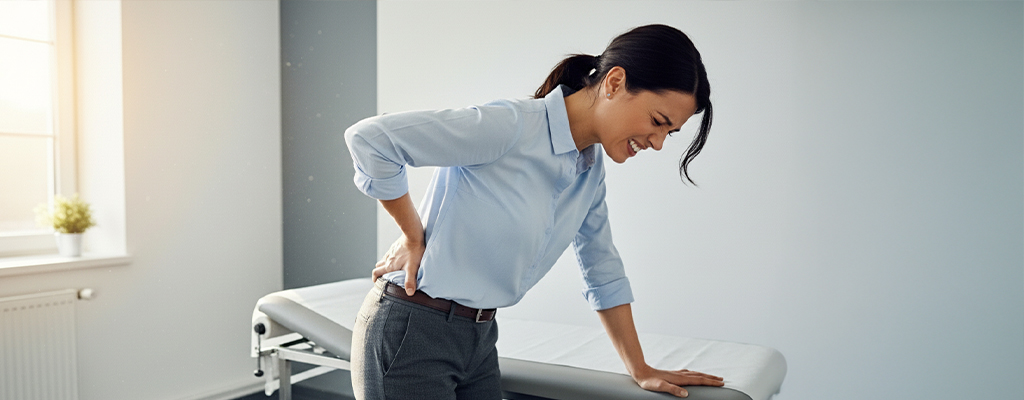
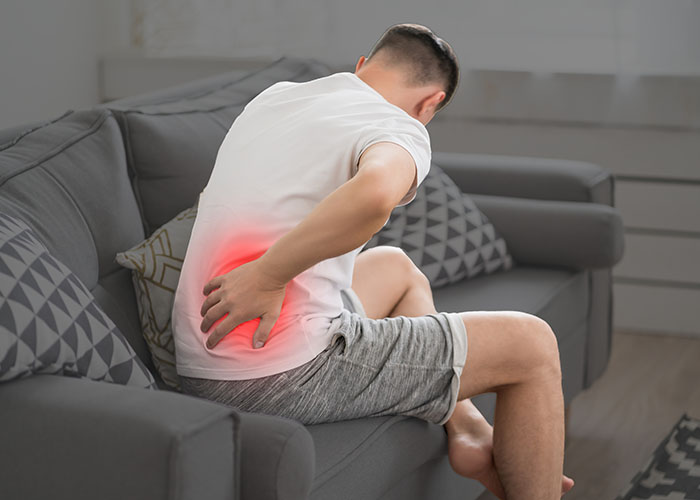
Frank’s pain was the worst he’d ever felt. It started in his lower back but then radiated down the back of his leg all the way to his toes. Sometimes, he felt numbness or tingling in his leg, which he found especially concerning. But worst of all, this radiating pain made it almost impossible for him to get around.
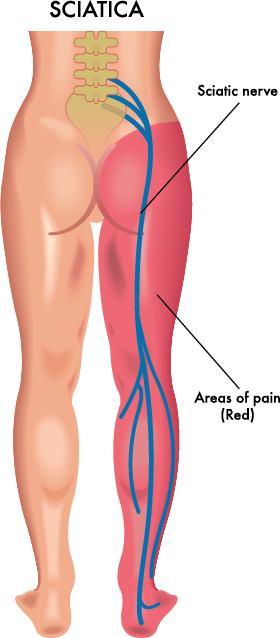
Eventually, Frank visited his physical therapist, where he learned this pain had a specific term: sciatica. Its name comes from the fact that it affects the sciatic nerve, which runs from the lower back down into the foot.
Frank also learned that his sciatica, like most people’s, came courtesy of a herniated disc in his lumbar spine. Fortunately, physical therapy is a frontline treatment for herniated discs, and with a month of regular PT sessions, Frank resolved his pain.
Are you experiencing radiating leg pain like Frank? If so, reach out to us at the Fitness Lab. We can help you know for certain if your pain is sciatica or another similar condition — and we can help you find relief with a customized treatment plan.
Call today to schedule your initial consultation!
What Is Sciatica? Symptoms and Causes
Sciatica is a somewhat misunderstood condition. Many people refer to any radiating pain in the back and legs as “sciatica.” In reality, sciatica only refers to pain that stems from pressure or irritation on the sciatic nerve.
Sciatica’s main symptom is pain that starts in the lower back, radiates into the buttocks, and then runs down the back of one leg into the foot, following the path of the affected sciatic nerve. Often, the leg pain will be worse than the back pain.
However, other symptoms often indicate sciatica, including the following:
- Muscle spasms in the back
- “Pins and needles” sensations in the leg and/or foot
- Numbness in the leg and/or foot
- Shooting or burning pain deep in the buttocks or legs
- Weakness in the affected leg
Sciatica occurs when the sciatic nerve is pinched, compressed, or irritated in some way. But what causes that nerve irritation in the first place?
For most people, as it was for Frank, the answer is a herniated disc. Your spinal vertebrae are cushioned and protected by flexible cartilage discs (spinal discs). If one of these discs bulges or ruptures so that it irritates or pinches the sciatic nerve, you’ll experience sciatica pain.
Other medical issues (such as a bone spur, inflammation related to pregnancy, or a tumor) can also cause sciatica, but these conditions are much more rare. If you have sciatica, the chances are good you have a herniated disc — and that’s something physical therapy can help resolve!
How Physical Therapy Can Help With Sciatic Pain
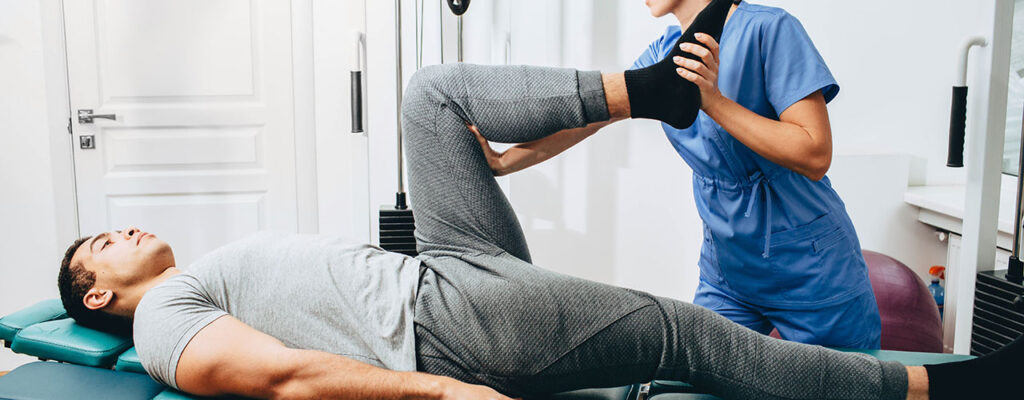
When treating a herniated disc (and, by extension, sciatica), our therapists will move through the following steps:
- Manage Pain: We’ll develop a plan to address your acute pain, pulling from several options. Gentle spinal mobilizations, soft tissue manipulation of your back muscles, and pain relieving modalities such as dry needling or hot and cold therapy can all help.
- Improve Mobility: Movement is crucial in addressing sciatica. Spinal mobilizations play an essential role here, allowing you to move the joint without exerting effort. We’ll also incorporate active stretches and mobility work to help ease range of motion restrictions and prepare your body for the next phase of treatment.
- Strengthen Your Back and Core: As your pain lessens, we’ll begin working to build strength in your core muscles, which stabilize and support your spine. By strengthening these muscles, you can alleviate the pressure on your lumbar spine that contributes to sciatic pain and a herniated disc.
- Educate to Prevent Future Pain: Finally, we can provide the tools to prevent a future bout of sciatica. We will help you develop a home exercise program to keep your spine healthy or show you how to properly lift heavy objects to avoid injury.

Find Sciatica Relief at the Fitness Lab
Sciatic pain can be incredibly intense and often debilitating. Regular physical therapy will help you resolve that pain — and the underlying cause — so you can get back to living a full, healthy life.
To get started with your own personalized sciatica treatment plan, call to schedule an appointment today!
Feta & Herb salmon

Immerse your taste buds in a crescendo of flavors as rich salmon meets the tangy embrace of feta and the aromatic touch of fresh herbs.
Ingredients
- 1 salmon fillet thawed
- 1/2 cup Feta Cheese
- 1/4 cup roughly chopped fresh parsley
- 2 Tbsp roughly chopped fresh chives
- Juice from half a lemon
- 1/8 tsp salt
- Pinch of pepper
Preheat your oven to 400 degrees. Line a baking sheet with parchment or foil for easy clean up. Combine parsley, chives, Feta, lemon, salt and pepper on cutting board. Run knife through the combination several times, chopping up all ingredients to mix. Spread combined ingredients on salmon fillet. Bake for 20 minutes or until cooked through. Serve!
Want to Ease Sciatic Pain?
GET MOVING!
While regular physical therapy at the Fitness Lab is the best way to resolve your sciatica, several simple at-home exercises can help resolve your pain as you work through your treatment plan. Our physical therapists will usually provide you with a personalized routine for your PT “homework.” The following are common exercises we might suggest and may help relieve pain between sessions. But make sure to check with your therapist before giving them a try!
Simple Exercises to Ease Sciatic Pain
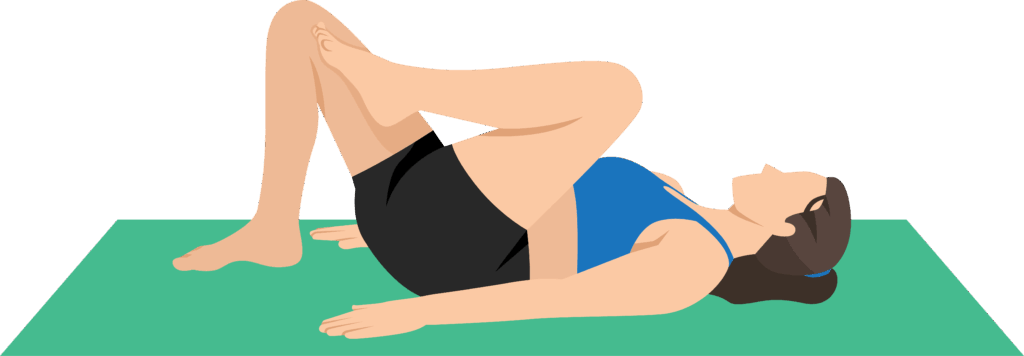
Supine Piriformis Stretch
- Lie on your back with your knees bent, pointed toward the ceiling.
- Rest the ankle of your affected leg against your other thigh, forming a “four” shape with your legs.
- Gently pull your crossed leg sideways across your body until you feel the stretch in your affected glute.
- Hold for 10-30 seconds and repeat on the other side if you wish!
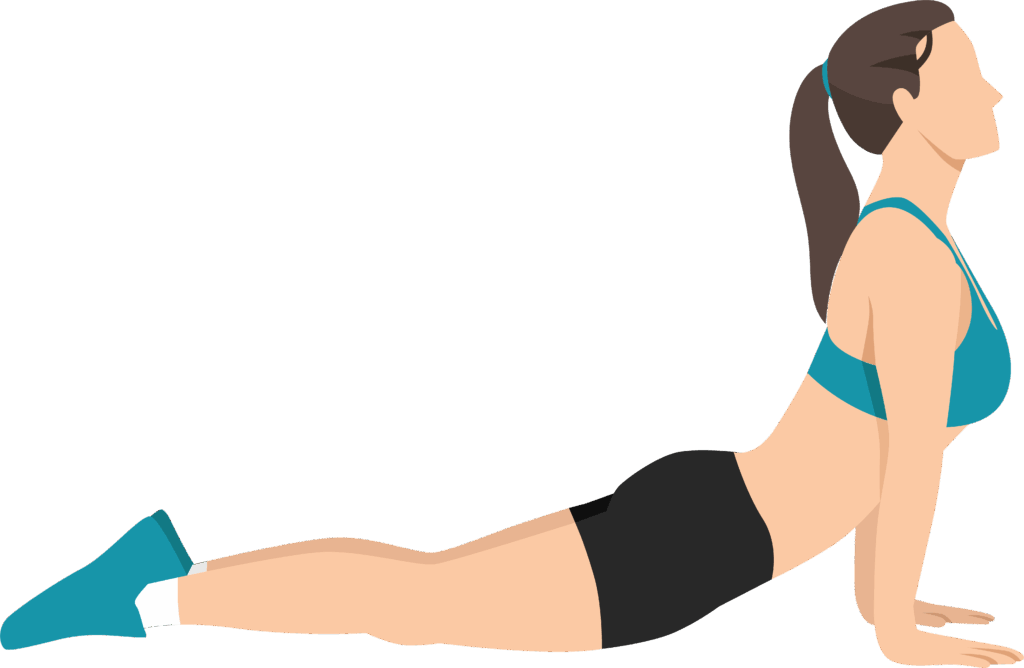
Cobra Stretch
- Lie down on your stomach with your hands on the floor in line with your shoulders and your elbows tucked into your body.
- Inhale and press into your palms to lift your head, chest, and shoulders off the ground. Don’t fully straighten your arms; make sure your chest stays lifted.
- Tighten your core muscles as you hold the stretch for 10-30 seconds.
- Gently lower back to the ground and repeat as needed.
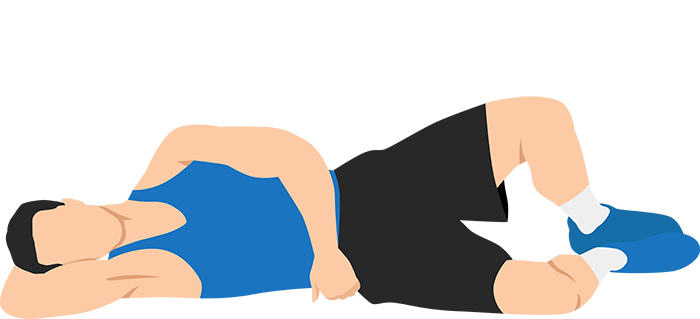
Clamshell
- Lie on one side with your knees slightly bent and your head resting on your bottom arm. You can press your top arm into the ground in front of you for support.
- Engage your core to help with stability.
- Keeping the feet together, gently lift your top knee so that your bent legs resemble the open mouth of a clam.
- Keep your torso still so you don’t roll backward.
- Hold for 5-10 seconds, then lower slowly. Complete as many clamshells as you’d like, but don’t forget to roll over and do the other side, too!
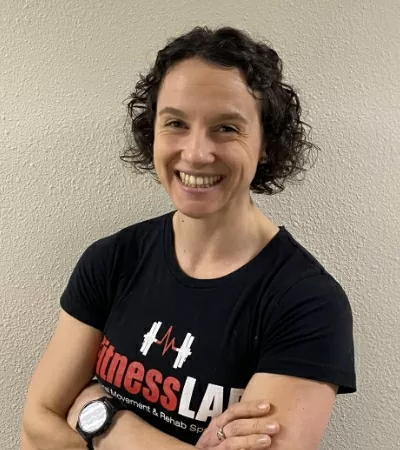
STAFF HIGHLIGHT
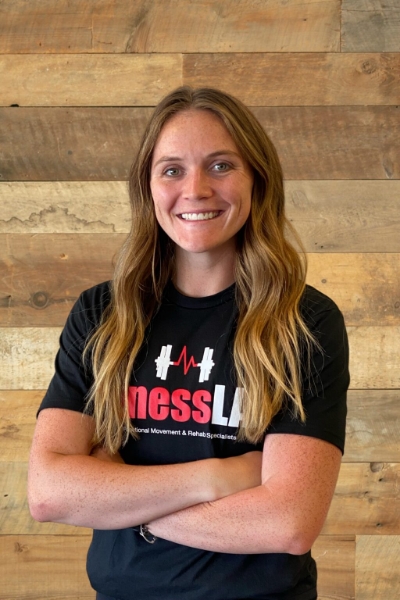
Dr. Marie Pollock, PT, DPT
Marie was first exposed to the world of physical therapy after enduring three ACL and meniscus tears and subsequent surgeries in high school. Because of this, she spent many hours in physical therapy clinics with the goal of returning to soccer each time. The knowledge, dedication, and support from her physical therapy and sports performance team not only helped her return to playing soccer, but allowed her to pursue her goal of playing at the collegiate level. This experience combined with Marie’s love for the human body and how it moves led her to pursue a career in physical therapy.
While playing soccer at Colorado Mesa University, Marie earned her degree in Exercise Science then went on to pursue her Doctorate of Physical Therapy at the University of Colorado Anschutz Medical Campus. Since graduating, Marie has worked at a variety of outpatient orthopedic and sports clinics where she has worked with athletes of all types from weekend warriors to college athletes, outdoor enthusiasts to occupational athletes (i.e. firefighters, police officers). She is passionate about using the combined approach of manual therapy + specific exercise prescription to get her patients back to doing what they love. She believes that movement is medicine and can be a powerful tool to improve quality of life.
Marie is a Colorado native who enjoys a variety of activities including CrossFit, hiking, running, soccer, and snowy adventures. In her free time, you can find her with family and close friends being outside, finding the yummiest brunch spots, cozying up for movie or game nights, or competing in community events (races, CrossFit competitions).
Meet Our Team
-

Dr. Bill Gregoire
Clinic Manager, PT, DPT -
Dr. Spencer Barnes
PT, DPT, OCS -
Dr. Alex Brateman
PT, DPT -
Dr. Alice M Davis
PT, DPT, OCS, FAAOMPT -
Dr. Allison Shane
PT, DPT, OCS, FAAOMPT -
Dianna Cole McNitt
PT, COMT -
Dr. Caroline Marnin
PT, DPT -
Dr. Colton Litle
PT, DPT -
Dr. Laike Damman
PT, DPT -
Dr. Connor Devin
PT, DPT