
Stand and Walk With Confidence And A Sure Step
September Newsletter
Do you ever feel unsteady on your feet? Have you noticed it’s getting harder to navigate stairs or uneven surfaces? Maybe you’ve even had a close call or two, and now you’re worried about falling.
Feeling nervous about falling is reasonable, especially if you’re older. Falls are one of the most common causes of injury and hospitalization among older adults, although they can impact younger people, particularly if they’re recovering from surgery or injury. Furthermore, balance challenges can dramatically impact your quality of life, making it tough to stay active and independent.
At The Fitness Lab, we understand your concern. However, we also want to make it clear that falls are not an inevitable part of aging! There are steps you can take to enhance your overall balance and stability, which can help keep you on your feet for years to come. Even better, you don’t have to do it alone. Our team of movement specialists is here to help.
Why Do We Need Balance And Stability?
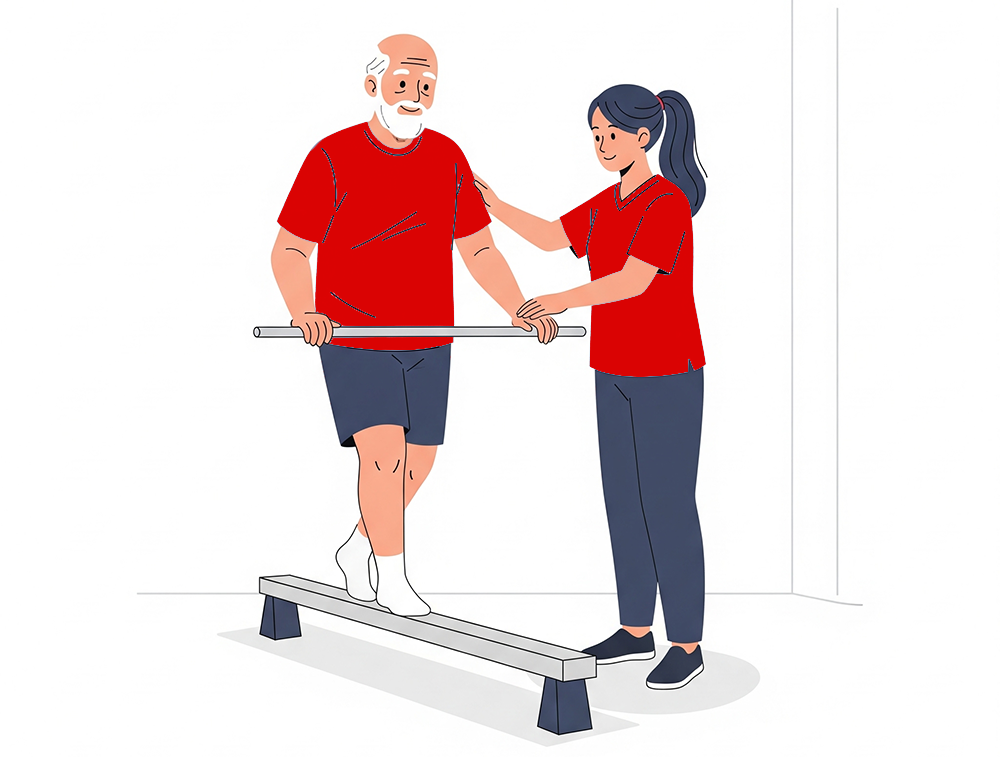
Firstly, balance and stability aren’t the same thing, although they are connected:
Balance is the ability to maintain your center of gravity over your base of support. Essentially, it means you can stay upright.
Stability is the ability to resist forces that threaten to disrupt balance, such as a bump in the sidewalk or a playful nudge from a grandchild.
To reduce your risk of falls, you want to enhance both of these factors. Standing on one foot might mean you have good balance, but if you have poor stability, it won’t necessarily protect you from falling.
How Do I Know If I Need to Work on Balance And Stability?
Many factors can contribute to balance and stability problems, including the following:
- Age-related decline in muscle strength, mobility, and reaction time
- A history of falls
- Medical conditions that affect mobility, such as arthritis
- Inner ear disorders (which often cause dizziness and vertigo)
- Neurological conditions like stroke or Parkinson’s disease
- Vision challenges
- Certain medications
Generally speaking, if you’re experiencing symptoms like feeling unsteady or dizzy, frequent falls or near falls, difficulty walking or turning, or needing to use furniture or walls for support, reach out to The Fitness Lab. We’ll help you develop a program that addresses your specific needs.
How Physical Therapy Helps Enhance Balance And Stability
Physical therapy addresses the underlying factors contributing to your balance or stability challenges. That’s why our team will also begin with a thorough evaluation to help us understand the reasons for your fall risk.
We’ll discuss your health history, evaluate your balance, strength, and movement patterns with a few simple movement screens, and learn more about your concerns. That way, we can blend various treatment techniques to create a unique, effective treatment program.
Some of these techniques might include:
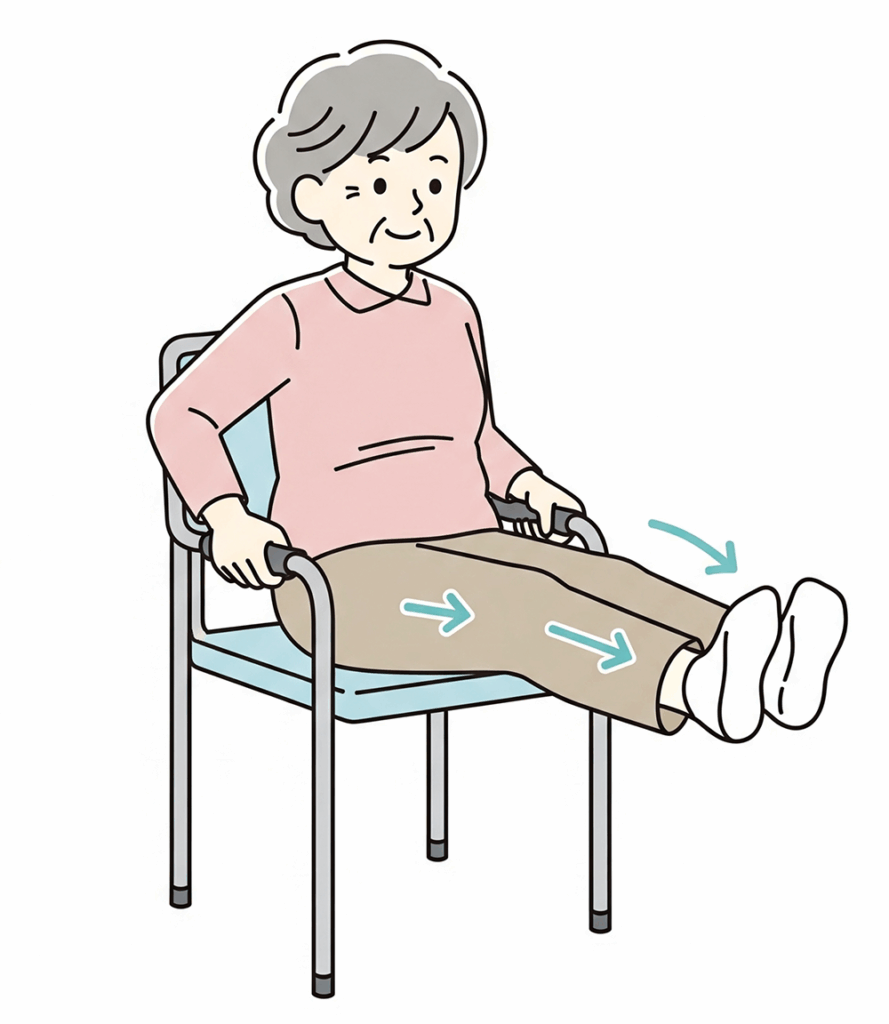
Strength Training
- Good core and lower body strength are essential for enhanced stability. A strong core, in particular, helps stabilize your body so you can stay on your feet.
Balance and Proprioceptive Training
- This technique focuses on improving your body’s awareness of its position in space. By challenging your balance with exercises on unstable surfaces or with your eyes closed, you can retrain your body to react more quickly and efficiently to changes in your environment.
Gait Training
- An impaired walking pattern can affect your balance and increase your risk of falling. If necessary, we’ll help correct these impairments with personalized, targeted exercises.
Vestibular Rehabilitation Therapy (VRT)
- If you’re struggling with vestibular dysfunction, we’ll guide you through specific exercises that retrain your brain to understand signals from your inner ear and improve balance.
Functional Activities
- We’ll teach you how to execute functional activities, like walking, turning your head while walking or standing, reaching for something on a shelf while standing, and carrying objects.
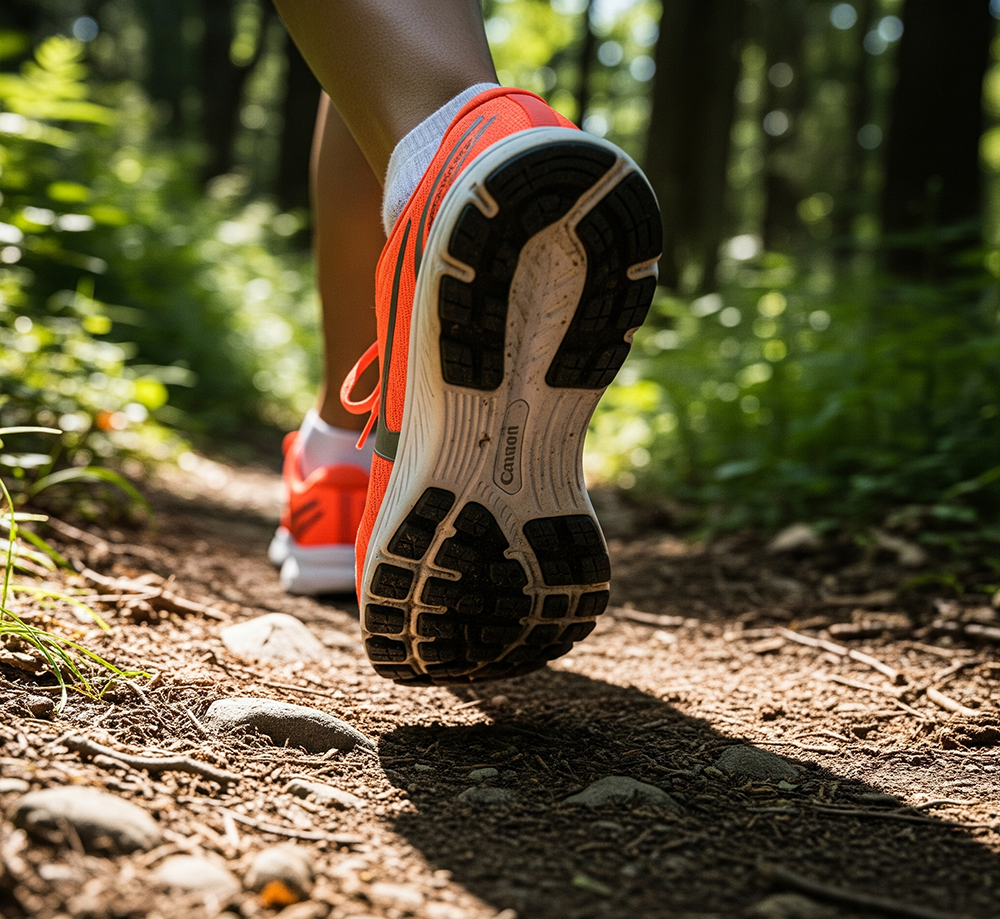
Take the First Step Towards Better Balance
Ready to take charge of your balance and regain your confidence?
The Fitness Lab team is here to help you achieve your goals.
Call us today to schedule your first appointment and take the first step towards a more stable and active future.
Patient Testimonial
“Being an avid cyclist for years, I was destroying my body with bad positioning. I was able to get a bike fit with Spencer in Highlands Ranch, and it was an incredible educational experience. He was very comprehensive and fun to work with. Not only did I get corrected on where I need to be, I also got some physical therapy exercises that will help with my problem. I wish I would have done this sooner.”
—Ryan D.
Service Spotlight
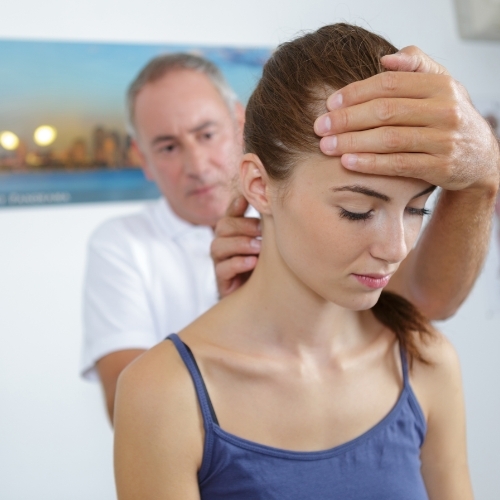
WHAT IS NEUROMUSCULAR
RE-EDUCATION?
Neuromuscular re-education (NME) is a therapeutic approach that focuses on retraining the nervous system to optimize communication with your muscles. Our body relies on a complex network of nerves that carry signals from the brain, instructing muscles how to move. Disruptions in this communication can occur due to injuries, illnesses, or neurological conditions, leading to movement dysfunction.
Benefits of Neuromuscular Re-Education
Improved Posture and Alignment – Proper posture and alignment are critical for preventing injuries and maintaining overall health. Neuromuscular re-education emphasizes
Enhanced Functional Mobility – Neuromuscular re-education enhances the communication between your brain and muscles for smoother movements. It improves motor control, balance, and proprioception. Patients can perform daily activities more easily and safely.
Pain Reduction – Neuromuscular re-education can help reduce pain by correcting movement patterns contributing to discomfort. Proper alignment and muscle use decrease strain on joints and tissues, alleviating pain.
Increased Strength and Endurance – Targeted exercises build muscle strength and endurance, allowing patients to regain physical capabilities and improve overall fitness levels.
Feeling Off-Balance? It Could Be These Vestibular Disorders

Balance challenges can develop for many reasons, including an underlying problem with your vestibular system. This is the part of your body responsible for spatial awareness and helping you maintain balance. It’s located in your cerebellum and inner ear and transmits information about your body positioning to your brain.
As you might expect, balance is one of the primary things affected when something goes wrong in your vestibular system. Fortunately, the team at The Fitness Lab can help you understand your symptoms and get the relief you need.
Three Common Vestibular Disorders You Should Know
Benign Paroxysmal Positional Vertigo (BPPV)
BPPV is one of the most common causes of vertigo, a spinning sensation. It occurs when tiny calcium crystals in the inner ear become dislodged, disrupting the function of the vestibular system. BPPV is often triggered by specific head movements, like tilting your head back or rolling over in bed.
Ménière’s Disease
Ménière’s disease is a chronic condition that causes fluid buildup in the inner ear. It’s characterized by episodes of vertigo, often accompanied by tinnitus (ringing in the ears), hearing loss, and a feeling of fullness in the ear.
Vestibular Neuritis
Vestibular neuritis is an inflammation of the vestibular nerve, which transmits signals from the inner ear to the brain. It’s often caused by a viral infection and typically results in the sudden onset of vertigo, dizziness, nausea, and difficulty with balance. Symptoms usually improve over time, but we can help speed up recovery and improve balance function.
Suspect Vestibular Dysfunction? We Can Help
If you think you may have a vestibular issue, schedule an appointment at The Fitness Lab. We’ll help you understand your condition so you can find relief!
Don’t let an injury hold you back; schedule an appointment with us today!
Exercise of the Month
Bridging
(Glutes, Lower Back, Hamstrings)
Begin on your back. Bend your knees and keep your back flat on the ground. Gently, contract your abdominals and hold to keep your back flat as you move up into the bridge position. Remember to breathe. Gently, squeeze your butt muscles and lift your hips off the ground. The goal is to have your hips aligned with your knees and shoulders. Hold for 5 seconds. 3 Sets, 10 Reps.

Healthy Chicken Quesadillas
Feel Better by Eating Better!
Healthy Chicken Quesadillas
- 2 tbsp low sodium chicken broth
- 1⁄4 cup onion, chopped
- 1 small garlic clove, minced
- 1⁄4 cup bell pepper, chopped
- 2 chili peppers, minced (to taste)
- 3 plum tomatoes, chopped
- 8 flour tortillas
- 1 cup low-fat cheddar cheese, shredded
- 1 1⁄2 cups cooked chicken, shredded
- scallion, cut on the bias (garnish)
- salsa (garnish)
- nonfat sour cream (garnish)
In a medium-heavy skillet, saute the onions, garlic and peppers until soft in the 2 tablespoons chicken broth. Add the chili peppers and tomatoes and simmer for a few minutes more until the liquid has evaporated. Add the chicken and stir well to combine. Spray a cold skillet with the nonstick spray and heat over medium heat. Place a tortilla in the pan and sprinkle with 1/8 cup cheese. Add about a quarter of the chicken mixture and top with another 1/8 cup cheese. Cover with another tortilla and cook for two to three minutes or until golden brown. Flip the quesadilla over and cook for an additional two minutes. Remove from the heat and cut into edges. Keep warm while frying the remaining quesadillas. Serve with salsa, scallions, and fat-free sour cream.
Where Fitness Meets the Mat: Lōgōs Jiu Jitsu Academy
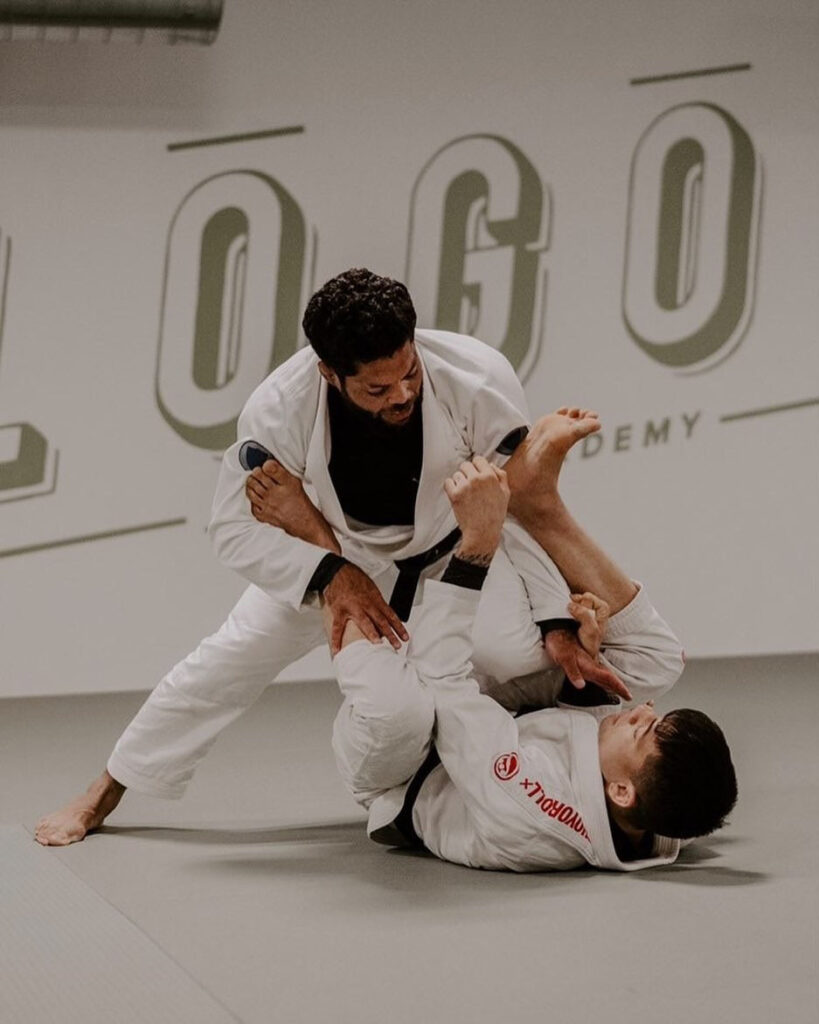
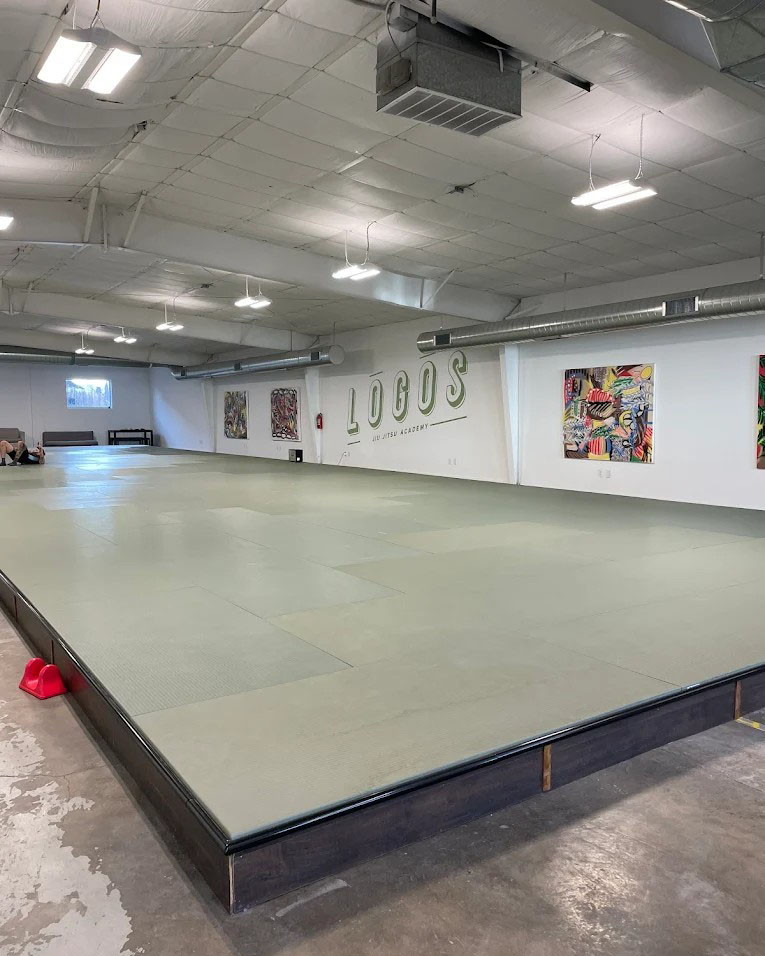

We’re proud to highlight our long-time partner, Logos Jiu Jitsu, Denver’s premier Jiu Jitsu gym. Logos is known for its commitment to safe and fun training, welcoming individuals of all ages and skill levels. If you’re new to the sport or curious to try it out, Logos offers free introductory classes to help you get started.
Over the years, Fitness LAB has worked closely with the Logos team to help keep their athletes healthy and performing at their best. When it comes to Jiu Jitsu expertise, Logos is our top recommendation.
Ready to give it a try? Visit logosjiujitsu.com or reach out directly:
📍 3440 Brighton Blvd, Denver, CO 80216
📞 619.306.7089
➡️ LogosJiuJitsuDenver@gmail.com
Meet Our Team
-

Dr. Alice M Davis
PT, DPT, OCS, FAAOMPT -
Matt Oster
MS, NKT, MEP -
Dr. Bill Gregoire
Clinic Manager, PT, DPT -
Dr. Alex Brateman
PT, DPT -
Dr. Connor Devin
PT, DPT