
Having Surgery?
Bounce Back Faster With Pre- and Post-Rehab
October Newsletter

If you’re scheduled for an orthopedic surgery (such as a total joint replacement or an ACL repair), you probably already know you’ll need to undergo rehabilitation afterward with a physical therapist. But have you considered working with a PT before your surgery, too?
Pre-rehabilitation, sometimes called “prehab,” is a little less common than rehab, but it’s still an important part of the surgical process. Together, a structured pre- and post-surgical physical therapy program can help you maximize the benefits of your surgery.
We offer pre- and post-rehab here at The Fitness Lab, and today, we want to explore both programs in detail. And if you’d like more personalized guidance, just contact our clinic to speak to our friendly staff!
What You Need to Know About Pre-Op Physical Therapy
Surgery can be incredibly tough on the human body. It’s a highly invasive procedure that brings with it a host of complications, such as blood clots, post-surgical pain, and more.
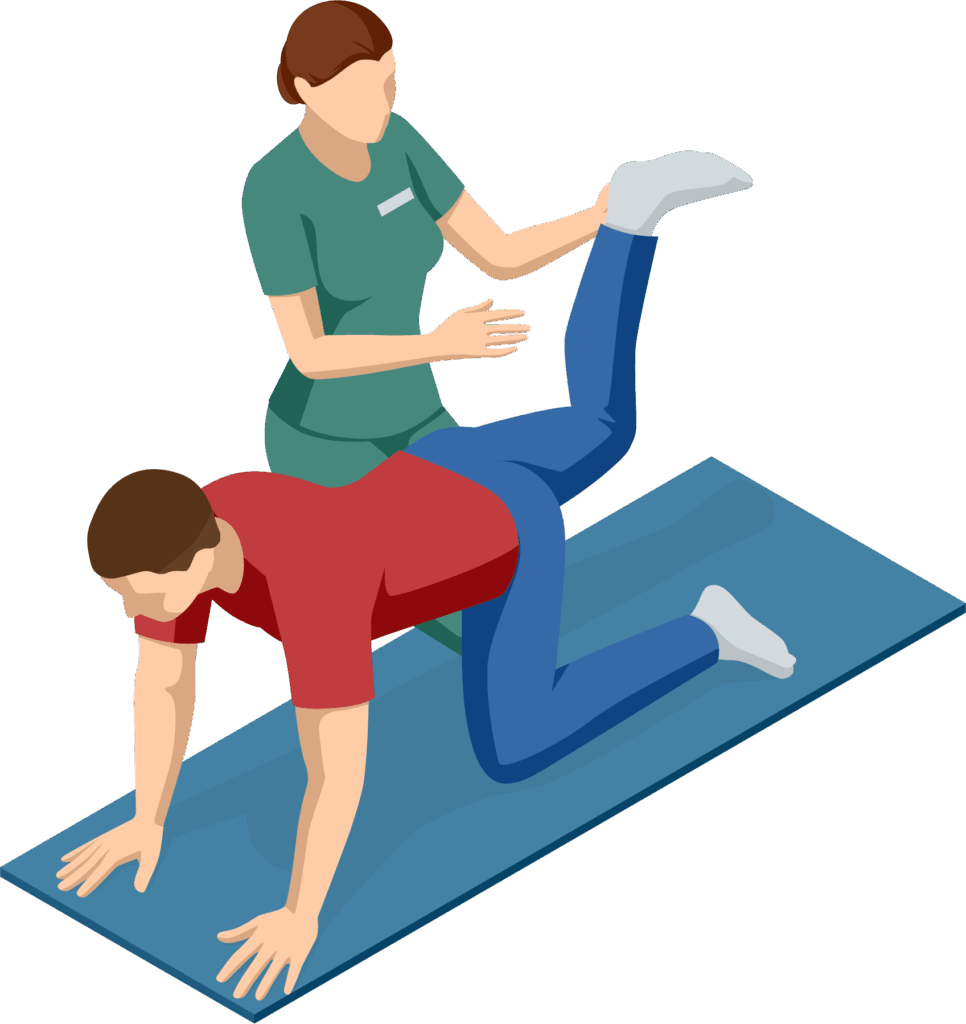
Standard rehabilitation works to minimize these risks after the fact. However, prehab takes a proactive approach, allowing you to improve strength, fitness, and pain levels before you have your procedure.
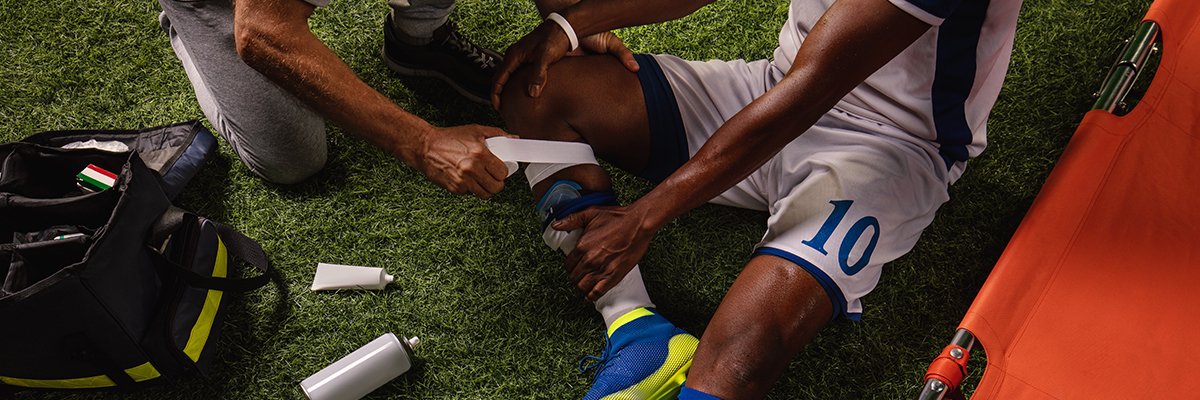
Think of it this way: No athlete goes into a big game unprepared. They spend time training to ensure their strength, endurance, and performance are the best they can possibly be. Prehab is the same way–you’re preparing your body for the “big game” of surgery.
What Are Some Benefits of Prehab?
- Improves strength and mobility, making surgery and recovery easier
- Reduces pain and swelling before surgery
- May help shorten hospital stays and overall recovery times
- Decreases the risk of complications
- Helps you understand what to expect after surgery, reducing anxiety
What Can I Expect During Prehab?
- An initial evaluation in which one of our physical therapists assesses your strength, range of motion, balance, and pain level
- Various pain management techniques, including manual therapy, ice/heat, or electrical stimulation, to help reduce discomfort
- A therapeutic exercise program consisting of specific exercises to target weak or stiff areas, improve circulation, and support surrounding joints
- Personalized endurance training consisting of low-impact cardiovascular activities to increase overall stamina
- A detailed overview of what you can expect after your surgery, including training on mobility aids and rehab exercises
What You Need to Know About Post-Op Rehabilitation
Most orthopedic surgeries aim to correct whatever dysfunction is causing pain (for example, replacing an arthritic joint with a prosthesis). The results can be life-changing, but they don’t occur overnight. It takes time to restore your body to its optimal strength, mobility, and function. That’s what post-surgical rehabilitation focuses on. A structured physical therapy program helps you recover from the surgery itself and work to get back to the activities that matter most to you.
What Are Some Benefits of Rehab?
- Reduces pain and inflammation
- Improves range of motion and overall mobility
- Strengthens muscles and improves overall function
- Helps you regain independence and return to your daily activities
- Lowers the risk of long-term complications, such as chronic pain
What Can I Expect During Rehab?
- Functional training that helps you relearn everyday movements like standing, walking, or climbing stairsrs. Standing on one foot might mean you have good balance, but if you have poor stability, it won’t necessarily protect you from falling.
- Techniques to help manage acute pain and swelling, such as ice, compression, manual therapy, and assisted stretches
- Guided mobility work to help restore movement in the affected joint or area without stressing healing tissues
- Scar tissue management using hands-on therapy or tools to reduce the risk of long-term pain or stiffness
- Targeted, progressive strengthening exercises to rebuild muscle at an appropriate pace
- Balance or gait training to help restore stability in surgeries that affect your movement patterns

Enjoy a Pain-Free Life This Fall
As leaves change and the air turns crisp, ensure back pain doesn’t cast a shadow on your fall festivities. Enjoy the season’s beauty without the burden of back pain. Our personalized treatments are tailored to your specific needs to ensure you get the results you deserve.
The perfect plan to conquer back pain includes the following:
- Effective treatments to eliminate pain and prevent future episodes.
- Personalized plans to restore your mobility and build your strength.
- Tips to enjoy family and friends without worrying about your back.
Take a step towards a pain-free life—connect with The Fitness Lab today, and we’ll help you get back to doing what you love this fall!

Going Into Surgery? The FITNESS LAB Is Here to Help!
If you have surgery scheduled, now’s the time to contact our clinic and learn more about how our pre- and post-op rehabilitation programs can help you make the most of your procedure.
Remember, your recovery starts before you ever head into the operating room. Schedule an appointment with us today to get started.
Patient Testimonial
“Fitness Lab is great! Overall, the staff is friendly and the gym has all the equipment you would ever need in a strength training gym. I had knee surgery 8 months ago and have had weekly PT sessions with Colton. The program he has had me follow has been very effective at regaining strength and mobility so I can finally adventure again! I went a few extra months just so I could get my strength back to almost 100% …. It has been worth it, thanks again! Definitely recommend :)”
—C. P.
Service Spotlight
Selective Functional Movement Assessment (SFMA)
One of the biggest benefits of physical therapy at The Fitness Lab is that we work to uncover and address the true source of your pain and dysfunction. This helps resolve the underlying issue so you can get lasting relief.
And how do we work out the source of your pain? Through our selective functional movement assessment (SFMA). Rather than merely looking at the area that hurts, the SFMA examines how your body moves as a whole. This comprehensive approach allows us to identify movement problems that may contribute to pain, stiffness, or repeated injury.
What an SFMA Session Involves
During your session, one of our physical therapists will guide you through a series of movements, such as bending, squatting, and reaching. These motions will reveal where your body is compensating or moving poorly, allowing us to identify weak points in your systems and develop a personalized treatment program to address them.
How an SFMA Helps You
- It provides an accurate diagnosis and identifies dysfunctional patterns that standard exams often miss.
- It allows us to better target your treatment program to address the underlying cause of your dysfunction, rather than the symptoms.
- It reduces the risk of re-injury by improving movement quality.
- It takes a whole-body approach, integrating strength, mobility, balance, and coordination.
Who Can Benefit?
While anyone can benefit from the whole-person view provided by an SFMA, it’s especially helpful for:
- People with recurring pain
- Athletes seeking performance improvements
- Anyone recovering from an injury

Call Today To Learn More
With an SFMA, you receive precise, individualized care that improves how your body moves, feels, and performs. Contact The Fitness Lab to get started.
Mental and Emotional Preparation for Surgery

Calming The Mind, Easing The Journey
Even when it’s planned and necessary, surgery can trigger a range of emotions. Anxiety, fear, and uncertainty are common companions on the path to the operating room. Acknowledging and addressing the mental and emotional aspects of surgery can significantly impact your overall experience and recovery.
The Emotional Landscape Of Surgery
It’s perfectly normal to feel anxious about the unknowns of surgery. Concerns about the procedure itself, potential complications, pain management, and the impact on daily life are valid. It’s essential to recognize and accept these feelings rather than suppress them. Pre-hab appointments with our physical therapist can provide a safe space to express your concerns and gain reassurance.
Several techniques can help calm your mind and foster emotional resilience before surgery:
- Addressing Fears and Concerns: By openly discussing patients’ anxieties and concerns, physical therapists can help alleviate fears and misconceptions.
- Setting Realistic Expectations: Providing realistic expectations about recovery timelines and potential challenges can help patients manage their emotions.
- Pain Management Strategies: Our PTs can provide strategies for managing pain during and after surgery, reducing anxiety about the recovery process.
- Trust and Rapport: A strong therapeutic relationship can provide patients with a sense of support and understanding, helping them feel more comfortable and less anxious.
- Emotional Support: We can offer emotional support and encouragement, helping patients cope with the psychological challenges of surgery.
- Education: Gathering reliable information about the procedure, recovery process, and pain management options can alleviate anxiety and empower you to make informed decisions.
The Power of a Prepared Mind
Addressing mental and emotional well-being before surgery can yield numerous benefits:
- Reduced Anxiety and Stress: Calming techniques can lower stress levels, promoting a more relaxed state before, during, and after surgery.
- Faster Recovery: A prepared and positive mindset and reduced stress can contribute to a smoother and faster recovery process.
- Enhanced Coping Skills: Developing emotional resilience and setting expectations can equip you with valuable tools to navigate challenges that may arise during recovery.
Contact us today and start prioritizing mental preparation alongside physical readiness so you can approach surgery with greater confidence.
Exercise of the Month
Hamstring Stretch
(Hamstrings, Low Back)
Sit on the floor with legs extended straight in front of you. Loop an exercise band around the ball of your foot and gently pull back on the band while keeping your back straight. You should feel a stretch in the back of your thigh. Hold, then switch sides. 3 Sets, 30-Second Hold (each leg). (Materials needed: exercise band, floor mat)

Pineapple Green Smoothie
- 1/2 cup unsweetened almond milk
- 1/3 cup nonfat plain Greek yogurt
- 1 cup baby spinach
- 1 cup frozen banana slices
- 1/2 cup frozen pineapple chunks
- 1 tablespoon chia seeds
- 1-2 teaspoons pure maple syrup or honey (optional)
Add almond milk and yogurt to a blender, then add spinach, banana, pineapple, chia seeds, and sweetener (if using); blend until smooth.
Where Fitness Meets the Mat: Lōgōs Jiu Jitsu Academy

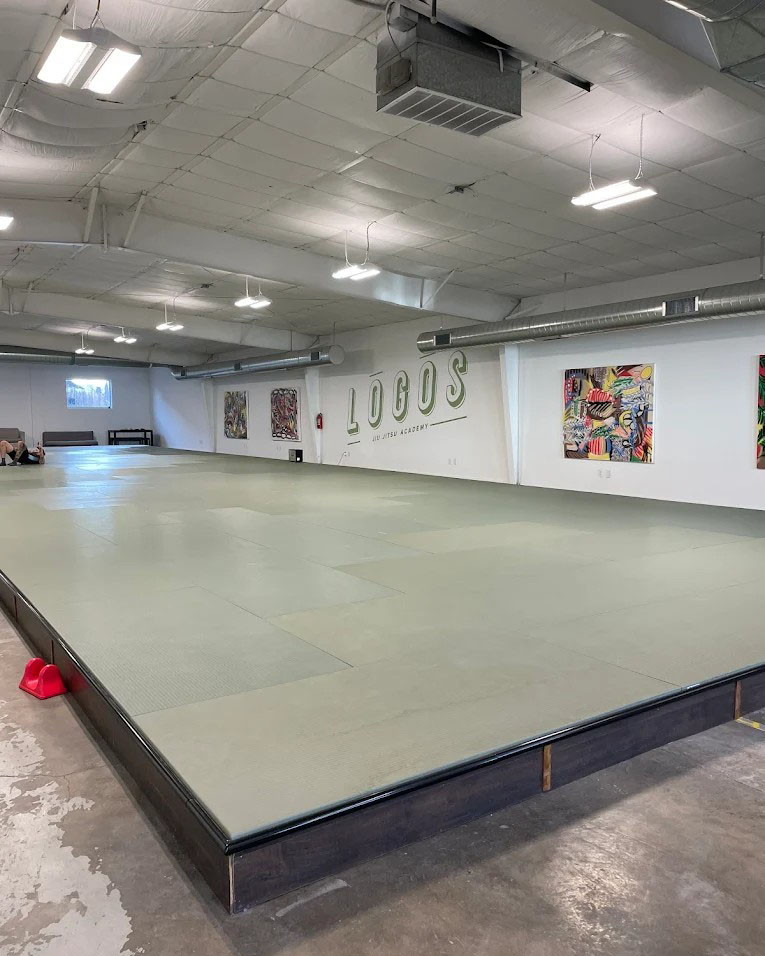

We’re proud to highlight our long-time partner, Logos Jiu Jitsu, Denver’s premier Jiu Jitsu gym. Logos is known for its commitment to safe and fun training, welcoming individuals of all ages and skill levels. If you’re new to the sport or curious to try it out, Logos offers free introductory classes to help you get started.
Over the years, Fitness LAB has worked closely with the Logos team to help keep their athletes healthy and performing at their best. When it comes to Jiu Jitsu expertise, Logos is our top recommendation.
Ready to give it a try? Visit logosjiujitsu.com or reach out directly:
📍 3440 Brighton Blvd, Denver, CO 80216
📞 619.306.7089
➡️ LogosJiuJitsuDenver@gmail.com
Meet Our Team
-

Dr. Alice M Davis
PT, DPT, OCS, FAAOMPT -
Matt Oster
MS, NKT, MEP -
Dr. Bill Gregoire
Clinic Manager, PT, DPT -
Dr. Alex Brateman
PT, DPT -
Dr. Connor Devin
PT, DPT