

Proven Methods For Preventing Running-Related Injuries
May Newsletter

Are you confused by all the information out there on how to prevent running-related injuries? Have you heard you should stretch and then heard you don’t need to stretch a few weeks later? What really works?
At the Fitness Lab, our physical therapists are known for their results when it comes to running-related injuries!
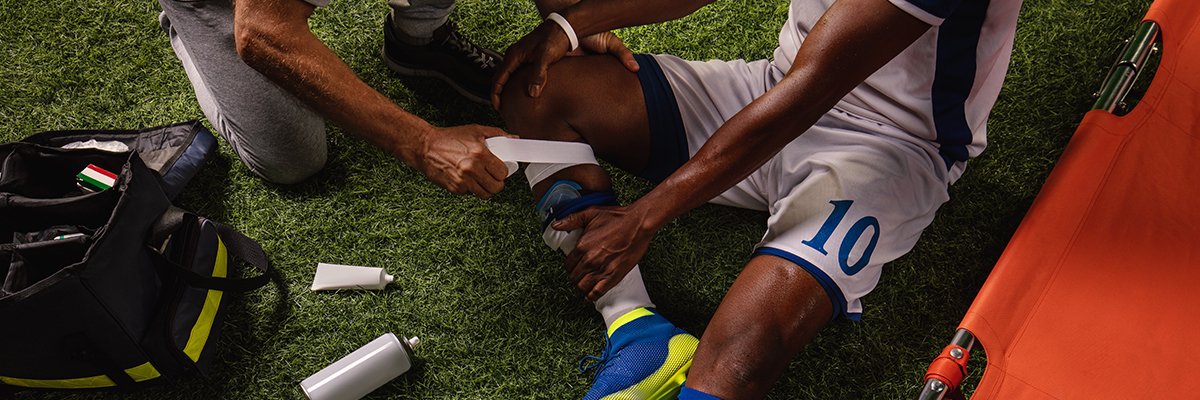
Running is one of the most popular forms of exercise for overall health and wellness. Unfortunately, it is also one of the most significant sources of injuries, particularly to the lower extremities.
To minimize the risk of injury, runners should take preventative measures to ensure running the most safely and effectively possible. Our physical therapists stay up-to-date on the most advanced strategies based on results to ensure your recovery quickly and completely!
Call today to request an appointment with one of our running specialists!
What Really Works?
One of the most important preventative measures runners can take is to engage in a proper warm-up and cool-down routines. A proper warm-up can help to increase blood flow to the muscles, which can help to reduce the risk of injury.
Studies have found that a warm-up consisting of dynamic stretches, such as leg swings, butt kicks, and high knees, can help to reduce the risk of injury in runners. The exact protocol is not the main point. The key is to simulate the movements, as closely as possible, that you are about to perform. Sustained stretches are generally safe but may inhibit performance and should be avoided if your goal is speed or power.
Another important preventative measure is to engage in regular strength training and conditioning exercises. This can help improve overall muscle and joint function, reducing the risk of injury.
Multiple studies have found that a strength training program, including exercises such as squats, lunges, and calf raises, can help to reduce the risk of injury in runners. When possible, performing single-leg strength exercises are particularly beneficial.
Single-leg exercises help improve balance and proprioception and eliminate compensations that your body subconsciously does to avoid a weak area. This can include exercises such as single-leg deadlifts, step-ups, and split squats.
Our physical therapists recommend runners include exercises that address the hip and core muscles, as these muscles play a critical role in stability and movement during running. This can consist of exercises such as the side plank, bird dog, and dead bug.
Additionally, runners will ideally use proper running form and technique. Our therapists can assess your mechanics to ensure you are maintaining a natural (neutral) spine position, landing on the midfoot (ideally), and keeping the shoulders and arms relaxed.
Finally, choosing the proper footwear can help minimize the risk of injury. Recent studies have shown that more cushioning minimizes injuries in new runners, and having proper support and fitting can reduce risks at all levels of runners. This is a far more complicated area, and getting proper guidance is critical.

What to Expect at Your Fitness Lab Sessions
At the Fitness Lab, our physical therapists will conduct a thorough evaluation that includes a biomechanical assessment of your body’s movement ability. We combine this information with a walking and/or running gait analysis to identify factors contributing to your issues.
We combine these findings with your personal health history, shoe history, and whatever injury you have (or had) to provide you with a detailed recommendation. Our goal is to evaluate all the different factors contributing to pain and/or injury to ensure we are designing a program that addresses each limitation, restriction, or weakness you may have.
Our therapeutic interventions include targeted manual techniques, mobility work, strengthening exercises, and appropriate balance and coordination techniques to resolve your pain, improve your gait and restore your overall function.
Our team will work with you to help you avoid errors in training judgment and manage appropriate strategies to ensure results. No matter what type of injury you’re dealing with, our team can assess your body, guide you back to health, and give you the tools to prevent future injuries!

Request An Appointment Today!
It’s important for runners to listen to their bodies and pay attention to any signs of pain or discomfort. If runners experience any pain or discomfort, they should take a break from running and schedule an appointment with our running specialists at the Fitness Lab!
Contact us today so you can resolve any injury and get back to running pain-free!
Patient Testimonials
“Matt and his team are great! I came to Fitness Lab to be able to stay active without pain and I am stronger and feeling better! They keep me going and being able to do the Colorado sports that I love. Highly recommend!”
—Ashley S.
“I have been going to Fitness Lab for the past 5 years for a variety of pains and injuries. The physical therapy team is highly professional and has helped me to fix every problem I’ve had. Last year I started using their personal training, which is tailored to my very specific needs. I’ve never felt better!”
—Doug F.
Selective Functional Movement Assessment (SFMA)
Unlock Pain-Free Movement with SFMA at The Fitness Lab
Are you struggling with musculoskeletal pain that limits your movement and daily activities? The Selective Functional Movement Assessment (SFMA) may be the key to unlocking better mobility and a pain-free lifestyle.
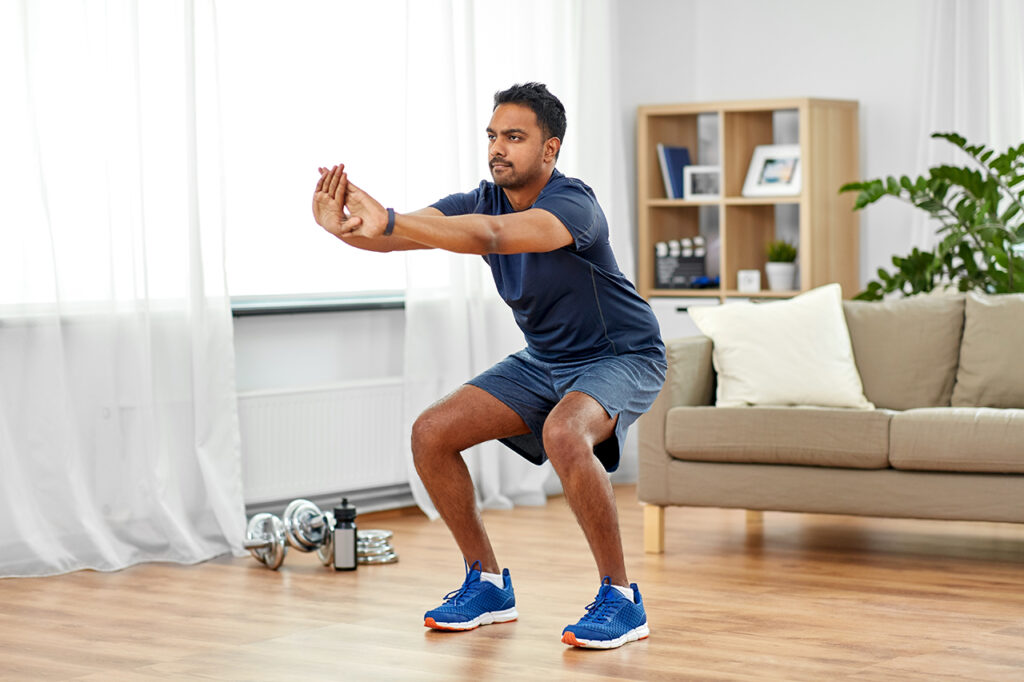
SFMA is a comprehensive series of seven full-body movement tests designed to assess fundamental movement patterns such as bending, squatting, and reaching. Unlike traditional pain-focused assessments, SFMA takes a broader approach by analyzing how different parts of the body work together — an essential concept known as Regional Interdependence. This approach helps identify underlying dysfunctions that may not seem directly related to your primary complaint but could be contributing to your discomfort.
By focusing on the most dysfunctional yet non-painful movement pattern, SFMA enables clinicians to develop targeted interventions, including manual therapy and therapeutic exercises, without being hindered by pain. This method enhances posture, muscle balance, range of motion, motor control, and overall functional strength — essential components for pain-free movement and improved performance in daily activities.
At the Fitness Lab, we incorporate SFMA as a foundational tool in our patient evaluations. If a dysfunctional movement pattern is identified, our expert therapists develop a personalized corrective exercise program, often complemented by manual therapy to restore mobility, strength, and balance. Our goal is to help you move better, feel better, and get back to the activities you love — pain-free.
Ready to take the first step toward pain-free movement? Schedule a Selective Functional Movement Assessment with our skilled therapists at the Fitness Lab. Contact us today to set up your consultation and start your journey toward optimal movement and function!

Feel Better by Eating Better!
Stir-Fry Rice Bowl
Looking for a quick, healthy, and satisfying meal? This Stir-Fry Rice Bowl is packed with fresh vegetables, warm brown rice, and a perfectly poached egg for a deliciously balanced dish. This meal is both comforting and nutritious — perfect for a busy weeknight dinner!
Try it out and enjoy a wholesome, homemade meal.
In a large skillet, heat canola oil over medium-high heat. Add carrots, zucchini and mushrooms; cook and stir for 3-5 minutes or until carrots are crisp-tender. Add bean sprouts, spinach, water, soy sauce and chili sauce; cook and stir just until spinach is wilted. Remove from heat; keep warm.
Place 2-3 in. water in a large skillet with a high side. Bring to a boil; adjust heat to maintain a gentle simmer. Break cold eggs, 1 at a time, into a small bowl; holding bowl close to surface of water, slip egg into water.
Cook, uncovered, 3-5 minutes or until the egg whites are completely set and the yolks begin to thicken but are not hard. Using a slotted spoon, lift eggs out of water.
Serve rice in bowls; top with vegetables. Drizzle with sesame oil. Top each serving with a poached egg.
Ingredients
- 1 tablespoon canola oil
- 2 medium carrots, julienned
- 1 medium zucchini, julienned
- 1/2 cup sliced baby portobello mushrooms
- 1 cup bean sprouts
- 1 cup fresh baby spinach
- 1 tablespoon water
- 1 tablespoon reduced-sodium soy sauce
- 1 tablespoon chili garlic sauce
- 4 large eggs
- 3 cups hot cooked brown rice
- 1 teaspoon sesame oil
Physical Therapy Tip of the Month

How To Have a Great Summer – PT Style!
The days are getting longer, the air is getting warmer, and school is winding down. That means one thing: summer is on its way! Here are some tips to ensure a healthy summer for you and your family:
- Drink plenty of water. While you should strive to stay hydrated all year round, it’s particularly important in warmer weather.
- Ease back into summer activities gradually: Whether you’re hitting the pool more frequently or taking more evening walks thanks to the later sunsets, avoid doing too much too soon. Start slow, don’t push too hard, and remember to warm up first.
- Don’t skip your PT sessions. We know summer’s busy. But keeping up with your physical therapy will help you stay active and pain-free throughout the season – and beyond!
Ready to make the most of the summer months? Schedule an appointment with the Fitness Lab today!

Debunking the Myth That Running Causes Osteoarthritis
Osteoarthritis (OA) is a degenerative joint disease characterized by the breakdown of cartilage in the joints, leading to pain, stiffness, and impaired mobility. While there is a common misconception that running contributes to the development of OA, numerous studies have shown this to be a myth.
Running has various health benefits, including improved cardiovascular fitness and weight management, which support joint health. In addition, movement, including running, helps keep the cartilage in the knee healthy.
Research has highlighted other factors that are contributors to the development of knee OA:
- Age: Aging is the most significant risk factor for OA. As individuals age, the cartilage in their joints naturally undergoes wear and tear, making them more susceptible to degeneration.
- Genetics: Genetic factors play a crucial role in determining an individual’s susceptibility to OA. Certain genetic variations have been associated with an increased risk of developing OA in various joints, including the knee.
- Previous joint injuries: Previous knee injuries, such as ligament or meniscus tears, can predispose individuals to OA later in life. The trauma from these injuries can accelerate the degenerative process in the affected joint.
- Obesity: Excess body weight places additional stress on the knee joints, leading to accelerated cartilage breakdown and an increased risk of developing OA. Maintaining a healthy weight through regular exercise and a balanced diet can help reduce the risk of OA.
- Joint misalignment or instability: Abnormalities in joint structure or function, such as malalignment or instability, can lead to uneven distribution of forces within the knee joint, contributing to cartilage degeneration and OA development.
The bottom line is that running does not cause knee OA. At the Fitness Lab, our therapists understand the risk factors associated with knee arthritis and will provide programs to preserve your joint health and reduce the burden of OA so you can keep running!

STAFF HIGHLIGHT
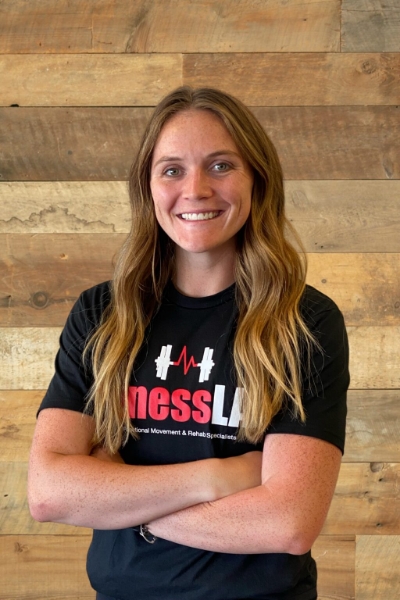
Dr. Kaitlyn Dobbertin
PT, DPT, CSCS
Kaitlyn attended Nazareth University for her undergraduate and graduate degrees earning a Bachelor of Science in Health and Human Services and a Bachelor of Arts in Psychology in 2021 followed by her Doctorate in Physical Therapy in 2023. After completing her doctorate, Kaitlyn continued her studies completing a Sports Residency at the University of Rochester Medical Center. During her residency year, she assisted an athletic trainer in coverage of high school sporting events, triaging athletes in the training room, and treating athletes of all ages on and off the field.
Outside of her sports residency, Kaitlyn has dedicated time to broadening her skill set and improving her ability to treat patients to the best of her ability. She is a Certified Strength and Conditioning Specialist and takes a fitness-forward approach to physical therapy, ensuring that every patient has tools to manage their condition outside of physical therapy. Her advanced training has also included the Gray Institute’s Certification of Applied Functional Science and Certified Running Analyst.
Being active in sports was mainly why Kaitlyn fell into physical therapy. As a former collegiate track and field and cross-country athlete, she has experienced many injuries that sidelined her from competing. She enjoys treating athletes of all ages and sports to help them return to the field, court, or trail.
When not treating in the clinic, Kaitlyn enjoys running, hiking, weightlifting, reading, playing board games with friends, and participating in triathlons and running races.
Education Background:
- Doctorate in Physical Therapy – Nazareth University 2023
- Bachelors of Science in Health and Human Services – Nazareth University 2021
- Bachelors of Science in Psychology – Nazareth University 2021
Certifications:
- Certified Running Analyst
- Certification of Applied Functional Science (CAFS)
- Certified Strength and Conditioning Specialist (CSCS)
Specializing in:
- Sports Medicine
- Orthopedic Rehabilitation
- Strength and Conditioning
- Chronic and Overuse Injuries
- Pre and Post Surgical Rehabilitation
- Manual therapy
Meet Our Team
-

Dr. Bill Gregoire
Clinic Manager, PT, DPT -
Dr. Spencer Barnes
PT, DPT, OCS -
Dr. Alex Brateman
PT, DPT -
Dr. Alice M Davis
PT, DPT, OCS, FAAOMPT -
Dr. Allison Shane
PT, DPT, OCS, FAAOMPT -
Dianna Cole McNitt
PT, COMT -
Dr. Caroline Marnin
PT, DPT -
Dr. Colton Litle
PT, DPT -
Dr. Laike Damman
PT, DPT -
Dr. Connor Devin
PT, DPT