

Unfreeze Your Shoulder; Reclaim Your Active Life
How Physical Therapy Can Help You Manage Frozen Shoulder
July Newsletter

We recently worked with a patient who came to us after struggling with shoulder pain for several months. While she hoped it would go away on its own, it only got worse over time. When she visited us, she was also struggling to lift her shoulder overhead or reach behind her back.
This patient had developed adhesive capsulitis, more commonly known as frozen shoulder. It gets that name from the fact that the condition causes the shoulder to “freeze up” after a period of intense pain.
A frozen shoulder will eventually “unfreeze,” but that process can take anywhere from 1-3 years. Fortunately, the team at the Fitness Lab can help you manage your symptoms and facilitate a more efficient recovery.
What Causes Frozen Shoulder?
The condition develops when the capsule of connective tissue that wraps around your shoulder thickens and tightens, restricting the joint. However, researchers aren’t entirely clear why this happens. Certain factors can increase your risk:
- Being a woman between the age of 40 and 60 years old
- Having certain diseases, including diabetes, thyroid conditions, or cardiovascular disease
- Immobilizing your shoulder after an injury or surgery.
Understanding the Three Phases of Frozen Shoulder
One reason frozen shoulder recovery can take so long is that the condition progresses through three distinct phases, each with its own set of symptoms and concerns. Here’s what you need to know about each one:
Freezing Phase
This initial stage is marked by increasing pain and stiffness in the shoulder. During this phase, we focus on maintaining your shoulder’s range of motion to help reduce stiffness and improve comfort.
Duration
Anywhere from six weeks to nine months
Symptoms
- A gradual onset of pain that worsens with movement
- Increased stiffness in the shoulder
- Pain is often worse at night, disrupting sleep
Frozen Phase
The frozen stage involves less pain but greater stiffness, significantly restricting your shoulder’s movement. We’ll focus on improving your shoulder’s mobility using stretching or manual therapy techniques.
Duration
Anywhere from four to six months
Symptoms
- Decreased pain compared to the freezing stage
- Significant stiffness and difficulty moving the shoulder
- Everyday movements like reaching overhead or behind the back become challenging
Thawing Phase
In the final stage, your pain decreases, and your shoulder’s range of motion gradually returns. However, it’s important to continue physical therapy to ensure you make a full recovery.
Duration
Anywhere from six months to two years
Symptoms
- Pain continues to decrease
- Gradual improvement in mobility as scar tissue around the shoulder capsule begins to loosen and break down

Physical Therapy and Frozen Shoulder: What You Need to Know
Physical therapy plays an essential role in helping you manage frozen shoulder symptoms at all three stages. Our team will work with you to develop a comprehensive treatment program, pulling from a range of different techniques based on your current symptoms:
Acute Pain Management
- We’ll help you manage shoulder pain (especially in the freezing phase) with techniques such as dry needling, Kinesio taping, hot and cold therapy, and more.
Manual Therapy
- Various hands-on techniques can gently mobilize the shoulder joint, improve joint capsule movement, and reduce pain.
Mobility Exercises
- Targeted exercises and techniques help improve your shoulder’s range of motion in all directions, gradually restoring your ability to reach, lift, and rotate your arm.
Strengthening Exercises
- Strengthening the muscles surrounding the shoulder joint enhances stability and supports improved function.
Management Strategies
- Understanding frozen shoulder is an integral part of managing it. We’ll help you navigate the difficulties of the condition, including identifying which stage you’re in and providing you with home exercises to help alleviate your symptoms.

Ready to Break Free From the Icy Grip of Frozen Shoulder?
If you suspect you have frozen shoulder, schedule an appointment at the Fitness Lab. Physical therapy is essential for managing the condition in all three phases, and the earlier you can begin treatment, the better your outcomes will be. Our team is here to help you manage pain, restore mobility, and understand your shoulder’s movement patterns.
Don’t let frozen shoulder hold you back. Call us today to schedule your initial evaluation!
Patient Testimonials
“Fantastic crew! They really stand by their practices and care about your recovery. They also have a great gym space and good deals for patients receiving PT!”
—Zachary B.
“John is a tremendous physical therapist. He has a great bedside manner, is professional, engaged and pushes me just the right amount to maximize my rehab outcomes. I also like that he is a competitive athlete and understands therapeutic exercise at a high level. I would highly recommend John to anyone going through the rehab process and the facility is top notch as well. SO HAPPY with John and the Fitness Lab!”
—Peter H.


The Complexity of the Shoulder Joint
Did you know the shoulder is the most mobile joint in the human body? This unique ball-and-socket joint allows for an impressive range of motion so you can reach overhead, throw a baseball, or go for a swim.
Unfortunately, this incredible mobility comes at a cost: instability and a high likelihood of injury. But if you understand the complexity of your shoulder joint, you’ll be well on your way to protecting it from damage.
How the Shoulder Joint Works
The shoulder joins three bones together in two different joints. The head of your upper arm bone fits in the shallow socket of your shoulder blade, forming the main joint of your shoulder. Your collarbone then connects the shoulder blade to your rib cage, forming the second joint. However, several soft tissues also play a role in shoulder function, helping to provide additional support and stability:
Rotator Cuff
- A group of muscles and their tendons that surround the shoulder joint, providing stability and controlling movement.
Labrum
- A ring of cartilage that protects the shoulder socket.
Ligaments
- Bands of connective tissue that connect bones and provide support.
Additional Muscles
- In addition to your rotator cuff, numerous chest and upper back muscles contribute to shoulder movement and stability.
Understanding Shoulder Injuries
With all these moving parts, it’s no surprise that the shoulder is so vulnerable to injury! There are two main types of shoulder injuries you need to be aware of:
Acute Injuries
- These injuries happen suddenly, often due to a fall or direct blow to the shoulder. Examples include fractures, dislocations, or labral tears.
Overuse Injuries
- Overuse injuries develop due to repetitive overhead motions that strain the tissues in the shoulder, particularly the rotator cuff. They’re particularly common in sports like swimming, baseball, or weightlifting.
That said, not all shoulder injuries develop due to injuries. Degenerative changes in the shoulder joint, including age-related wear and tear or underlying conditions like arthritis, can cause the protective cartilage to break down, leading to pain and restricted mobility.

Dealing with Shoulder Pain? We Can Help
Regardless of the reason for your shoulder discomfort, the team at the Fitness Lab can help you find lasting relief. Our physical therapists have the knowledge and expertise to treat a range of shoulder injuries, help you rehabilitate after shoulder surgery, or teach you how to effectively manage degenerative conditions.
Schedule an appointment with us today to get started!

Understanding Electrical Stimulation in Physical Therapy
Electrical stimulation may sound a bit intimidating, but it’s actually a safe, effective, and commonly used treatment in physical therapy — especially when administered by licensed professionals like those at The Fitness Lab in Greenwood Village, Parker Mainstreet, RiNo, and Highlands Ranch, CO.
What Is Electrical Stimulation?
Electrical stimulation, or “e-stim,” involves the use of a device that delivers mild electrical impulses through self-adhesive electrodes placed on the skin. These impulses target either sensory or motor nerves, depending on the type of current used. Your physical therapist will select the appropriate mode to suit your individual needs.
What Does It Treat?
At The Fitness Lab, e-stim is used to treat a variety of conditions and support recovery by helping to:
- Relieve acute and chronic pain
- Reduce swelling and inflammation
- Increase circulation
- Improve range of motion and muscle function
- Re-educate muscles and improve coordination
- Prevent or reverse muscle atrophy
- Enhance body awareness through biofeedback
One of the most common uses is for pain control. By stimulating certain nerve fibers, e-stim can trigger the body’s natural pain-relieving mechanisms and promote the release of feel-good neurotransmitters.
Is It Safe?
Yes — when used properly, electrical stimulation is both safe and well-tolerated. Patients typically describe the sensation as tingly or like gentle “pins and needles.” Some may find it a bit intense during muscle-strengthening sessions, but it should never be painful. However, e-stim isn’t suitable for everyone — those with pacemakers, deep vein thrombosis, impaired sensation, or who are pregnant should avoid this treatment unless specifically cleared by a medical professional.
What to Expect During a Session
Your first visit will include a thorough assessment of your health history and current condition. If electrical stimulation is recommended, your therapist will explain how it works, prep your skin, and ensure you are comfortable throughout the session.
Experience the Benefits
Whether you’re recovering from an injury, managing chronic pain, or looking to enhance muscle recovery, electrical stimulation might be a valuable addition to your treatment plan. Contact the Fitness Lab today to learn more or schedule your first appointment at any of our Colorado locations. Let us help you get back to doing what you love — pain-free and stronger than ever.

Tips for A Safe and Healthy 4th
As we prepare for the 4th of July celebrations, here are key tips to ensure a joyful and healthy Independence Day:
- Healthy Grilling: Opt for healthier grilling choices. Lean meats, fish, and a variety of vegetables can make your barbecue both delicious and nutritious.
- Sun Safety: Apply sunscreen, wear protective clothing, and seek shade to prevent sunburn.
- Fireworks Caution: Set off fireworks in a clear, open space away from buildings, vehicles, and vegetation. Always keep a safe distance and remember to have a bucket of water, a garden hose, or a fire extinguisher nearby.
Enjoy the 4th while keeping your well-being at the forefront.
We wish you a safe and happy Independence Day!


Feel Better by Eating Better!
Crunchy French Onion Chicken
Looking for a fun and flavorful way to liven up your dinner routine? Try this creative take on oven-baked chicken! Instead of traditional breading, crispy French-fried onions add a satisfying crunch and savory flavor. Simply coat skinless, boneless chicken breasts in beaten egg, press into crushed onions, and bake to golden perfection — no frying required.
Ingredients
- 1 ⅓ cups French-fried onions, crushed
- 1 large egg, beaten
- 1 pound skinless, boneless chicken breast halves
Preheat the oven to 400 degrees F (200 degrees C). Spread crushed onions in a shallow bowl. Pour egg into a separate shallow bowl. Dip chicken into beaten egg, then press into crushed onions. Gently tap chicken to let loose pieces fall away. Place breaded chicken on a baking sheet. Bake chicken until no longer pink in the center and the juices run clear, about 20 minutes. An instant-read thermometer inserted into the center should read at least 165 degrees. Serve and enjoy!
https://www.allrecipes.com/recipe/239896/crunchy-french-onion-chicken

STAFF HIGHLIGHT
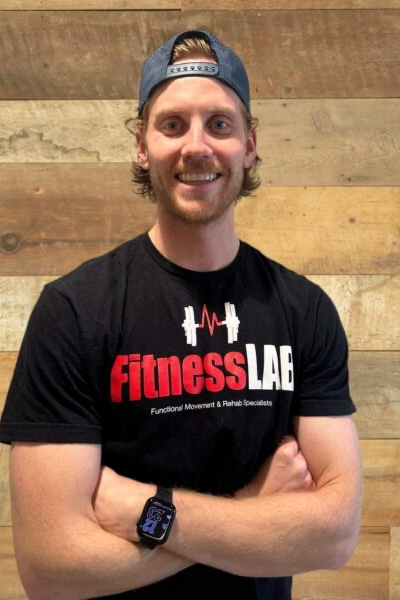
Dr. John Lee
PT, DPT, OCS
John grew up in Omaha, NE before moving out to Missouri where he completed his Bachelor of Science at Truman State University. While in college, John played four years of collegiate soccer, gaining extensive experience training at the highest level. John enjoys treating a variety of patients from weekend warriors to collegiate and professional athletes.
In 2020, John further pursued his education by completing an Orthopedic Residency through Regis University. Becoming a Board Certified Orthopedic Clinical Specialist has enhanced John’s manual therapy skills, exercise intervention and critical thinking skills. John also holds certifications in Functional Dry Needling, Titleist Performance Institute and Modern Manual Therapy.
Outside of the clinic, John enjoys playing soccer, golf, snowboarding and hanging out with his Bernese Mountain Dog, Lola.
Education Background:
- Residency Training: Regis University
- Doctorate in Physical Therapy: A.T. Still University
- Bachelors of Exercise Science: Truman State University
Certifications:
- Board Certified Orthopedic Clinical Specialist (OCS)
- Functional Dry Needling
- Titleist Performance Institute Medical Lvl 2 (TPI-M2)
- Selective Functional Movement Assessment (SFMA)
- Modern Manual Therapist
- Spinal Manipulative Institute Lvl 1
Specializing in:
- Orthopedic Injuries
- Sports Medicine
- Manual Therapy
- Strength and Conditioning
- Post-surgical Rehabilitation
- Spinal Manipulative Institute Lvl 1
- Chronic/Overuse Injuries
- Movement Analysis
-

Matt Oster
MS, NKT, MEP -
Dr. Bill Gregoire
Clinic Manager, PT, DPT -
Dr. Spencer Barnes
PT, DPT, OCS -
Dr. Alex Brateman
PT, DPT -
Dr. Alice M Davis
PT, DPT, OCS, FAAOMPT -
Dr. Caroline Marnin
PT, DPT -
Dr. Allison Shane
PT, DPT, OCS, FAAOMPT -
Dr. John Lee
PT, DPT, OCS -
Dr. Colton Litle
PT, DPT -
Dr. Connor Devin
PT, DPT