
Having Surgery? Bounce Back Faster
With Pre- and Post-Rehab
August Newsletter
If you’re scheduled for an orthopedic surgery (such as a total joint replacement or an ACL repair), you probably already know you’ll need to undergo rehabilitation afterward with a physical therapist. But have you considered working with a PT before your surgery, too?
Pre-rehabilitation, sometimes called “prehab,” is a little less common than rehab, but it’s still an important part of the surgical process. Together, a structured pre- and post-surgical physical therapy program can help you maximize the benefits of your surgery.
We offer pre- and post-rehab here at The Fitness Lab, and today, we want to explore both programs in detail. And if you’d like more personalized guidance, just contact our clinic to speak to our friendly staff!
What You Need to Know About Pre-Op Physical Therapy
Surgery can be incredibly tough on the human body. It’s a highly invasive procedure that brings with it a host of complications, such as blood clots, post-surgical pain, and more.
Standard rehabilitation works to minimize these risks after the fact. However, prehab takes a proactive approach, allowing you to improve strength, fitness, and pain levels before you have your procedure.
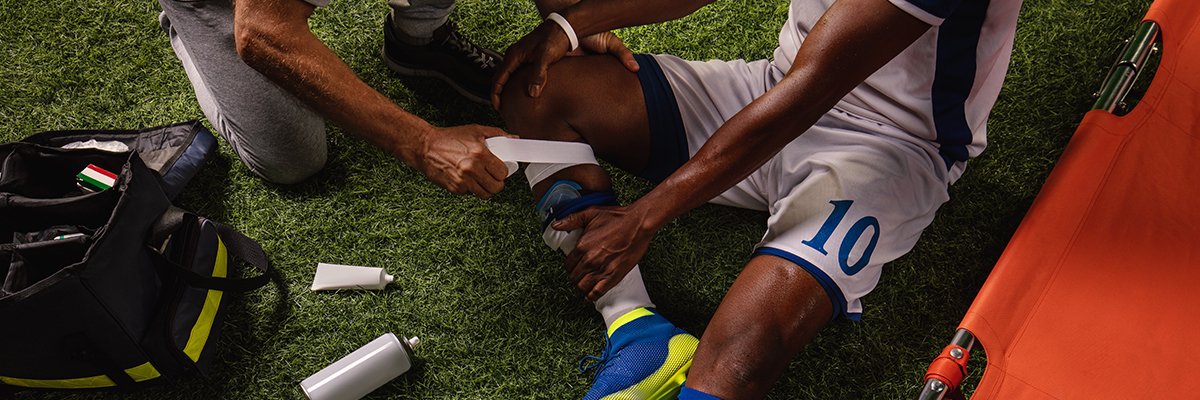
Think of it this way: No athlete goes into a big game unprepared. They spend time training to ensure their strength, endurance, and performance are the best they can possibly be. Prehab is the same way—you’re preparing your body for the “big game” of surgery.
What Are Some Benefits of Prehab?
- Improves strength and mobility, making surgery and recovery easier
- Reduces pain and swelling before surgery
- May help shorten hospital stays and overall recovery times
- Decreases the risk of complications
- Helps you understand what to expect after surgery, reducing anxiety
What Can I Expect During Prehab?
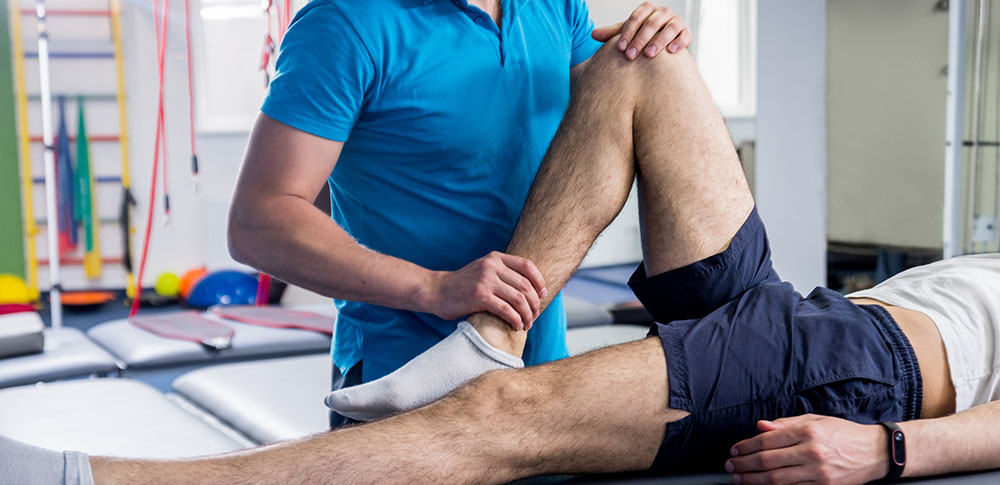
- An initial evaluation in which one of our physical therapists assesses your strength, range of motion, balance, and pain level
- Various pain management techniques, including manual therapy, ice/heat, or electrical stimulation, to help reduce discomfort
- A therapeutic exercise program consisting of specific exercises to target weak or stiff areas, improve circulation, and support surrounding joints
- Personalized endurance training consisting of low-impact cardiovascular activities to increase overall stamina
- A detailed overview of what you can expect after your surgery, including training on mobility aids and rehab exercises
What You Need to Know About Post-Op Rehabilitation
Most orthopedic surgeries aim to correct whatever dysfunction is causing pain (for example, replacing an arthritic joint with a prosthesis). The results can be life-changing, but they don’t occur overnight. It takes time to restore your body to its optimal strength, mobility, and function.
That’s what post-surgical rehabilitation focuses on. A structured physical therapy program helps you recover from the surgery itself and work to get back to the activities that matter most to you.
What Are Some Benefits of Rehab?
- Reduces pain and inflammation
- Improves range of motion and overall mobility
- Strengthens muscles and improves overall function
- Helps you regain independence and return to your daily activities
- Lowers the risk of long-term complications, such as chronic pain

What Can I Expect During Rehab?
- Techniques to help manage acute pain and swelling, such as ice, compression, manual therapy, and assisted stretches
- Guided mobility work to help restore movement in the affected joint or area without stressing healing tissues
- Scar tissue management using hands-on therapy or tools to reduce the risk of long-term pain or stiffness
- Targeted, progressive strengthening exercises to rebuild muscle at an appropriate pace
- Balance or gait training to help restore stability in surgeries that affect your movement patterns
- Functional training that helps you relearn everyday movements like standing, walking, or climbing stairs

Going Into Surgery? The Fitness Lab Is Here to Help!
If you have surgery scheduled, now’s the time to contact our clinic and learn more about how our pre- and post-op rehabilitation programs can help you make the most of your procedure.
Remember, your recovery starts before you ever head into the operating room. Schedule an appointment with us today to get started.
Patient Testimonial
“Had a great experience with Hayden getting a shoulder tear back to 100% without surgery. Great knowledge and implementation of that knowledge. Once I was 100%, he even worked with me to define a move forward workout strategy to maximize my future gains while taking my recent injury into consideration. Would highly recommend the Fitness Lab and specifically Hayden as a PT!”
—Stephan F.

Three Reasons You Shouldn’t Skip Physical Therapy After a Sports Injury
Did you know, no athlete wants to deal with an injury, which is probably why too many try to “push through” the pain and keep playing.
We probably don’t need to tell you that doing so is not a good idea. However, if you want to rehabilitate quickly and safely after a sports injury, you do have an option: physical therapy at The Fitness Lab. And the earlier you see us, the better your outcomes will be.
Here are some of the common problems with skipping out on physical therapy after a sports injury:

1. Incomplete Healing
- Ligaments and tissues may never regain their full strength and stability, leaving you vulnerable to further injuries. The longer you wait to address the issue, the more challenging it becomes to recover fully.
2. Poor Rehabilitation
- Inadequate or improper rehabilitation can lead to recurrent injuries. A good rehab plan strengthens the supporting structures around your injured area. When you skip this step, those structures may weaken over time, setting the stage for another injury.
3. No Guidance on Returning to Activity
- Athletes generally need guidance on when they can safely return to their sport. Our physical therapists can create a personalized return-to-activity schedule that gets you back in the game without risking your well-being.
If you’ve suffered a sports injury, treatment at The Fitness Lab is your key to returning to your sport stronger than ever. Our expertise and guidance can make all the difference between a complete recovery and a cycle of recurrent injuries.
Don’t let an injury hold you back; schedule an appointment with us today!
Don’t let an injury hold you back; schedule an appointment with us today!

Running Analysis Program: Run Better, Last Longer: Unlock Your Potential with a Personalized Running Analysis
Everyone’s running style and form is unique; therefore, your running analysis should be too. We create personalized recommendations to improve your running form, reduce the likelihood of injury, and enhance performance. Fitness Lab’s running analysis process involves a formal consultation, extensive physical assessment with muscular force testing, video treadmill analysis, personalized exercise prescription, and repeated video analysis with form adjustments.
In many cases, strength training is overlooked by the majority of runners in their training plans. Our program tests the strength of major muscles that aid in running to determine where imbalances lie that may impact your performance. We provide personalized recommendations on strength programs and exercises to correct those imbalances and decrease your risk of injury. By incorporating strength training into your running program, you can become a more efficient, faster runner and increase your longevity in the sport.
Completing a running analysis at some point in your running journey can also extend your time in the sport. Our bodies absorb forces from the ground in various ways, depending on our running form and the ability of our muscles to withstand those forces. Form training may include cues to correct poor mechanics, cadence training, and suggestions for modifying your running program to avoid overtraining. A combination of form training and strength training to improve your running mechanics is the key to a long, successful running career.
Ready to run smarter, faster, and with less risk of injury?
Schedule your personalized Running Analysis today and take the first step toward better form, stronger performance, and a longer running career!
Pelvic Floor Therapy Program: Power from the Pelvis: Support for Every Stage of Womanhood
Your body is strong, and with the right support, it can stay that way through adolescence, pregnancy, postpartum, and beyond. At The Fitness Lab, our Pelvic Floor Rehabilitation & Performance Program is designed for women who want to stay active in fitness and sport while addressing common, but often overlooked, pelvic floor challenges (pregnancy-related or not)!

We help active women manage and overcome:
- Urinary leakage during exercise or daily activity
- Pelvic organ prolapse symptoms
- Diastasis recti and core dysfunction
- Cesarean section recovery and related core weakness
- Pelvic pain with movement, intimacy, or posture
- Low back, hip, and SI joint pain
- Heaviness, pressure, or instability in the pelvis
- Return-to-sport and activity readiness after childbirth
Whether you’re lifting weights, running, playing sports, taking your favorite workout class, or chasing little ones around the playground, we provide individualized care that restores strength, coordination, and confidence from the inside out. Our expert physical therapists specialize in helping active women manage changes throughout the lifespan. This includes, but is not limited to, developing safe exercise programming during pregnancy and assisting with safe postpartum recovery.
From diastasis recti and incontinence to pelvic pain and performance plateaus, we offer personalized, movement-based rehab to support your goals. Our individualized evaluations may include an internal pelvic exam, strength and mobility assessment, functional movement evaluation, and an in-depth discussion of your goals to develop a rehab and fitness plan specifically tailored to you.
Stay active. Feel strong. Move confidently.
Contact us today to book your pelvic health assessment.

Feel Better by Eating Better!
Butternut Squash Soup
Served piping hot with a hunk of crusty bread, this creamy, nourishing butternut squash soup recipe is fall comfort food at its best.
Ingredients
- 2 tablespoons extra-virgin olive oil
- 1 large yellow onion, chopped
- ½ teaspoon sea salt
- 1 (3-pound) butternut squash, peeled, seeded, and cubed
- 3 garlic cloves, chopped
- 1 tablespoon chopped fresh sage
- ½ tablespoon minced fresh rosemary
- 1 teaspoon grated fresh ginger
- 3 to 4 cups vegetable broth
- Freshly ground black pepper
Heat the oil in a large pot over medium heat. Add the onion, salt, and several grinds of fresh pepper and sauté until soft, 5 to 8 minutes. Add the squash and cook until it begins to soften, stirring occasionally, for 8 to 10 minutes.
Add the garlic, sage, rosemary, and ginger. Stir and cook 30 seconds to 1 minute, until fragrant, then add 3 cups of the broth. Bring to a boil, cover, and reduce heat to a simmer. Cook until the squash is tender, 20 to 30 minutes.
Let cool slightly and pour the soup into a blender, working in batches if necessary, and blend until smooth. If your soup is too thick, add up to 1 cup more broth and blend. Season to taste and serve with parsley, pepitas, and crusty bread.
Where Fitness Meets the Mat: Lōgōs Jiu Jitsu Academy

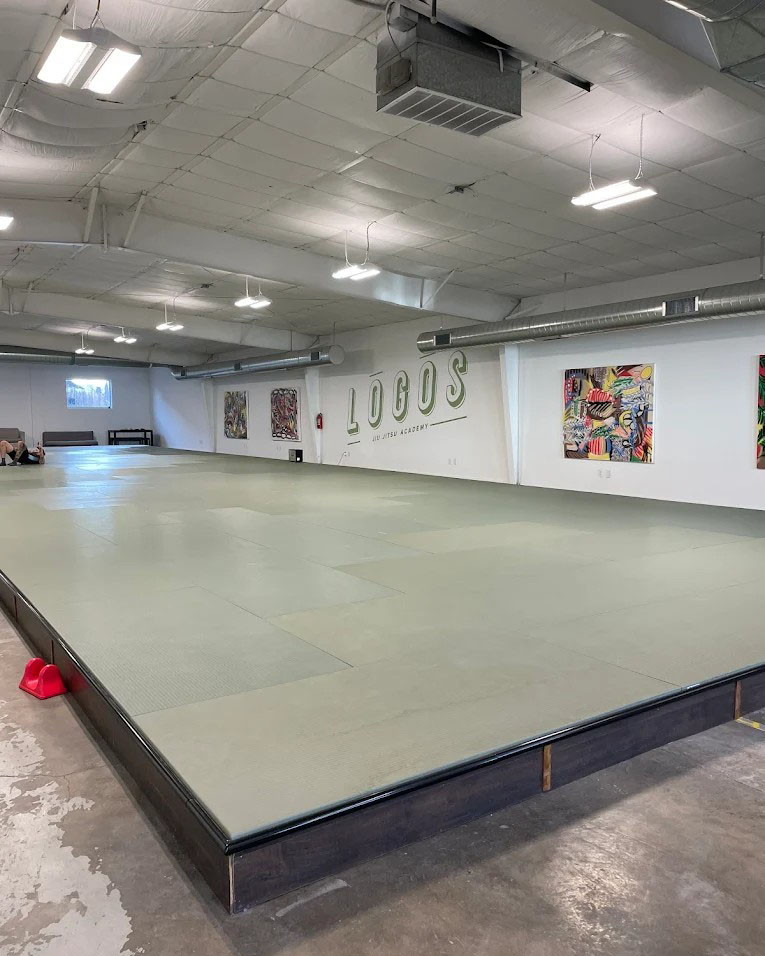

We’re proud to highlight our long-time partner, Logos Jiu Jitsu, Denver’s premier Jiu Jitsu gym. Logos is known for its commitment to safe and fun training, welcoming individuals of all ages and skill levels. If you’re new to the sport or curious to try it out, Logos offers free introductory classes to help you get started.
Over the years, Fitness LAB has worked closely with the Logos team to help keep their athletes healthy and performing at their best. When it comes to Jiu Jitsu expertise, Logos is our top recommendation.
Ready to give it a try? Visit logosjiujitsu.com or reach out directly:
📍 3440 Brighton Blvd, Denver, CO 80216
📞 619.306.7089
➡️ LogosJiuJitsuDenver@gmail.com
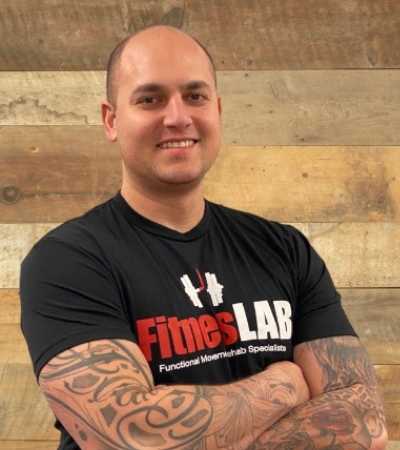
STAFF HIGHLIGHT
Matt Oster
MS, NKT, MEP
Matt has been working in the health and fitness industry for over 7 years. He is committed to understanding every client as an individual, developing a support system, and applying his expertise to make sure his clients feel any goal is attainable. Because of his personal journey, Matt is passionate about helping his clients exceed their wellness and fitness goals. Matt is dedicated to continued education and is energized by the opportunity to share his knowledge in a way that meets the needs of his clients.
A competitive athlete since childhood, playing golf, football and basketball provided access to coaches, training, and a structured approach to fitness. At age 14, Matt found himself surrounded by a team of physicians after being tackled headfirst on the football field. A team of emergency neurologists and orthopedic surgeons came together to make a decision in less than 48 hours on how to save Matt’s leg. It was then that Matt learned that he could function as an athlete but not to the same extent as his childhood dreams.
At the University of Colorado, Boulder, Matt studied psychology and slowly came back to sports; playing on several intramural teams. It was after college that Matt was introduced to powerlifting by a friend. The aspects of science that fueled a good workout and optimum training compelled Matt to compete in powerlifting competitions with record-breaking success. Reinvigorated by a rehabilitation of both mind and body was illuminating and led him to move from being a functional athlete to a much healthier whole being.
He found the changes he made in the gym could be felt in many aspects of his life. This drove his desire to understand the role that mental ability in combination with physical strength plays in performance. Matt enrolled in a Masters program through the University of California, Pennsylvania, and earned a degree in Biomechanics and Exercise Science with a concentration in injury rehabilitation and performance enhancement.
Meet Our Team
-

Dr. Alice M Davis
PT, DPT, OCS, FAAOMPT -
Matt Oster
MS, NKT, MEP -
Dr. Bill Gregoire
Clinic Manager, PT, DPT -
Dr. Alex Brateman
PT, DPT -
Dr. Connor Devin
PT, DPT