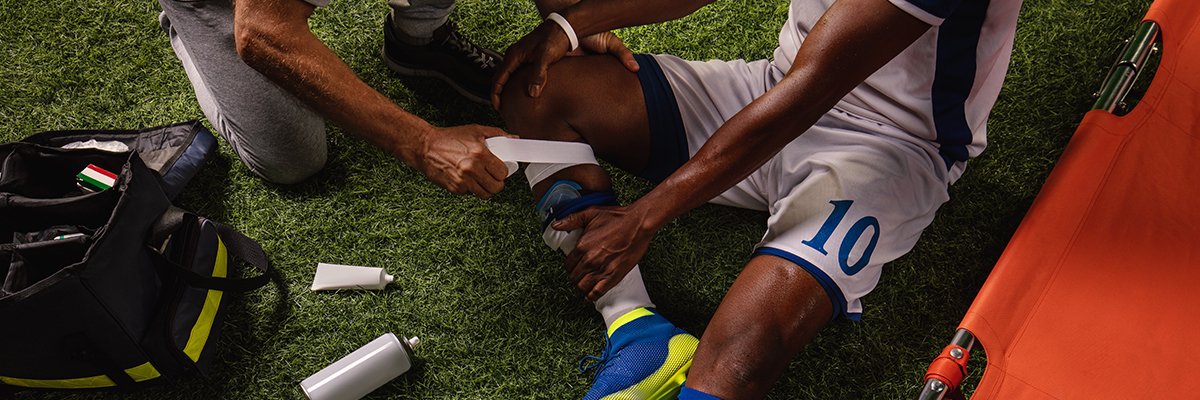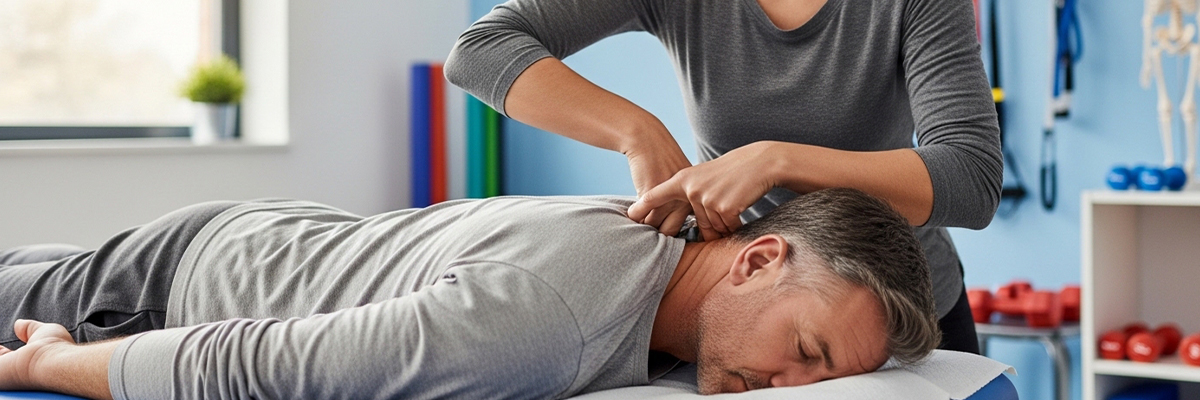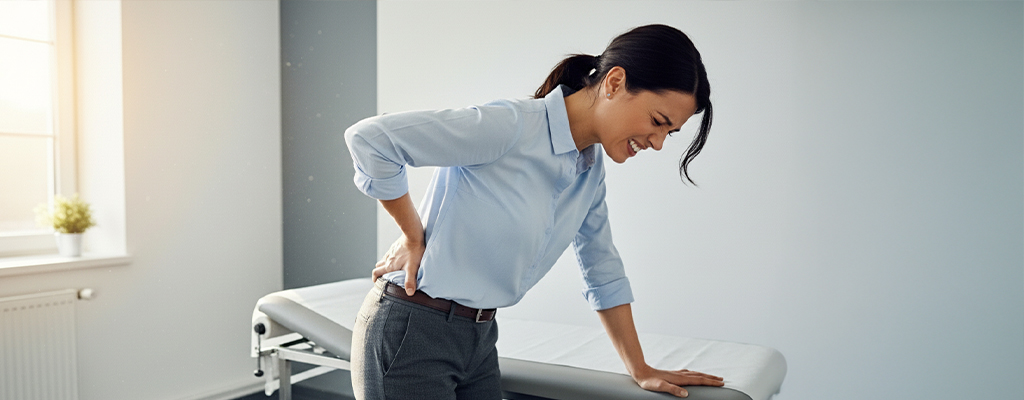

Get Ahead of Fall Sports Injuries Before the Season Starts
August Newsletter
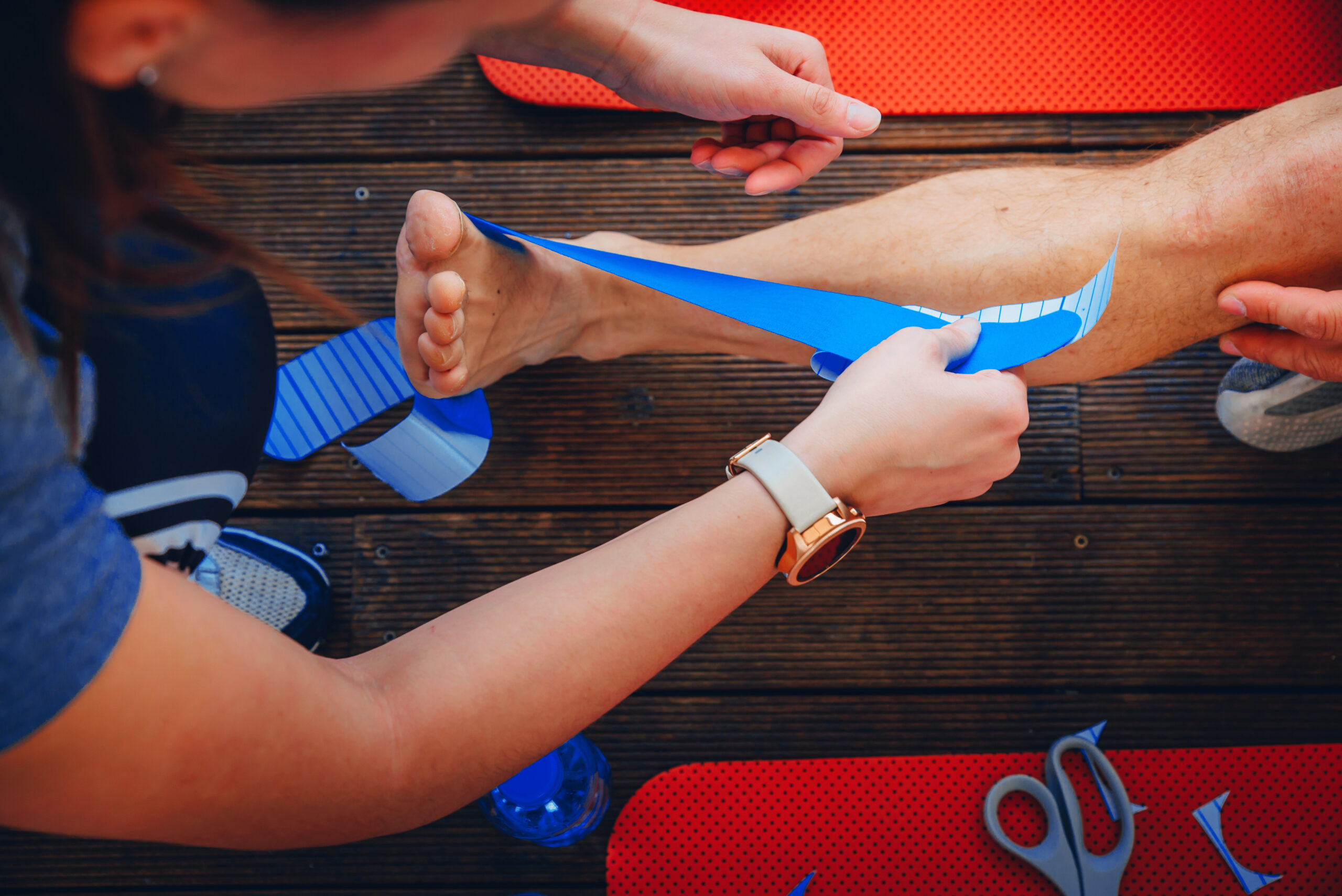
Summer’s starting to wind down, and that means one thing: fall sports will be here before you know it! Many athletes spend this time of year building strength and sharpening skills as they get ready for the busy fall sports season. Unfortunately, one key area often gets overlooked: injury prevention.
Whether you’re gearing up for football or cross-country running, summer’s end is a great time of year to start preparing your body for the increased demand of fall’s training schedule. Small movement limitations, minor muscle imbalances, and other easily-ignored stamina issues might not seem like a big deal during the offseason, but you can easily become overloaded and sore once you throw them into the heavy, back-to-back workloads of team training and competition.
That’s where a personalized physical therapy program from the team at The Fitness Lab can help. PT isn’t just about recovery. It can help you move efficiently, build resilience, and prepare your body for the demands of the season ahead.
Why Physical Therapy Is About More Than Injury Recovery
Many of our active patients associate physical therapy with post-injury rehabilitation. While helping injured athletes recover is an important part of what we do, physical therapy can also play a valuable role in preventing injuries before they happen.
It all starts with a comprehensive assessment that looks at the various factors that might be setting you up for an injury, such as:
- Strength and muscle balance
- Joint mobility
- Running, jumping, and landing mechanics
- Balance and coordination
- Sport-specific movement patterns
Issues in any of these areas can increase your risk of injury, even if you aren’t currently experiencing pain or obvious dysfunction. Identifying these hidden issues early is the first step in addressing them, and our team will next craft an individualized treatment plan that targets your specific sport and areas of concern before the heavy training begins. After all, no two athletes move exactly the same way, and no two sports place the same demands on the body.
Preventing Injuries In Three Popular Fall Sports
Soccer: Building Strength and Control
Soccer’s exciting gameplay requires players to perform repeated sprints, cuts, pivots, and jumps throughout a match. These movements place significant stress on the knees, ankles, hips, and hamstrings.
That’s why many non-contact soccer injuries occur when athletes change direction or land from a jump. Building up your lower-body braking power and hip control allows your legs to handle sudden, unexpected twists smoothly, and can reduce joint stress while increasing speed and efficiency on the field.
Areas of Focus for Soccer Players
- Hip and core strengthening
- Single-leg balance training
- Landing and cutting mechanics instruction
- Hamstring strengthening exercises
- Agility drills that mimic game situations
Football: Preparing for High-Impact Demands
Football is a heavy-duty sport that requires strength, power, speed, and the ability to absorb contact. Players are exposed to repetitive impacts and high physical loads throughout the season.
For that reason, our football injury prevention programs typically focus on strengthening to help you absorb those impacts. We’ll also evaluate movement patterns during squatting, sprinting, jumping, and other athletic tasks, since correcting inefficient movement patterns can help reduce unneeded stress on your body.
Areas of Focus for Football Players
- Total-body strength development
- Shoulder and neck strengthening
- Hip mobility training
- Core stabilization exercises
- Power and explosive movement training
Cross-Country: Improving Efficiency and Endurance
Cross-country running might not be a contact sport like football or even soccer, but it still places high demands on the body. Overuse injuries caused by repetitive stress are especially common, including shin splints, knee pain, Achilles tendon irritation, and stress-related bone injuries.
If anything, that makes injury prevention even more important for cross-country runners. Even the smallest movement inefficiencies can become significant after hundreds of miles of training. Fine-tuning your running stride and addressing weaknesses can help you maintain consistency throughout the season while reducing unnecessary strain on your lower body.
Areas of Focus for Cross-Country Runners
- Running gait analysis
- Hip and glute strengthening
- Calf strengthening exercises
- Mobility work for the ankles and hips
- Training load and recovery guidance
Get Ready for Your Best Season Yet
The best time to address potential injury risks is before the season begins. No matter what sport you’re playing this fall, a personalized physical therapy program can help reduce your injury risk and boost your overall performance.
To learn more about how The Fitness Lab team can help you have a fantastic fall sports season, schedule an initial evaluation today.
Sources: https://www.sciencedirect.com/science/article/abs/pii/S1466853X2100095X
Move with Ease – Open Gym Memberships Now Available at Our Rino Clinic
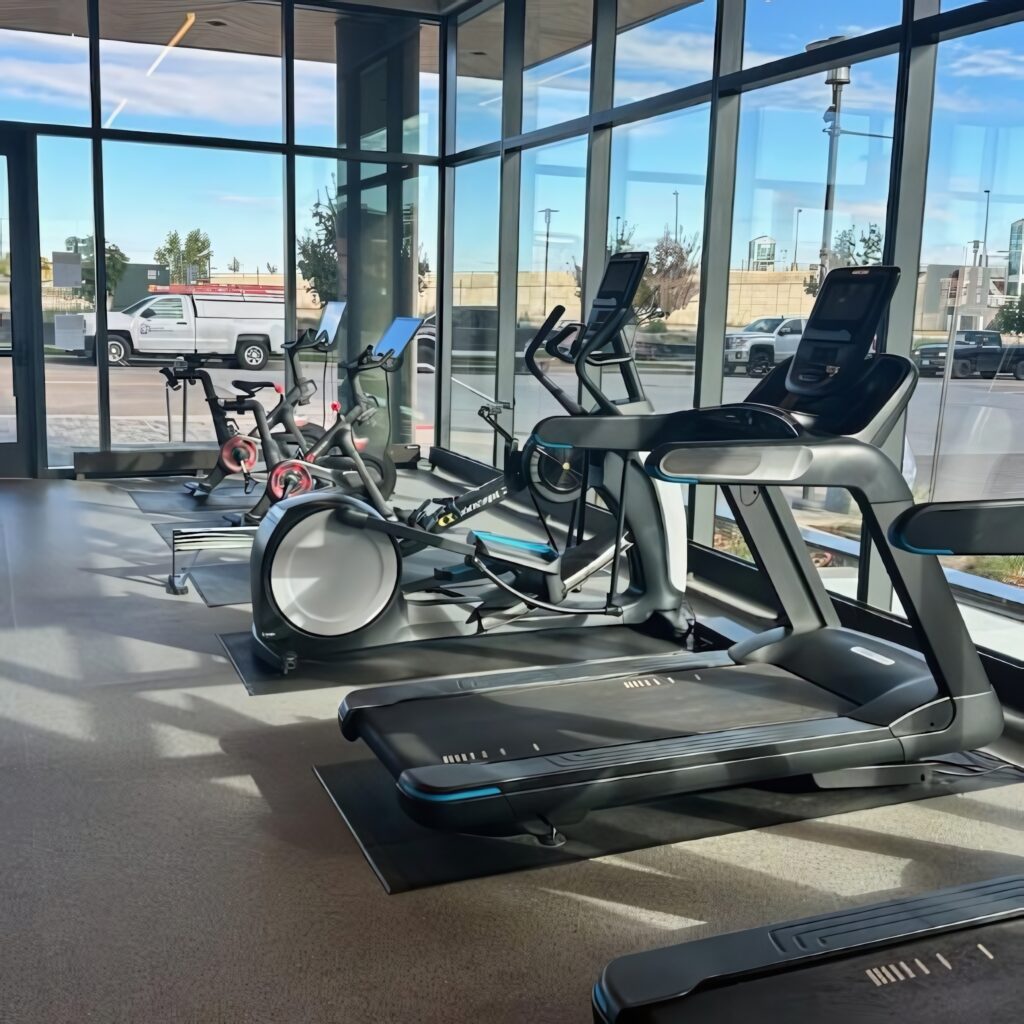
Movement is one of the best ways to reduce stiffness, improve joint function, and keep doing the activities you love. That’s why The Fitness Lab offers an Open Gym Membership at our Rino Clinic designed to help you stay active, safely and confidently—on your own schedule.
With 24/7 access, you can enjoy our full facility, including cardio machines, strength equipment, and turf space, in a supportive environment that prioritizes movement and recovery.
Membership Options:
- 10-visit punch pass: $200
- Month-to-month: $99 / month
- 6-month commitment: $89 / month
- 12-month commitment: $79 / month
- Current PT or training client rate: $50 / month
- Drop-in daily fee: $30 / day
- 5-visit punch pass: $125
Why it helps:
- Gentle, regular movement can ease joint stiffness and pain
- Strength training supports better balance and mobility
- Cardio exercise improves endurance and circulation
- Access to top-tier equipment including Rogue, Matrix, Life Fitness, and Concept2
- Flexible hours let you work out when your body feels best
Limited memberships available. We cap participation to keep the gym comfortable and uncrowded for every member.
Next step: Stop by the front desk or contact our team to learn how open gym access can help you move better, feel stronger, and stay active this summer. Gym memberships are for our Rino clinic only at this time.

Understanding Rotator Cuff Injuries: Signs and Symptoms
If you’ve been experiencing shoulder pain or discomfort, it’s essential to understand the signs and symptoms of a potential rotator cuff injury. By recognizing these indicators, you can take the crucial first step towards seeking appropriate care and embark on your path to recovery.
Rotator cuff injuries can vary in severity. In addition to pain, they often share these five signs and symptoms:
- Disturbed Sleep: Rotator cuff pain often worsens at night, interfering with sleep. Sleeping on the affected side can be particularly uncomfortable.
- Weakness: Individuals with a rotator cuff injury may experience weakness in the affected shoulder, making it challenging to perform tasks that require lifting, reaching, or holding objects.
- Limited Range of Motion: Reduced mobility in the shoulder is a common symptom. You may struggle to raise your arm, reach behind your back, or perform overhead activities.
- Difficulty with Daily Activities: Rotator cuff injuries can impact daily tasks such as combing hair, dressing, and reaching for items on high shelves. It can also affect sports and recreational activities.
- Gradual Onset: Some rotator cuff injuries develop gradually over time due to overuse, while others may result from a sudden injury or trauma, such as a fall or lifting heavy objects.
Take the First Step Toward Recovery
It’s essential to seek help from one of our Fitness Lab specialists if you experience any of these symptoms, as early intervention can lead to more effective treatment and improved outcomes. Our physical therapists can assess your shoulder and tailor a treatment plan to address your specific needs and goals.
Don’t wait to get help; call today and schedule a consultation!
Patient Testimonial
“Hayden has been my PT through my recovery after a knee surgery. He is extremely understanding and very knowledgeable. I appreciate him and would recommend to anyone! Ronnie has also always been helpful with scheduling and any questions I have”
—Rylie G.
Exercise of the Month
One Leg Balance (No Support)
(Ankles, Core, Balance)
Slowly lift your uninjured leg upward behind you so that your weight lies on the leg with the injured ankle. Hold this position for 20 to 30 seconds and gradually progress to more seconds as you get stronger.
2 Sets, 1 Rep. (Materials needed: chair)

Roasted Red Pepper Pasta
Restaurant-level pasta! Caramelized shallots folded into a silky red pepper sauce, and tossed with noodles. Heaven!
Roasted Red Pepper Pasta:
- 1/2 cup roasted red peppers (jarred, drained – 3-5 pieces)
- 3/4 cup water
- 1/2 teaspoon chicken or vegetable broth base
- 2 tablespoons butter
- 1 large shallot, sliced thinly on a mandoline
- 3/4 cup heavy cream
- 8 ounces pasta
- 1/2 cup reserved pasta water (optional, as needed)
Toppings:
- 1/4 cup Parmesan
- basil leaves and/or red pepper flakes
Instructions:
- Red Pepper Puree: Blend the red peppers, water, and broth base until smooth.
- Saute the Shallots: Heat a large skillet over medium heat. Add the butter and shallots; sauté until the shallots are lightly golden brown and caramelized, about 10-15 minutes.
- Cook Pasta: During this time, cook the pasta according to package directions, to al dente so the noodles can finish in the sauce.
- Combine Sauce: Turn the heat down to avoid splatters; add the red pepper puree and let it sizzle out for a moment. Then add the cream. Stir to combine; let it gently bubble for a few moments until it has thickened into a nice creamy sauce.
- Add Pasta: Add pasta into the sauce; let it simmer for a few moments to thicken and coat the noodles. If needed, add reserved pasta water to reach desired consistency.
- Yum. Serve immediately, topped with Parmesan, basil, and/or red pepper flakes. It’s so gooood.
Our Team

Matt Oster
MS, NKT, MEP

Dr. Bill Gregoire
Clinic Manager, PT, DPT

Dr. Spencer Barnes
PT, DPT, OCS

Dr. Alex Brateman
PT, DPT
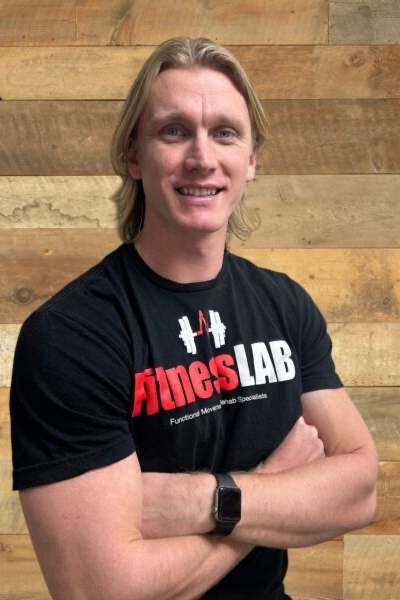
Dr. Laike Damman
PT, DPT

Dr. Alice M Davis
PT, DPT, OCS, FAAOMPT

Dr. Connor Devin
PT, DPT
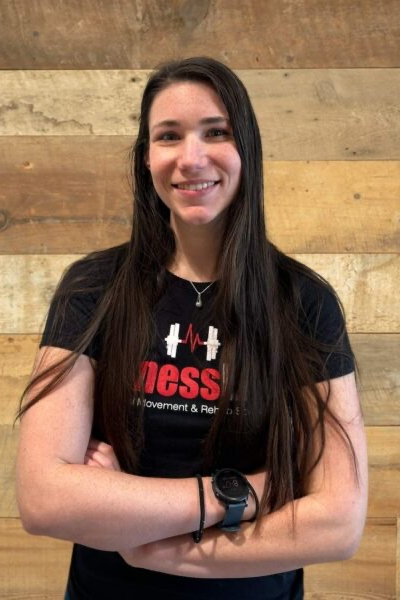
Dr. Kaitlyn Dobbertin
PT, DPT, CSCS, SCS

Dr. Kamryn Klepper
PT, DPT
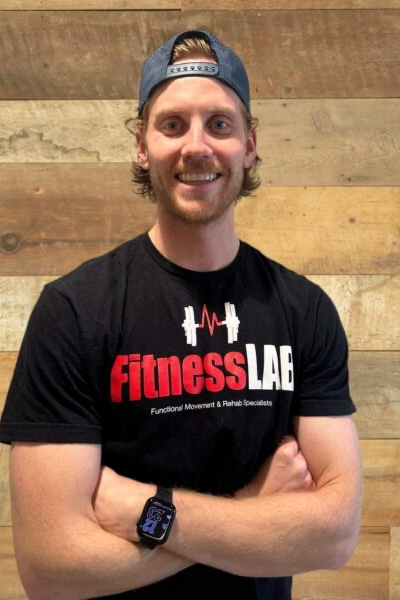
Dr. John Lee
PT, DPT, OCS
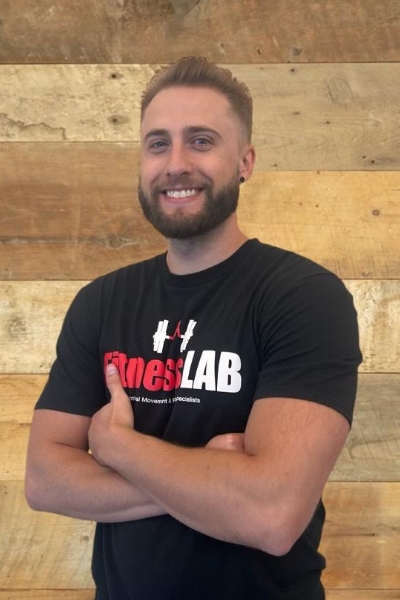
Dr. Colton Litle
PT, DPT
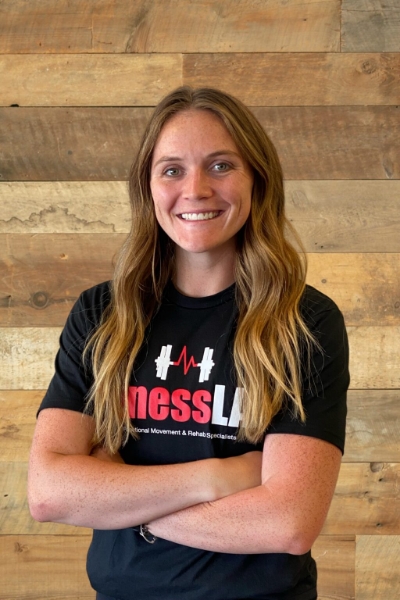
Dr. Caroline Marnin
PT, DPT

Dianna Cole McNitt
PT, COMT

Dr. Allison Shane
PT, DPT, OCS, FAAOMPT
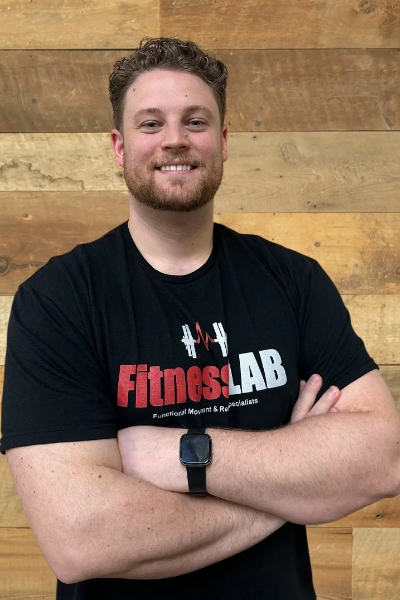
Dr. Hayden Ray
PT, DPT
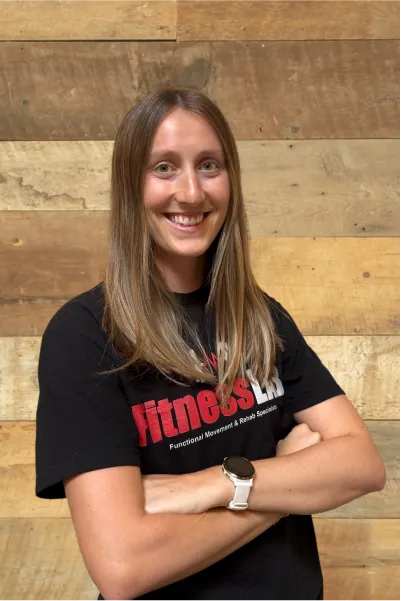
Dr. Reilly Reed
PT, DPT
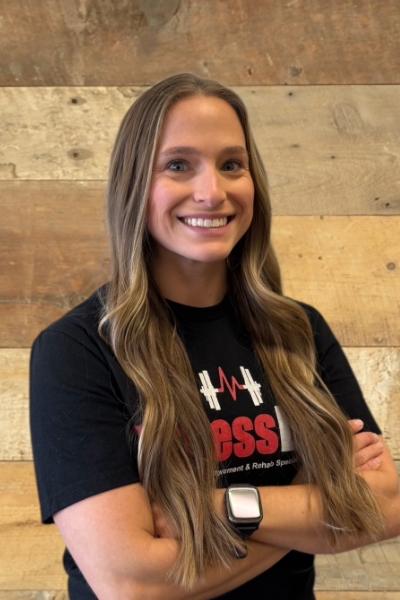
Dr. Melanie Kos
PT, DPT
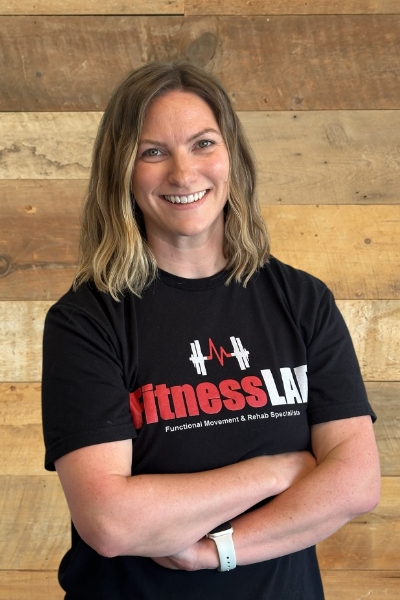
Dr. Kristen Templin
PT, DPT
Clinic / Admin
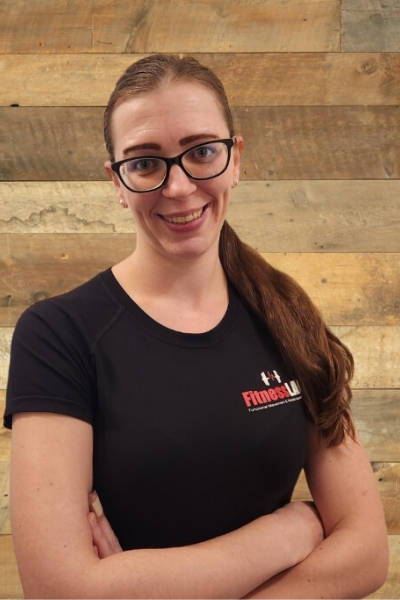
Amanda Mundt
Patient Care Coordinator
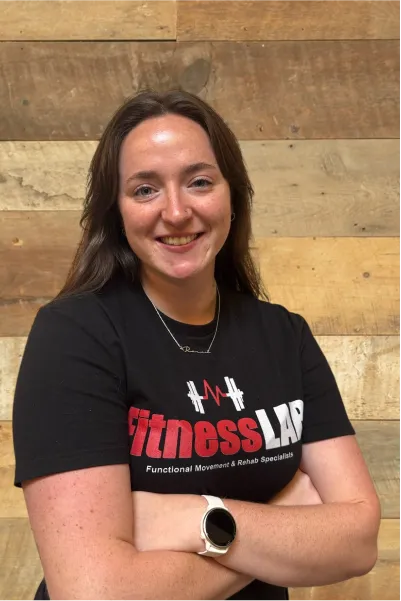
Veronica Jennings
Patient Care Coordinator
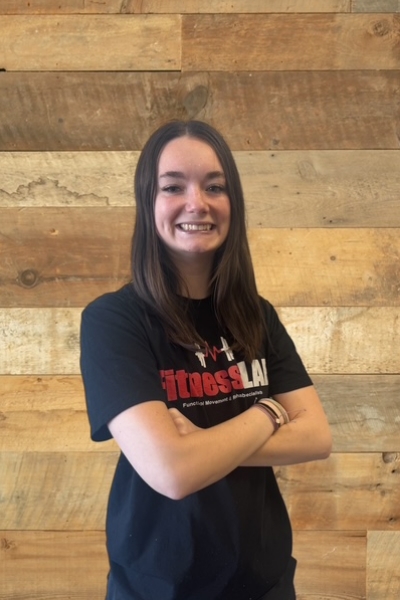
Sage Underwood
Patient Care Coordinator