

The Role Physical Therapy Plays in Preventing Surgery for Sports-Related Injuries
July Newsletter

If you’re an athlete or enjoy playing sports, injuries are, unfortunately, a common occurrence. Fortunately, our Fitness Lab physical therapists can help you recover after an injury and avoid the need for surgery in many cases.
Our team can help guide you through the preventive steps you can take to minimize your risk of sports injuries. If you sustain an injury, we’ll identify all the factors related to your injury and address them one by one.
Through our specialized programs, we can help you recover and improve your physical capabilities. We’ll take a holistic approach that fortifies your overall health and improves the skills necessary to maximize your athletic performance.
If you’re an athlete looking to recover after an injury, prevent surgery, and get an edge on the field, court, or weight room, we can help. Our therapist-led programs are designed to help athletes withstand the physical demands of sports more effectively, minimizing the incidence of an injury and the need for surgery.
Tailored Plans After an Injury
If you are trying to avoid surgery and wonder if physical therapy can prevent or delay it, the simple answer is yes!
Most orthopedic-type surgeries are not urgent or emergencies. Although traumatic situations can be emergencies, most times, there is a significant period of time between diagnosis and surgery.
Far too often, people mistake their symptoms for signs to rest or avoid the activities causing them pain. Even more frequent is the number of people who ignore aches and pains, thinking they will go away on their own, only to discover their body was actually signaling something was wrong. Unfortunately, rest, avoidance, and trying to ignore or push through pain only lead to a bigger, often more complex, problem.
At The Fitness Lab, our physical therapists will weed through your symptoms and identify the root cause of your particular situation. We will give you the tools to prevent, delay, or prepare yourself for surgery.
We’ll guide you through a gradual progression to make sure you are ready to return without any limitations or impairments standing in your way. This cautious approach ensures a safer and more effective recovery process.
Rather than a “one-size-fits-all approach,” we believe every patient is unique and deserves a program tailored to their specific situation and goals. You are not merely treated but are guided towards a pathway of enhanced performance and overall well-being!
What to Expect at Your Physical Therapy Sessions
Rehabilitation should start immediately following most injuries to ensure the fastest recovery possible. One of our physical therapists with sports rehab experience will thoroughly evaluate the athlete to determine the injury’s severity and identify any other weaknesses or limitations that may affect the athlete’s recovery, stability, or strength.
Next, your therapist will create a targeted, individualized plan of care for you to promote accelerated recovery and future injury prevention. Our goal is to minimize the risk of needing surgery, so you get back to training and competing in the sport you love.
For example, your physical therapist will start with pain management and restoring mobility to the injured area. Next, we will focus on progressing your strength and dynamic stability exercises to restore function and prevent injuries. We will also incorporate balance and coordination exercises to stimulate the nervous system and help ensure you can run, jump, and cut to change direction, land in the correct position, and avoid future injuries.
Physical therapy at The Fitness Lab will provide the foundation for successful training while reducing future injuries and avoiding surgery!
Considering Physical Therapy? Get Started Today!
Navigating the road to recovery and returning to the sports activities you love can be tricky. Fortunately, our seasoned physical therapists are here to guide you every step of the way. With years of experience working with athletes, we’ve been instrumental in rehabilitating individuals post-injury, helping them avoid surgery and ensuring a smooth transition back to the sports they love.
Whether you’re on the brink of surgery or hoping to prevent it, our therapists will create a program specifically tailored to your unique needs. Reach out to our clinic to learn more!
Sources: https://www.ncbi.nlm.nih.gov/pmc/articles/PMC5223716/, https://www.ncbi.nlm.nih.gov/pmc/articles/PMC5573846/, https://pubmed.ncbi.nlm.nih.gov/27385156/, https://www.jwatch.org/na47635/2018/10/18/effectiveness-physical-therapy-vs-arthroscopy-meniscal, https://bjsm.bmj.com/content/56/15/870, https://jamanetwork.com/journals/jama/fullarticle/2705186
Move with Ease – Open Gym Memberships Now Available at Our Rino Clinic
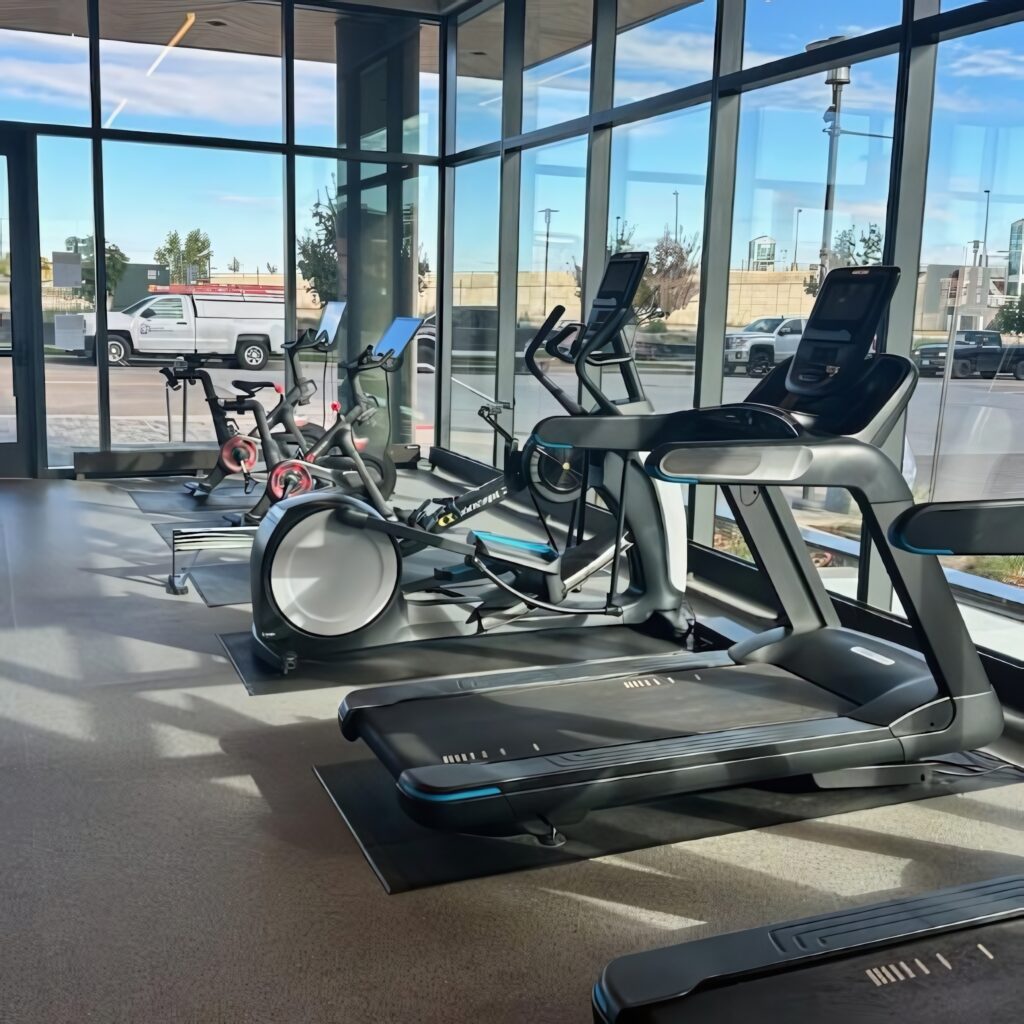
Movement is one of the best ways to reduce stiffness, improve joint function, and keep doing the activities you love. That’s why The Fitness Lab offers an Open Gym Membership at our Rino Clinic designed to help you stay active, safely and confidently—on your own schedule.
With 24/7 access, you can enjoy our full facility, including cardio machines, strength equipment, and turf space, in a supportive environment that prioritizes movement and recovery.
Membership Options:
- 10-visit punch pass: $200
- Month-to-month: $99 / month
- 6-month commitment: $89 / month
- 12-month commitment: $79 / month
- Current PT or training client rate: $50 / month
- Drop-in daily fee: $30 / day
- 5-visit punch pass: $125
Why it helps:
- Gentle, regular movement can ease joint stiffness and pain
- Strength training supports better balance and mobility
- Cardio exercise improves endurance and circulation
- Access to top-tier equipment including Rogue, Matrix, Life Fitness, and Concept2
- Flexible hours let you work out when your body feels best
Limited memberships available. We cap participation to keep the gym comfortable and uncrowded for every member.
Next step: Stop by the front desk or contact our team to learn how open gym access can help you move better, feel stronger, and stay active this winter. Gym memberships are for our Rino clinic only at this time.
Three Exercises to Strengthen Your Shoulders and Upper Back
Maintaining strength throughout your shoulders and upper back is crucial to avoid neck pain! The physical therapists at The Fitness Lab can help you develop a customized exercise program that addresses your needs and fits with your abilities.

Curious about what exercises we might include in that program? Here’s an overview of three common resistance training exercises we often use to help people with neck discomfort. Before trying any of them yourself, make an appointment with our team to ensure you’re using the right weight and proper form.
- Shoulder Press: With a dumbbell in each hand, make a “field goal ” shape with your arms: your arms are bent at a 90-degree angle with your palms facing up. Brace your core as you press the weights overhead, then slowly lower them back down to your starting position.
- Reverse Flies: Lean forward at your waist with your elbows slightly bent and dumbbell in each hand. Slowly raise the weights until they are in line with your shoulders.
- Modified Push-Ups: Push-ups are a great way to build upper back and shoulder strength, but if you find the standard push-up too difficult, never fear: the modified version is just as effective. Start on your hands and knees (instead of your feet) with the body in a straight line from head to knee. Slowly lower your chest until it’s a few inches off the floor, then rise back up.
A dedicated strength-training program is a great way to reduce neck discomfort. Schedule an appointment with us to get started with one of your own!
Sources: https://www.physio-pedia.com/Neck_Pain_Tool-kit:_Step_3

Stay in the Game, Skip the Pain: The Role of Sports Physical Therapy
Athletes often push their bodies to the limit to achieve their goals. This intense effort, or an unfortunate accident, can sometimes lead to injuries. Fortunately, with the right information and approach, many of these injuries can be avoided or effectively managed through physical therapy.
Here, we explore the most common sports injuries and how physical therapy can be a pivotal player in preventing surgeries.
Common Sports Injuries
First, let’s discuss some of the most frequently encountered sports injuries. One of the main reasons for these injuries includes deceleration incidents, which put immense strain on muscles and ligaments, and sudden changes in direction, which can cause lower body sprains and strains.
In addition, inadequate or improper training methods, including insufficient warm-up and improper technique, elevate the risk of injuries. Overuse injuries (i.e., repetitive stress) frequently occur without proper rest, leading to complications such as tendonitis.
The top sports injuries are:
- Ankle Sprains: Ankle sprains are common in sports involving running and jumping when the ligaments surrounding the ankle are stretched or torn.
- Knee Sprains: Athletes are prone to knee sprains, which can involve damage to ligaments, cartilage, or other structures within the knee joint.
- Shoulder Injuries: These encompass a range of issues, including rotator cuff tears and dislocations, often seen in sports that involve overhead motions like swimming or baseball.
- Fractures: These involve breaks in the bones from a single, forceful incident or stress fractures (caused by repetitive stress).
Our physical therapists can guide you through preventive strategies to reduce your risk of sports injuries and promote a safer athletic environment.
Seek the Right Guidance
Physical therapy plays a significant role in helping athletes avoid surgeries and return to their optimal performance levels. Here’s how:
- Personalized Plans: Our therapists design individualized plans that focus on strengthening the muscles and improving mobility to help prevent future injuries.
- Education and Training: Our therapists educate athletes on the proper techniques, including tips on body mechanics, posture, movement patterns, and preventive measures to avoid injuries.
- Functional Restoration: Physical therapy focuses on restoring the function of injured areas, enabling athletes to return to their sport with a minimized risk of re-injury or need for surgery.
By working closely with our skilled physical therapists, athletes can return to their favorite sports and sidestep any potential surgeries!
Call The Fitness Lab to schedule a consultation with one of our sports therapists!
Patient Testimonial
“Could not be happier with my experience at The Fitness Lab. I have been having trouble with my back/neck for years. I have seen other PTs and tried just about everything. Melanie Koss was able to diagnose the problem on day one and, after a few months, has gotten me back to being able to work out consistently. Super easy to work with, she gave me a detailed plan and warm-ups I can continue to do to keep the pain away. Very happy with my experience!?”
—Nathan M.
Exercise of the Month
Bent Over Rows
(Upper Back, Shoulders)
Hold a weight in your hand. Slightly bend your knees and bend at your waist to bring your torso forward. Make sure your back remains flat and about parallel to the floor. Pull the weight towards you. Make sure your elbows stay close to your body. Slowly return to the starting position. 3 Sets, 10 Reps. (Materials needed: dumbbells)

Swamp Soup
This swamp soup, named for its vibrant green color, is made from a combination of spinach and parsley blended into a silky base, with fiber-rich white beans, shredded chicken and brown rice stirred in for a satisfying texture. A sprinkle of fried garlic and crushed red pepper adds savory crunch and gentle heat to each spoonful.
Ingredients:
- 2 tablespoons extra-virgin olive oil, divided
- 1 medium white onion, chopped
- 1 (1-inch) piece fresh ginger, peeled and chopped
- 3 medium cloves garlic, minced
- 4 cups unsalted chicken broth
- 4 cups baby spinach
- ½ cup coarsely chopped fresh flat-leaf parsley, plus more for garnish
- 1 tablespoon lemon juice
- ½ teaspoon crushed red pepper, plus more for garnish
- ½ teaspoon salt
- ¼ teaspoon ground pepper
- 1 (15-ounce) can no-salt-added white beans, rinsed
- 1 cup shredded cooked chicken breast
- 1 cup cooked long-grain brown rice
- 1 tablespoon fried garlic or fried onions
Instructions:
- Heat 1 tablespoon oil in a large saucepan over medium heat. Add chopped onion, chopped ginger and minced garlic. Cook, stirring constantly, until the onion is softened, about 5 minutes.
- Add 4 cups broth and bring to a simmer over medium heat. Stir in 4 cups spinach, ½ cup parsley, 1 tablespoon lemon juice, ½ teaspoon crushed red pepper, ½ teaspoon salt and ¼ teaspoon pepper. Cook, stirring occasionally, until the greens are wilted and tender, about 5 minutes.
- Puree the soup in the saucepan using an immersion blender until smooth, about 2 minutes. (Alternatively, working in batches, pour the spinach mixture into a blender. Secure the lid and remove the center piece to allow steam to escape. Cover with a clean towel and process until smooth, about 1 minute. Use caution when blending hot liquids.)
- Stir in rinsed beans, 1 cup shredded chicken and 1 cup cooked brown rice. Cook over medium heat, stirring occasionally, until the soup is heated through and slightly thickened, about 5 minutes.
- Divide the soup among 4 bowls. Drizzle with the remaining 1 tablespoon oil and top with 1 tablespoon fried garlic. Garnish with additional parsley and crushed red pepper, if desired.
Our Team

Matt Oster
MS, NKT, MEP

Dr. Bill Gregoire
Clinic Manager, PT, DPT

Dr. Spencer Barnes
PT, DPT, OCS

Dr. Alex Brateman
PT, DPT

Dr. Laike Damman
PT, DPT

Dr. Alice M Davis
PT, DPT, OCS, FAAOMPT

Dr. Connor Devin
PT, DPT

Dr. Kaitlyn Dobbertin
PT, DPT, CSCS, SCS

Dr. Kamryn Klepper
PT, DPT

Dr. John Lee
PT, DPT, OCS

Dr. Colton Litle
PT, DPT

Dr. Caroline Marnin
PT, DPT

Dianna Cole McNitt
PT, COMT

Dr. Allison Shane
PT, DPT, OCS, FAAOMPT
Dr. Hayden Ray
PT, DPT

Dr. Reilly Reed
PT, DPT

Dr. Melanie Kos
PT, DPT

Dr. Kristen Templin
PT, DPT
Clinic / Admin

Amanda Mundt
Patient Care Coordinator

Veronica Jennings
Patient Care Coordinator

Sage Underwood
Patient Care Coordinator