
A Comprehensive Look at How Posture Affects the Shoulder
March Newsletter

Shoulder pain is an all-too-common complaint, making routine activities like lifting, typing, and even sleeping difficult. It seems like every week we get a patient who comes to us with shoulder pain related to poor postural habits.
A lot of people know the old song about how the foot bone is connected to the knee bone (and the knee bone is connected to the thigh bone, and so on). In the world of physical therapy, we call this regional interdependence. This means something in one area of the body is affecting another area. As the song says: it’s all connected.
Well, this is definitely true when it comes to the functioning of our shoulder joints. Poor postural habits and prolonged slumped postures put the shoulder in a vulnerable position, making it susceptible to pain or injury. The good news is our therapists at The Fitness Lab have extensive training in identifying all the factors that are contributing to your shoulder pain and, most importantly, how to resolve them, one by one!
How Posture Impacts the Shoulder
One significant factor contributing to shoulder pain is Upper Crossed Syndrome (UCS). This condition is characterized by postural changes that affect how the muscles of our upper back and shoulder girdle work, which in turn affects the normal movement patterns in the entire upper portion of the body.
The classic signs of Upper Crossed Syndrome include:
- Forward head posture: The head is positioned forward in relation to the shoulders.
- Rounded shoulders: The shoulders are rounded forward, causing the upper back to appear hunched.
- Increased thoracic kyphosis: The upper back has an increased curvature, leading to a rounded appearance.
- Protracted shoulder blades: The shoulder blades are positioned more forward and away from the spine.
- Weak deep neck flexors: The muscles at the front of the neck that help stabilize the head are weak.
- Tight pectoral muscles: The muscles in the chest area are tight and may contribute to the rounded shoulder posture.
- Weak scapular stabilizers: The muscles that stabilize the shoulder blades are weak, leading to altered movement patterns.
These issues often lead to shoulder pain, limited range of motion, and impaired muscle function. Although the signs are common in a lot of people, not everyone with these signs will have the same symptoms. This is why it is essential to consult one of our physical therapists to identify your specific needs and design a tailored treatment plan that addresses your situation.
The Role of Physical Therapy in Resolving Your Pain
The first step to resolving your shoulder pain is a comprehensive evaluation. Our physical therapists will conduct a thorough history and physical exam that includes an assessment of your posture as well as the function of your shoulder blade musculature to identify any obvious changes to muscle activation and movement patterns.
Based on the assessment, our physical therapists will design tailored exercise regimens that address not only muscle length and strength but also neuromuscular factors. This could lead to more lasting relief and functional improvement.
Our team uses a functional approach that is rooted in neurology. We consider the interaction between your nervous system, biomechanics of your spine and shoulder joints, as well as muscle function. This allows us to not only identify and address any imbalances in muscle length and strength, but also from neuromuscular factors like muscle recruitment.
These exercises may include work on your spinal joint mobility and strengthening exercises to correct any postural dysfunctions contributing to your conditions. Our team spends a lot of time educating you about how you are holding and moving your body to ensure you have the tools to train your body in the proper movement patterns that help to correct imbalances and offer lasting relief.

Take the First Step Towards Lasting Relief Today
If you’re experiencing persistent shoulder pain, limited range of motion, or discomfort in your upper body, the time to act is now. These signs are not just distressing; they can have a long-term impact on your quality of life and overall well-being.
Reach out to The Fitness Lab today for a comprehensive assessment and personalized treatment plan designed to restore balance to your muscles, improve your posture, and, most importantly, alleviate your pain!
Sources: https://trialsjournal.biomedcentral.com/articles/10.1186/s13063-020-4159-9, https://www.jospt.org/doi/10.2519/jospt.2020.0501, https://www.jospt.org/doi/full/10.2519/jospt.2020.8498
Selective Functional Movement Assessment (SFMA)
Functional Movement Screens
Have you been dealing with an ache or pain that doesn’t seem to go away or worried about an injury sidelining you this sports season? At The Fitness Lab, our physical therapy team is highly trained to identify what injuries athletes and non-athletes may be susceptible to, regardless of age, gender, or ability.
Our team will perform a comprehensive analysis using Functional Movement Screen (FMS) or Selective Functional Movement Assessment (SFMA) to help us provide the tools to reduce these risks and get you moving and feeling better again.
The FMS is a quick assessment for active individuals to determine if there are weak links that need to be addressed in rehabilitation and/or fitness programs. The intent is injury prevention as opposed to actual treatment after the fact.
Request an appointment at The Fitness Lab today and see if the FMS or SFMA is right for you!
Go to the Pain, Not Through the Pain
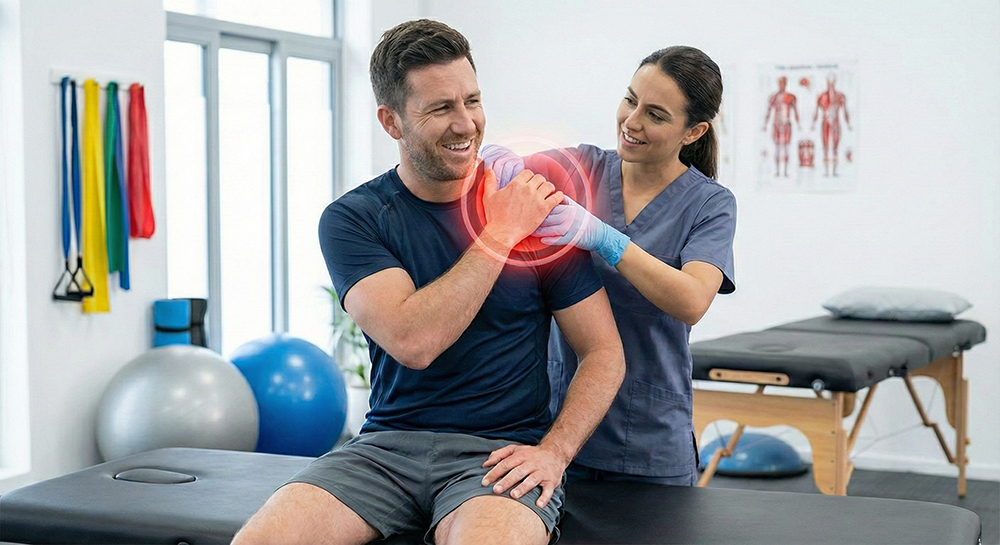
The days of “no pain, no gain” are hopefully in the past. The idea of emphasizing pushing through discomfort to achieve results is not an effective solution for most people dealing with a painful condition, injury, or chronic condition. In fact, recent research suggests that a more holistic approach is effective and, indeed, safer for patients.
Pain is our body’s way of letting us know that something is happening in the body. When a nerve ending is triggered, an impulse travels to the brain, alerting us that something is happening. It is a warning sign or an alarm. How this impulse is interpreted varies from person to person and is influenced by a multitude of factors.
Aggressively pushing through pain can worsen the underlying issues and potentially result in long-term damage. The key is getting help from people who work with painful conditions every day, like our therapists at The Fitness Lab!
How Physical Therapy Can Help You Find Relief
In cases of musculoskeletal disorders and injuries, applying excessive stress on already agitated tissues can prolong the healing process and even cause further injury. In comparison, going to the pain but not through it means cautiously approaching the edge of discomfort without crossing it, which can help your body progress without delaying your recovery.
Our objective is to work within a “therapeutic window”: a range of activities that stimulates the body’s natural healing mechanisms without triggering negative responses.
At The Fitness Lab, we educate our patients about pain to help them understand their conditions better and actively participate in treatment. Our therapist can help you learn “pacing,” where activities are broken down into manageable parts, helping you to avoid extreme ups and downs of feeling good one day and an increase in pain and inactivity the next.
By respecting the body’s pain signals and working within a therapeutic window, our approach aims to achieve long-term functional gains without the risks associated with pushing through pain.
Move with Ease – Open Gym Memberships Now Available at Our Rino Clinic
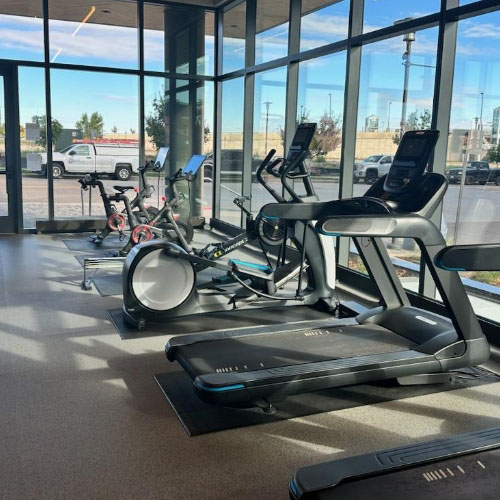
Living with arthritis doesn’t mean slowing down. Movement is one of the best ways to reduce stiffness, improve joint function, and keep doing the activities you love. That’s why The Fitness Lab offers an Open Gym Membership at our Rino Clinic designed to help you stay active, safely and confidently—on your own schedule.
With 24/7 access, you can enjoy our full facility, including cardio machines, strength equipment, and turf space, in a supportive environment that prioritizes movement and recovery.
Membership Options:
- Month-to-month: $99 / month
- 6-month commitment: $89 / month
- 12-month commitment: $79 / month
- 12-month paid-in-full membership: $720 upfront ($60 / month equivalent)
- Current PT or training client rate: $50 / month
- Drop-in daily fee: $30 / day
- 5-visit punch pass: $125
- 10-visit punch pass: $200
Why it helps:
- Gentle, regular movement can ease joint stiffness and pain
- Strength training supports better balance and mobility
- Cardio exercise improves endurance and circulation
- Access to top-tier equipment including Rogue, Matrix, Life Fitness, and Concept2
- Flexible hours let you work out when your body feels best
Limited memberships available. We cap participation to keep the gym comfortable and uncrowded for every member.
Next step: Stop by the front desk or contact our team to learn how open gym access can help you move better, feel stronger, and stay active this winter. Gym memberships are for our Rino clinic only at this time.
How Physical Therapy Can Help You Alleviate Pelvic Pain
Are you struggling with pelvic pain and seeking an effective, non-invasive treatment to restore your quality of life? Look no further. At The Fitness Lab, our expert physical therapists in Highlands Ranch, Parker, Denver and Greenwood Village, CO are dedicated to helping you overcome pelvic pain and embrace a pain-free future using evidence-based pelvic physical therapy techniques.
Pelvic pain is a common yet often misunderstood issue affecting both men and women. It encompasses discomfort or pain in the lower abdomen, genitals, or lower back, often caused by dysfunction in the pelvic region’s muscles, nerves, or joints.
Pelvic physical therapy addresses a wide range of conditions, such as:
- Pelvic floor dysfunction
- Interstitial cystitis
- Endometriosis
- Prostatitis
- Pudendal neuralgia
According to research, pelvic physical therapy is a highly effective treatment that significantly improves 70-80% of patients experiencing pelvic floor disorders. By employing a comprehensive approach to pelvic health, our physical therapists work closely with you to create a tailored treatment plan that addresses your unique needs and goals.
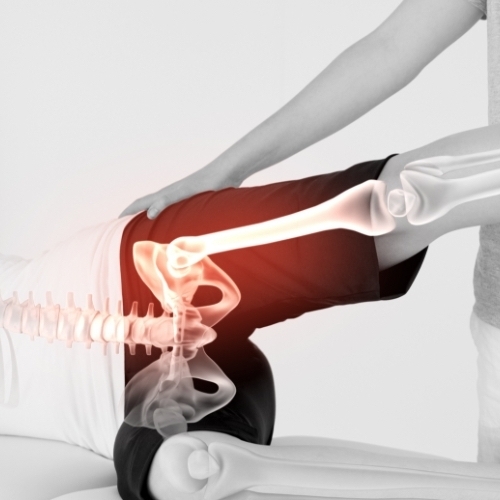
Common limitations and symptoms associated with pelvic pain conditions include urinary and bowel dysfunction, sexual dysfunction, and chronic pain. At The Fitness Lab, our skilled physical therapists utilize various techniques, such as manual therapy, biofeedback, and therapeutic exercise, to alleviate these symptoms and improve overall well-being.
Take control of your pelvic health today by choosing The Fitness Lab for your physical therapy needs. Contact us today to schedule an appointment!
Patient Testimonial
“I have an autoimmune disease that affects my spine and peripheral joints, and my hips were being negatively affected by this condition. I went to PT at Fitness Lab and worked with Reilly, and she was absolutely incredible. Not only did she help me get stronger and help my hips, but she gave me so many pointers on how to improve my posture and how to increase my flexibility. As much as I was happy to “graduate” from PT, I will miss my appointments with Reilly. Her guidance and expertise were invaluable. I definitely recommend Fitness Lab for your PT needs.”
—M. H.
Exercise of the Month
Bent Over Rows
(Upper Back, Shoulders)
Hold a weight in your hand. Slightly bend your knees and bend at your waist to bring your torso forward. Make sure your back remains flat and about parallel to the floor. Pull the weight towards you. Make sure your elbows stay close to your body. Slowly return to the starting position. 3 Sets, 10 Reps. (Materials needed: dumbbells)

Avocado Toast with Egg
- 1 slice of whole-grain bread (toasted)
- 1/2 ripe avocado
- 1 egg (poached, fried, or hard-boiled)
- Salt, pepper, and red pepper flakes (optional) to taste
- A squeeze of lemon juice
Instructions:
- Toast the bread: Toast your slice of whole-grain bread until golden brown.
- Mash the avocado: While the bread is toasting, mash the avocado in a small bowl with a fork. Mix in a squeeze of lemon juice and a pinch of salt and pepper.
- Cook the egg: Cook your egg to your preference (poached or fried in a little olive oil works well).
- Assemble: Spread the mashed avocado onto the toast. Top with the cooked egg.
- Season: Sprinkle with a little more salt, pepper, and red pepper flakes if you like a kick. Enjoy!
Why it’s heart-healthy:
Egg: Provides high-quality protein.
Whole grains: Good source of fiber.
Avocado: Loaded with heart-healthy monounsaturated fats.
Our Team

Matt Oster
MS, NKT, MEP

Dr. Bill Gregoire
Clinic Manager, PT, DPT

Dr. Spencer Barnes
PT, DPT, OCS

Dr. Alex Brateman
PT, DPT

Dr. Laike Damman
PT, DPT

Dr. Alice M Davis
PT, DPT, OCS, FAAOMPT

Dr. Connor Devin
PT, DPT
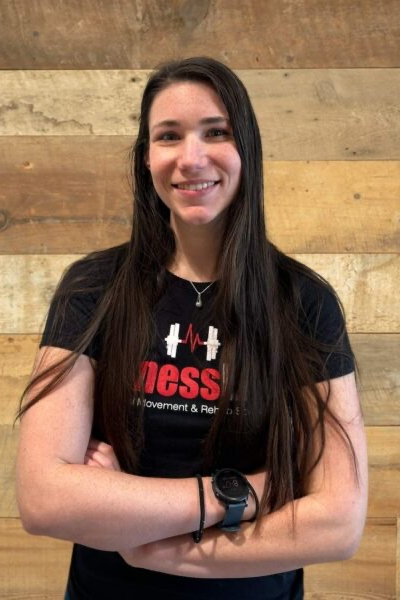
Dr. Kaitlyn Dobbertin
PT, DPT, CSCS, SCS

Dr. Kamryn Klepper
PT, DPT
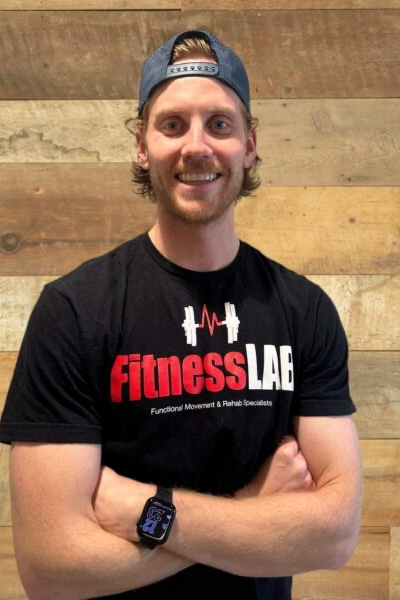
Dr. John Lee
PT, DPT, OCS

Dr. Colton Litle
PT, DPT
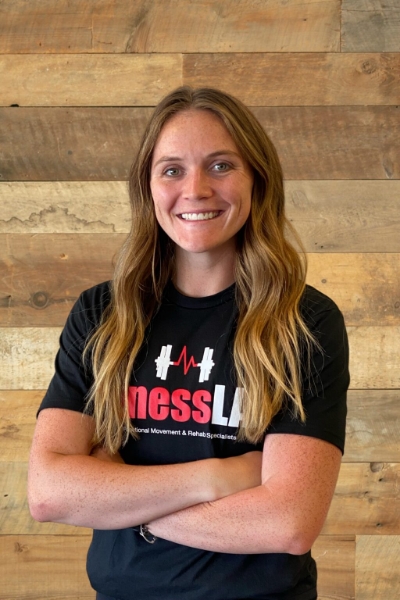
Dr. Caroline Marnin
PT, DPT

Dianna Cole McNitt
PT, COMT

Dr. Allison Shane
PT, DPT, OCS, FAAOMPT
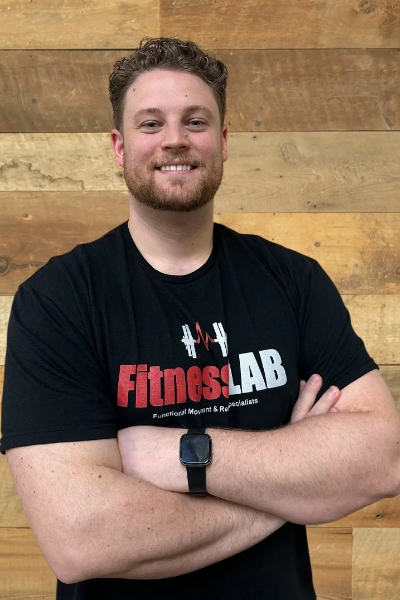
Dr. Hayden Ray
PT, DPT

Dr. Reilly Reed
PT, DPT

Dr. Melanie Kos
PT, DPT
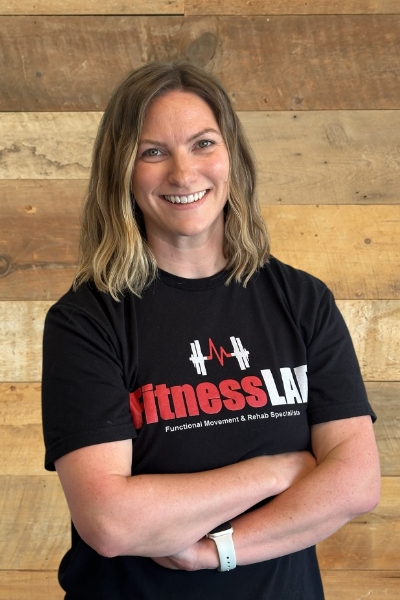
Dr. Kristen Templin
PT, DPT
Clinic / Admin
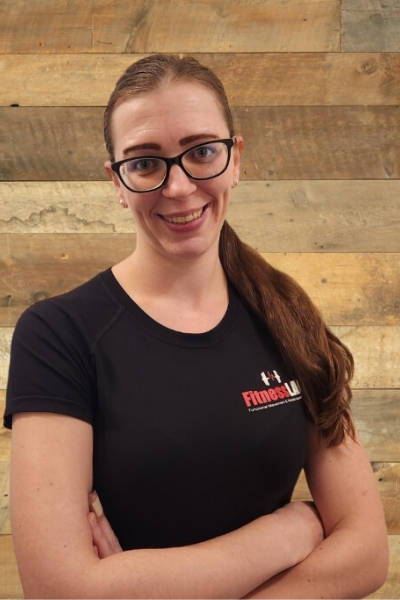
Amanda Mundt
Patient Care Coordinator

Veronica Jennings
Patient Care Coordinator

Sage Underwood
Patient Care Coordinator