
The Relationship Between Lower Back Pain and Pelvic Pain
May Newsletter
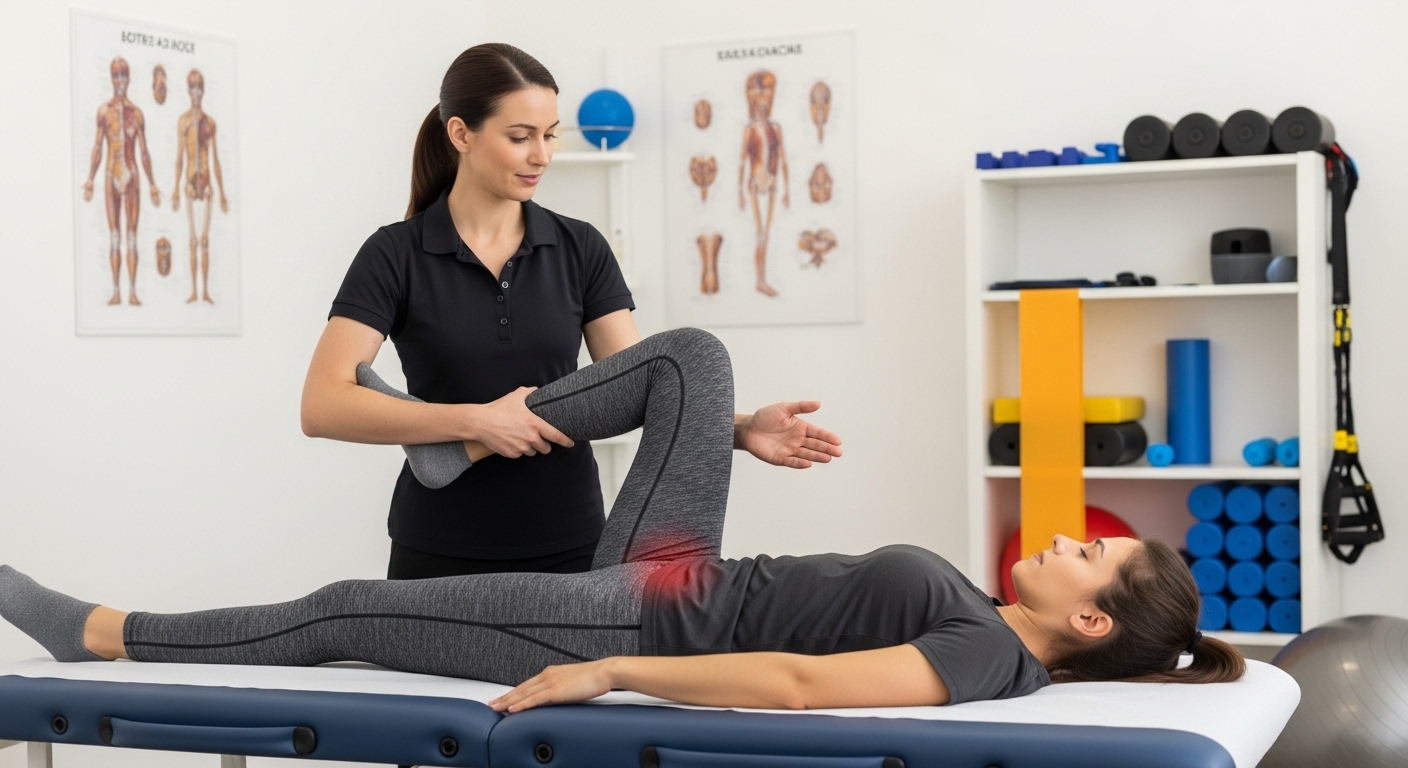
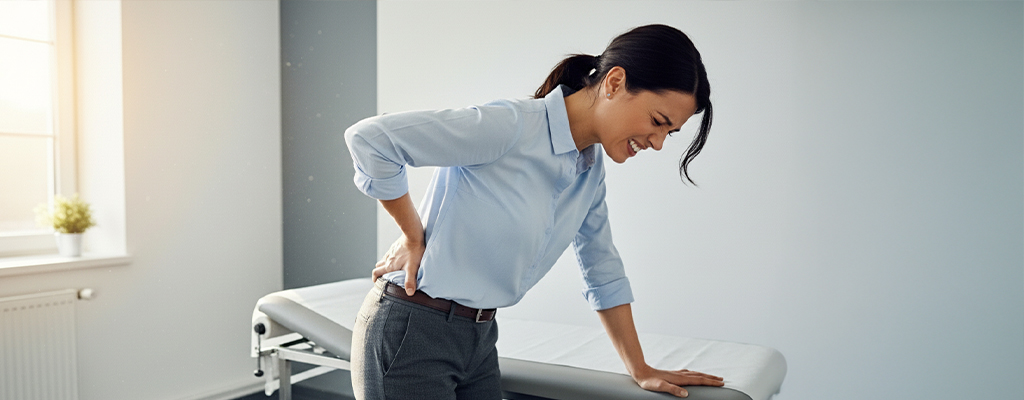
Most of us will experience back pain at some point in our lives. We might get a little too enthusiastic when moving furniture or develop muscular imbalances due to a sedentary job. But sometimes, back pain isn’t really back pain–rather, it’s rooted in dysfunction in your pelvic area.
Unfortunately, pelvic pain is often harder to discuss than back pain. It often stems from dysfunction with your pelvic floor, the band of muscles that support your bladder, bowels, and genitals. It can also indicate an issue with your sacroiliac joints.
Both back and pelvic pain can strike men and women–but women do tend to have more issues with pelvic pain, including pelvic-related back pain. Bodily changes during pregnancy are an especially common culprit.
If you’re dealing with pain in your lower back or pelvic area–or both–call The Fitness Lab to schedule an appointment. We’ll help determine the actual source of your pain so you can find lasting relief.
Understanding the Causes of Lower Back and Pelvic Pain
Lower back pain is widespread and has several potential causes, including herniated discs, sprains and strains, poor posture, and spinal arthritis–not to mention various contributing factors like poor posture or muscular weakness.
But if that pain spreads into your pelvic area, there may be something else going on. In fact, lower back pain without a clear underlying cause often stems from dysfunction in the pelvic area, such as the following:
Your center of gravity changes, and your growing baby can force your hips back at an awkward angle, leading to pain.
Impaired pelvic floor: Did you know that your pelvic floor muscles make up part of your core, which supports and stabilizes your spine? If your pelvic floor muscles are weakened or impaired, your back muscles have to do more work to compensate–setting you up for muscle strains or other injuries.
Sacroiliac joint dysfunction: The sacroiliac joint is the joint that links the spine to the pelvis, so it should be surprising that if something’s wrong there, you may feel pain in both your lower back and your pelvic area. Arthritis, injury, and pregnancy can all cause issues in the sacroiliac joint.
Pregnancy: Pregnancy itself is a common cause of pain throughout the lower back and pelvic area. There are two main reasons for this:
- Hormonal changes cause your ligaments to become looser in preparation for childbirth, which puts strain on your lower back and pelvis.
- Your center of gravity changes, and your growing baby can force your hips back at an awkward angle, leading to pain.
Helping You Find Relief, No Matter the Source
When it comes to pain in your lower back and pelvis, the first step our therapists take is to identify the source of your pain. That way, we can provide the customized treatment you need to resolve the pain at its root rather than merely treating symptoms.
We’ll begin with a comprehensive evaluation. Our therapists provide a welcoming, discreet space where you can freely share your symptoms–including pelvic-related symptoms that might feel embarrassing. Make sure you share…
- The exact location of your pain
- The pain’s sensations–is it burning? Dull? Aching?
- When do you feel pain? Is it persistent? Do you mostly notice it when you wake up?
- Any restrictions in range of motion you might be experiencing
- Any pelvic-related symptoms you might be experiencing, such as incontinence or sexual dysfunction
Once we’ve reviewed your symptoms and taken a full health history, we’ll conduct an in-depth physical evaluation, including running several movement screens. All this information helps us determine whether or not your pain is rooted in your lower back, pelvic area, or somewhere else–and that helps us develop your personalized treatment plan.
Targeted Treatments So You Can Find Relief
Our treatment plans will vary based on your exact needs. In general, though, we aim to help you with the following:
- Provide you with the tools you need to avoid future bouts of pain
- Find immediate pain relief through manual therapy techniques or gentle stretches
- Improve mobility through targeted range of motion exercises
- Strengthen any weakened or impaired muscles, whether in your back or pelvic floor
Call Us Today To Get Started!
If you’re struggling with back or pelvic pain, The Fitness Lab therapists will help you get to the bottom of things. Call to make your appointment today!
Sources: https://www.physio-pedia.com/Low_Back_Pain_and_Pregnancy, https://www.physio-pedia.com/Sacroiliac_Joint, https://pubmed.ncbi.nlm.nih.gov/36205811/
Move with Ease – Open Gym Memberships Now Available at Our Rino Clinic
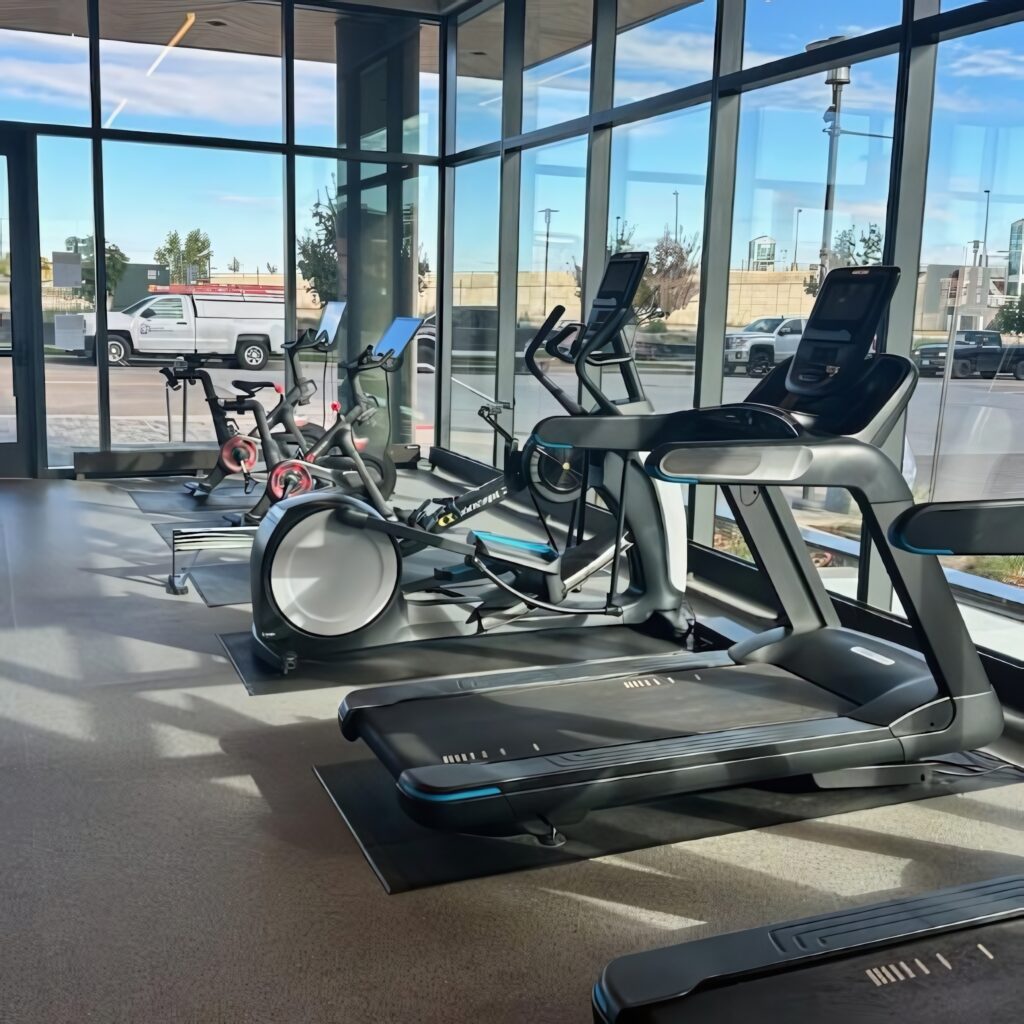
Movement is one of the best ways to reduce stiffness, improve joint function, and keep doing the activities you love. That’s why The Fitness Lab offers an Open Gym Membership at our Rino Clinic designed to help you stay active, safely and confidently—on your own schedule.
With 24/7 access, you can enjoy our full facility, including cardio machines, strength equipment, and turf space, in a supportive environment that prioritizes movement and recovery.
Membership Options:
- 10-visit punch pass: $200
- Month-to-month: $99 / month
- 6-month commitment: $89 / month
- 12-month commitment: $79 / month
- 12-month paid-in-full membership: $720 upfront ($60 / month equivalent)
- Current PT or training client rate: $50 / month
- Drop-in daily fee: $30 / day
- 5-visit punch pass: $125
Why it helps:
- Gentle, regular movement can ease joint stiffness and pain
- Strength training supports better balance and mobility
- Cardio exercise improves endurance and circulation
- Access to top-tier equipment including Rogue, Matrix, Life Fitness, and Concept2
- Flexible hours let you work out when your body feels best
Limited memberships available. We cap participation to keep the gym comfortable and uncrowded for every member.
Next step: Stop by the front desk or contact our team to learn how open gym access can help you move better, feel stronger, and stay active this winter. Gym memberships are for our Rino clinic only at this time.
A Quick Introduction to Pelvic Floor Physical Therapy
When was the last time you thought about your pelvic floor? This sling of muscles isn’t visible, but it plays a significant role in our overall health and well-being:
- It makes up part of our core muscles, which help us move better and more effectively.
- It supports our pelvic organs–bowels, bladder, and, in women, genitals.
- If it’s impaired, you can suffer a range of symptoms, from pain to sexual dysfunction.
Pelvic floor physical therapy is a specialized form of physical therapy that focuses on matters of the pelvic floor. It uses the same principles as standard physical therapy, including identifying the source of your discomfort and providing you with a personalized treatment plan.
What Can I Expect From Pelvic Floor Physical Therapy?
- Help with pelvic-related conditions such as incontinence, pelvic pain, sexual dysfunction, or pelvic prolapse.
- A discreet space where you can freely share symptoms and work with a therapist specially trained in women’s health and/or pelvic floor issues.
- Guidance in identifying the deep muscles that might be causing you issues–such as your pelvic floor, deep abdominals, or diaphragm. These muscles are not visible, so working on them can be a challenge.
- Information about using these muscles correctly and targeted exercises to stretch and strengthen them.
- Simple pelvic floor exercise plans that you can do at home.
We offer pelvic floor physical therapy here at The Fitness Lab. If you’d like to learn more about what it can do for you, call us today!
Sources
https://www.choosept.com/guide/physical-therapy-guide-pelvic-pain
Celebrate Mother’s Day with Healthy Activities
May is the perfect time to celebrate Mother’s Day health-consciously. This month, The Fitness Lab would like to help you find activities that promote physical well-being while honoring the special mothers in our lives, like:
- Take a Nature Walk: Enjoy the beauty of May by going on a nature walk or hike. It’s a great way to boost cardiovascular health and enjoy each other’s company.
- Cook a Healthy Meal: Spend time together cooking a healthy meal. It’s a fun way to promote nutritional wellness.
- Plan a Dance Party: Light-hearted and fun, dancing is an excellent way to stay active.
Use Mother’s Day as an opportunity to find activities that are fun and beneficial for your physical health. It’s a wonderful way to show your love while promoting a healthy lifestyle. Happy Mother’s Day!

Patient Testimonial
They created a tailored plan for my recovery!
“Matt at the Fitness Lab is awesome and I can’t say enough good things about him as a trainer. I came to the Fitness Lab with a long term back injury and he went above and beyond to make sure he clearly understood the injury and ensured that everything we were focusing on was beneficial and promoted long term results. He is definitely not your average trainer and he really tailors workouts to fit the individual. If you want a fun trainer who knows his stuff then Matt is your guy!”
—Lisa Q.
Exercise of the Month
Double Knees To Chest
(Lower Back, Hips)
Start on your back with your knees bent. Slowly bring both knees to your chest. Grasp your knees. Hold for 30 seconds and repeat. 1 Set, 3 Reps

Creamy Brown Butter Pumpkin Pasta
This might just be the ultimate comfort food. Pumpkin purée gets cooked down in brown butter, before being combined with mascarpone, parmesan and warm spices to make the most delicious pasta sauce. Add some crispy herby breadcrumbs and you’ve got yourself a pretty wonderful pasta dish that comes together in less than 30 minutes. It’s incredibly indulgent but we all deserve a treat once in a while!
- 1 cup day-old bread (torn or cubed)
- 2 tbsp extra-virgin olive oil
- 2 tbsp fresh chives, very thinly sliced
- 5 ½ tbsp butter
- ⅔ cup tinned or homemade pumpkin purée
- 1 tsp dried sage
- ¼ tsp ground nutmeg
- ⅔ cup mascarpone
- ⅓ cup parmigiano reggiano
- 3 cups dried pasta of choice
Instructions:
- Blitz the bread into coarse breadcrumbs using a food processor.
- Heat the olive oil in a large sauté pan set over a medium heat. Add the breadcrumbs and cook, stirring often, for 5 minutes, or until crisp and golden. Add the chives and cook, stirring often, for a further minute, then transfer to a plate for later.
- Wipe out the pan, set it over a medium heat and add the butter. Once melted, it will bubble for a couple of minutes. As the bubbles die down, the milk solids will sink to the bottom and turn brown as they caramelise. When it gets to this stage, add the pumpkin purée and stir until well-combined. It will look split at first but after a minute or two of stirring, it will come together in a smooth paste.
- Cook, stirring occasionally, for 3 minutes, then add the dried sage and ground nutmeg and cook, stirring almost constantly, for a further minute.
- Add the mascarpone and stir to melt. Season well with salt and pepper and cook for 2 minutes. Remove the pan from the heat.
- Cook your pasta in plenty of generously-salted water according to the package instructions, then drain, reserving 250ml of the pasta cooking water.
- Return the sauté pan to the stove over a medium heat. Add the drained pasta to the sauce, along with the parmigiano reggiano and half of the pasta cooking water. Toss over a medium heat until the sauce nicely coats the pasta, adding more pasta water as necessary (you’ll need more than usual as the sauce is quite thick).
- Divide between bowls, top with the crispy topping then serve – enjoy!
Our Team

Matt Oster
MS, NKT, MEP

Dr. Bill Gregoire
Clinic Manager, PT, DPT

Dr. Spencer Barnes
PT, DPT, OCS

Dr. Alex Brateman
PT, DPT
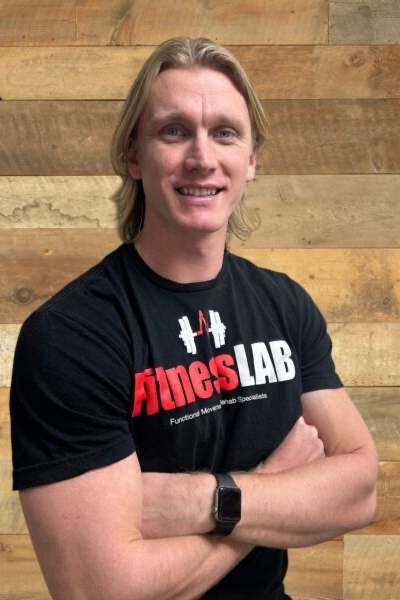
Dr. Laike Damman
PT, DPT

Dr. Alice M Davis
PT, DPT, OCS, FAAOMPT

Dr. Connor Devin
PT, DPT
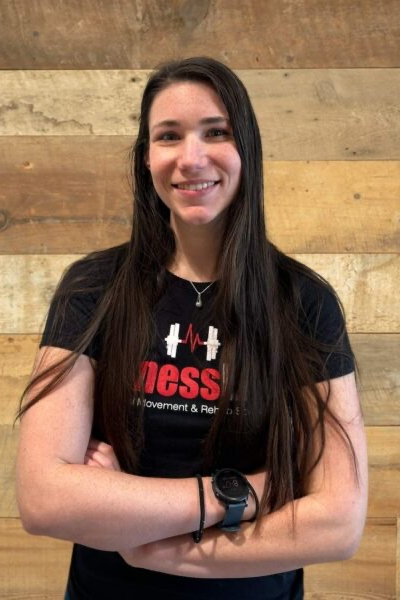
Dr. Kaitlyn Dobbertin
PT, DPT, CSCS, SCS

Dr. Kamryn Klepper
PT, DPT

Dr. John Lee
PT, DPT, OCS
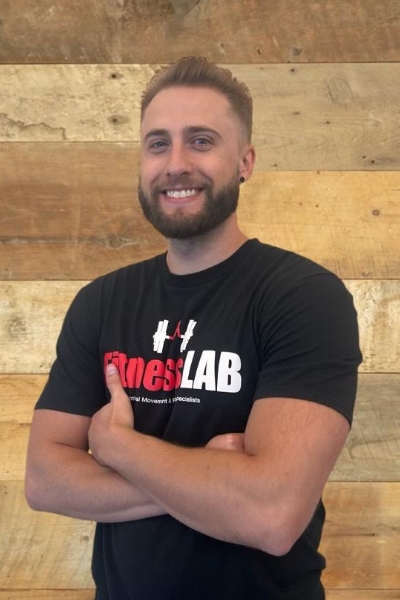
Dr. Colton Litle
PT, DPT
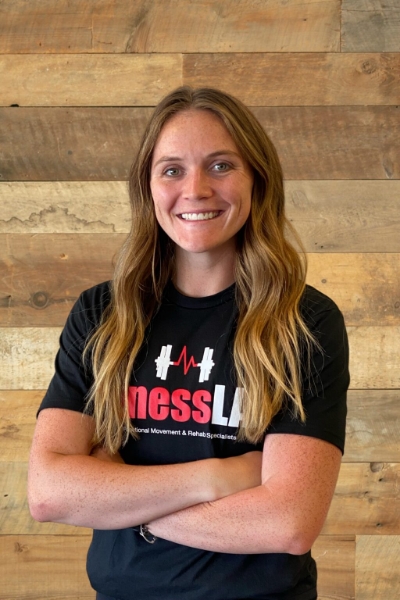
Dr. Caroline Marnin
PT, DPT

Dianna Cole McNitt
PT, COMT

Dr. Allison Shane
PT, DPT, OCS, FAAOMPT
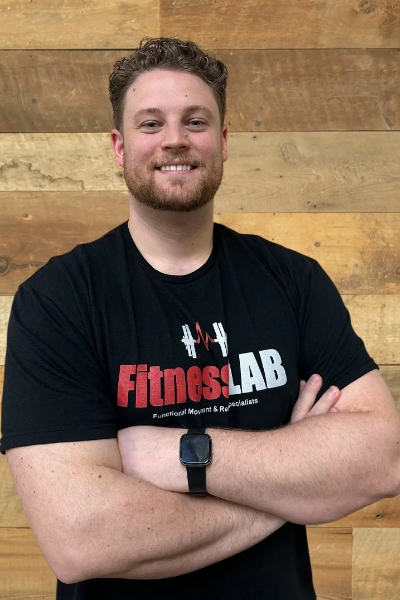
Dr. Hayden Ray
PT, DPT
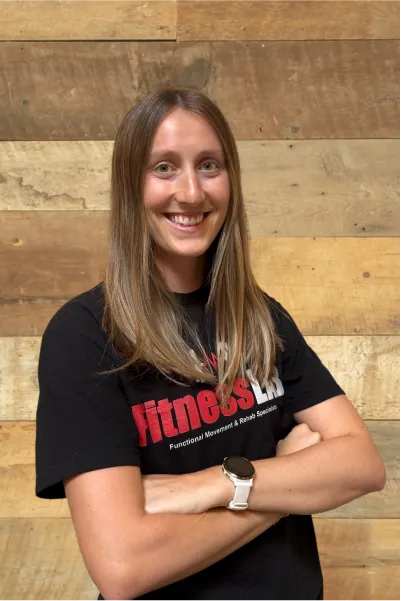
Dr. Reilly Reed
PT, DPT
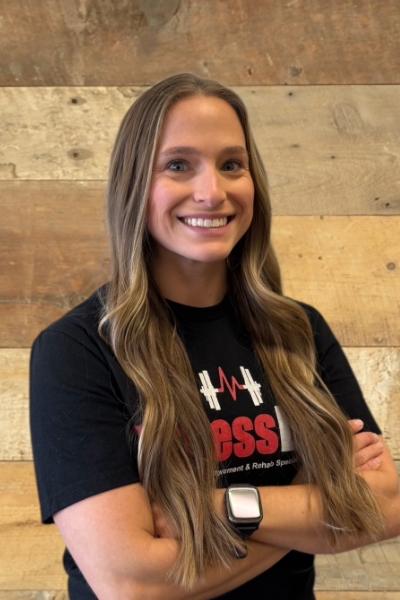
Dr. Melanie Kos
PT, DPT
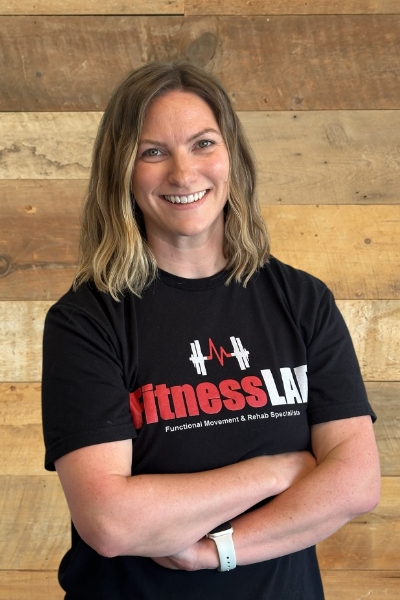
Dr. Kristen Templin
PT, DPT
Clinic / Admin
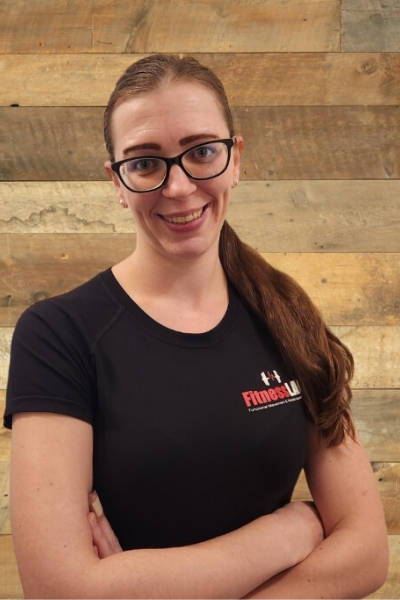
Amanda Mundt
Patient Care Coordinator
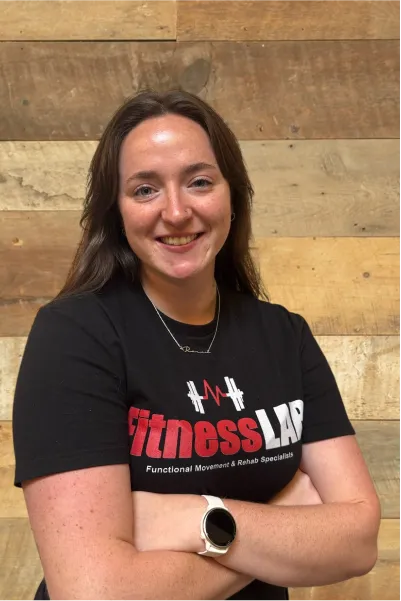
Veronica Jennings
Patient Care Coordinator
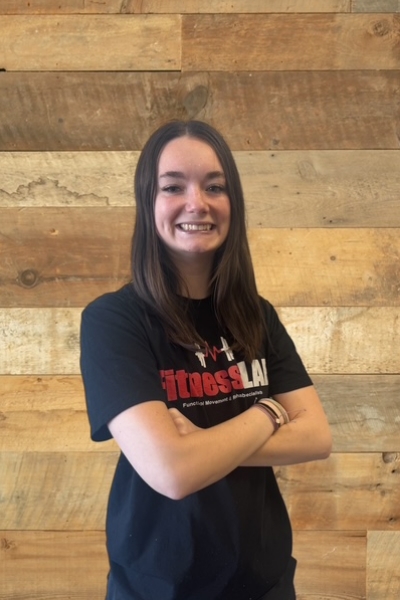
Sage Underwood
Patient Care Coordinator