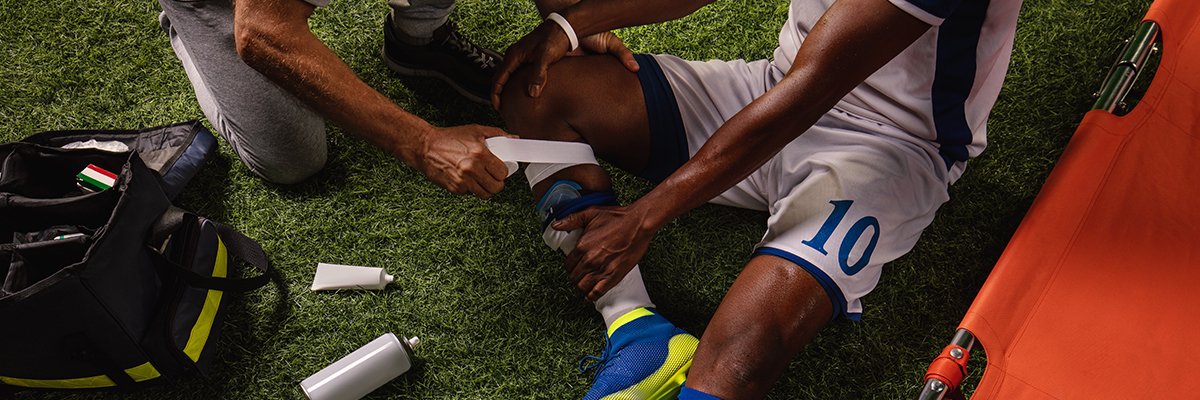

How Our Physical Therapists Can Help You Prevent Back and Neck Pain
June Newsletter
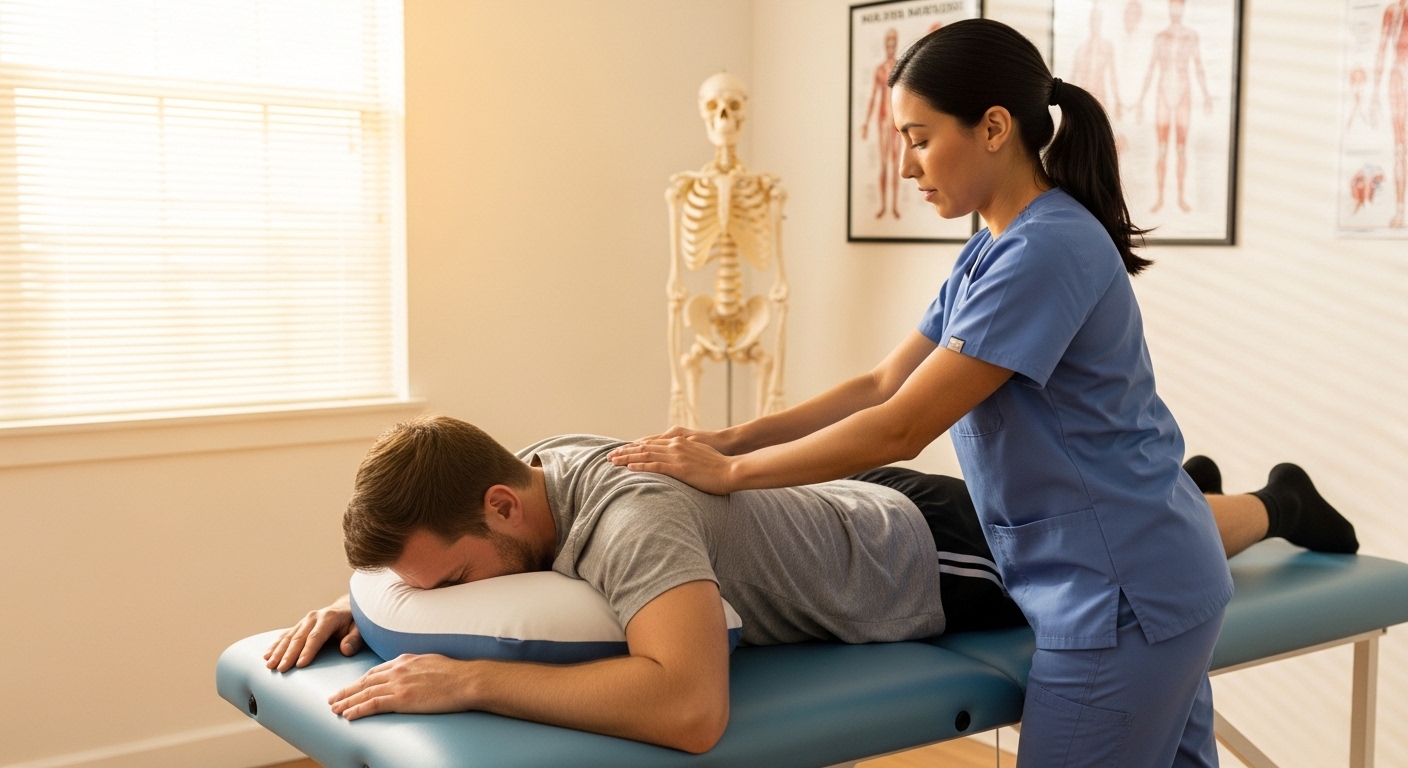
Tips & tricks to avoid back and neck pain, and how physical therapy is a solution!
Do you notice back and neck pain creeping into your daily life? Curious about ways that you can prevent or improve your symptoms? Pain in the back and neck are experienced by millions of people worldwide each year. Depending on the severity of your condition, pain can cause you to feel restricted from the activities you enjoy.
There are many reasons why people develop back and neck pain. Jobs requiring you to sit in a chair for long periods make you more susceptible to poor posture and back issues. Athletes often experience stiff muscles in the neck and back as well.
Whatever the reason, our functional medicine physical therapists at The Fitness Lab can teach you how to take preventive measures and avoid your chances of debilitating pain. We treat patients as a whole, assessing their emotional and physical health with a holistic and dynamic approach. This allows us to address all factors of health rather than just focusing on the symptoms.
Call our expert team today to book an appointment!
Relieving Back and Neck Pain With Physical Therapy
Physical therapy is one of the most effective treatments for both back and neck pain. Our functional medicine physical therapists can help you recover safely and comfortably without reliance on medication. Expected outcomes of our treatments include:
- Pain relief. With specific exercises and manual therapy, your holistic PT will help alleviate pain in the affected area and advance the healing process.
- Strengthening exercise. Physical therapists design exercise plans that are tailored to your particular needs. These will help build muscle strength in the affected area.
- Increased range of motion. PTs are movement experts who focus on increasing your body’s functionality. During sessions, your therapist will incorporate flexibility exercises into your treatment plan, which will work to increase the range of motion in your back and neck.
- Injury prevention. Patient education and injury prevention are two essential components of physical therapy. By understanding your condition and learning proper body mechanics, you will be less at risk of sustaining an injury or triggering your pain.
- Enhanced quality of life. By improving pain and range of motion, physical therapy can help you return to work, school, recreational activities, and daily tasks.
Tips & Tricks to Avoid Back and Neck Pain
Practice good posture
Poor posture is one of the most common causes of back and neck pain. For example, when staring down at your phone for an extended period of time, you’re more than likely going to experience pain at the base of your neck. While this may be temporary, repetitive neck positions can cause persistent pain.
When standing and sitting, place your shoulders in a straight line over your hips so your shoulders aren’t curled forward. When using devices such as a phone or tablet, try to keep your head up and avoid looking down at the screen. You can also adjust the heights of your desk, chair, and computer so that the device is at eye level.
Take breaks
If you’re traveling, working at a computer, or engaging in any other activity that involves sitting for long periods of time, make sure to take frequent breaks where you can move around and stretch.
Sleep in a healthy position
Unnatural sleep positions are another common reason for neck and back pain. Instead of curling up, try to sleep with your head and neck in alignment with your body. Consider propping a small pillow under your neck for additional support.
Stay active
People who aren’t active often experience muscle weakness, stiffness, and pain. Be sure to exercise regularly throughout the week, whether it’s low-impact workouts or something a little more intense. Any kind of exercise is incredibly beneficial for the body and will help reduce and prevent pain in the long run.
Consume healthy, non-inflammatory foods
Unhealthy levels of inflammation in the body can trigger or worsen pain. Studies have shown that foods such as processed meats, white bread, and fried foods can cause inflammatory reactions that contribute to cardiovascular health, weight, infection, and disease.
Rather than consuming processed snacks and meals, try fueling up on foods such as leafy green vegetables, oily fish, lean meat, berries, and nuts.
Ready to Feel Healthier, Stronger, and Free of Pain?
Whether you’ve been dealing with chronic pain or you’re just curious to learn more about pain prevention, our team at The Fitness Lab is here to help! Our therapists can help you recover from various conditions and guide you to a happier, healthier life.
Call us today to get started and book your first appointment!
Sources: https://www.health.harvard.edu/staying-healthy/foods-that-fight-inflammation, https://www.webmd.com/arthritis/about-inflammation#:~:text=When%20inflammation%20happens%2C%20chemicals%20from,your%20tissues%2C%20resulting%20in%20swelling, https://www.spine-health.com/blog/10-tips-prevent-neck-pain, https://www.hopkinsmedicine.org/health/conditions-and-diseases/back-pain, https://pubmed.ncbi.nlm.nih.gov/26400429/
Move with Ease – Open Gym Memberships Now Available at Our Rino Clinic
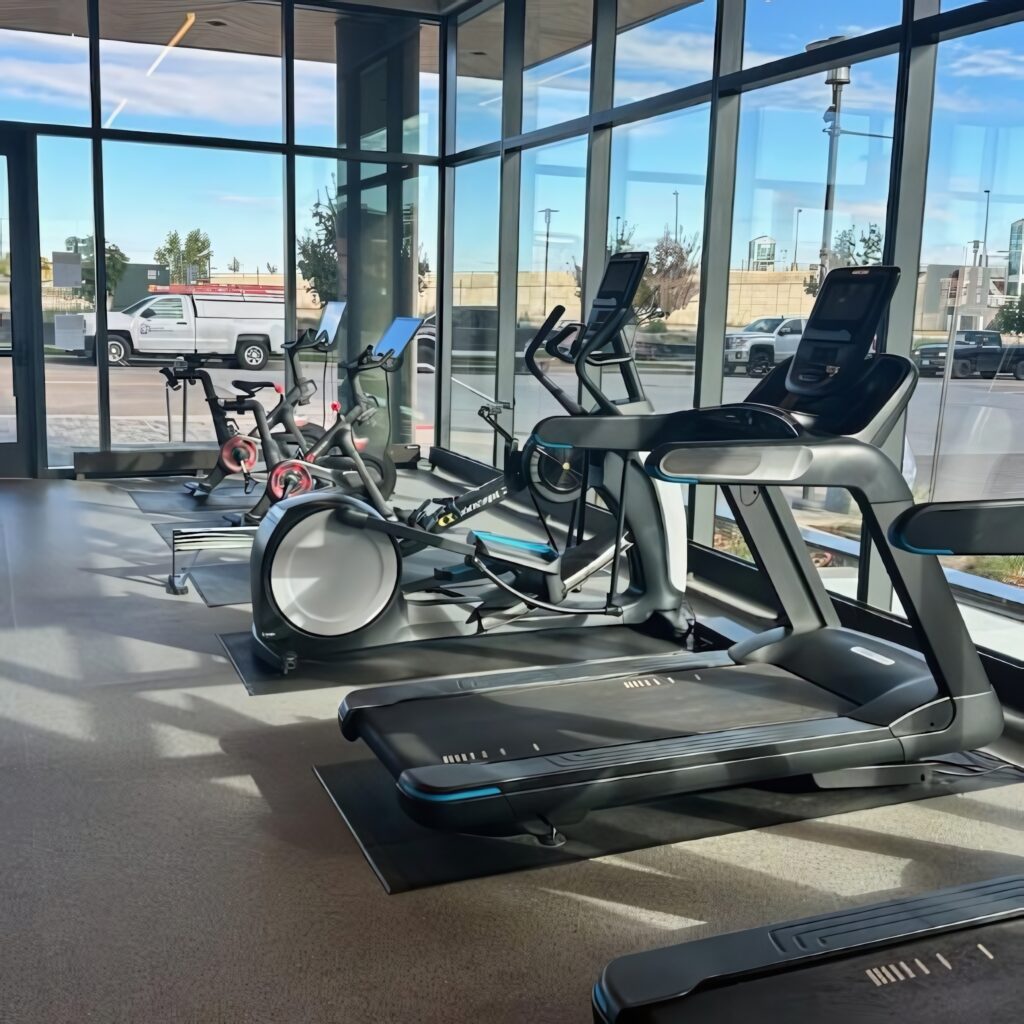
Movement is one of the best ways to reduce stiffness, improve joint function, and keep doing the activities you love. That’s why The Fitness Lab offers an Open Gym Membership at our Rino Clinic designed to help you stay active, safely and confidently—on your own schedule.
With 24/7 access, you can enjoy our full facility, including cardio machines, strength equipment, and turf space, in a supportive environment that prioritizes movement and recovery.
Membership Options:
- 10-visit punch pass: $200
- Month-to-month: $99 / month
- 6-month commitment: $89 / month
- 12-month commitment: $79 / month
- 12-month paid-in-full membership: $720 upfront ($60 / month equivalent)
- Current PT or training client rate: $50 / month
- Drop-in daily fee: $30 / day
- 5-visit punch pass: $125
Why it helps:
- Gentle, regular movement can ease joint stiffness and pain
- Strength training supports better balance and mobility
- Cardio exercise improves endurance and circulation
- Access to top-tier equipment including Rogue, Matrix, Life Fitness, and Concept2
- Flexible hours let you work out when your body feels best
Limited memberships available. We cap participation to keep the gym comfortable and uncrowded for every member.
Next step: Stop by the front desk or contact our team to learn how open gym access can help you move better, feel stronger, and stay active this winter. Gym memberships are for our Rino clinic only at this time.
Combining Dry Needling with Physical Therapy: A Powerful Duo for Recovery
Meet Jane (not her real name), a dedicated runner sidelined by persistent knee pain. It affected her daily life, from running errands to enjoying her favorite sport. She’s tried various treatments, but nothing seemed to work. That’s where the combination of dry needling and physical therapy came in. This powerful duo was a game-changer for Jane and many others who have experienced similar pain.
Ready to get started with dry needling combined with physical therapy for pain relief? Call our team at The Fitness Lab today to learn more!

How Dry Needling and Physical Therapy Work Together to Treat Various Conditions
Dry needling and physical therapy often complement each other in treating numerous musculoskeletal conditions. When used together, these techniques can be particularly effective in reducing pain, improving mobility, and accelerating recovery.
Conditions that Dry Needling and Physical Therapy Can Benefit
Chronic Pain Conditions
- Conditions like fibromyalgia, chronic back pain, and tension headaches can significantly benefit from a combined approach of dry needling and physical therapy. Dry needling helps to release myofascial trigger points that contribute to chronic pain, while physical therapy addresses underlying weaknesses and imbalances through targeted exercises, manual therapy, and education on proper movement techniques.
Tendinitis and Tendinopathies
- Tendinitis, such as rotator cuff tendinitis or Achilles tendinitis, can be treated effectively with dry needling and physical therapy. Dry needling reduces inflammation and releases tight muscles around the affected tendon, while physical therapy focuses on restoring strength and flexibility in the surrounding muscles and improving joint stability.
Sports Injuries
- Athletes often experience injuries, commonly muscle strains, ligament sprains, and overuse injuries. Dry needling can help alleviate muscle tightness and pain, allowing athletes to return to training more quickly. Physical therapy then helps rehabilitate the injured area, preventing future injuries by addressing biomechanical issues and strengthening the muscles and joints involved in the sport.
Post-Surgical Rehabilitation
- After surgery, particularly orthopedic procedures like ACL reconstruction or rotator cuff repair, patients may experience muscle stiffness, pain, and limited range of motion. Dry needling can help reduce post-surgical muscle tension and pain, making it easier for patients to participate in physical therapy. Physical therapy, in turn, focuses on restoring strength, flexibility, and functional movement, ensuring a successful recovery.
Joint Pain and Arthritis
- Conditions like osteoarthritis and rheumatoid arthritis can cause significant joint pain and stiffness. Dry needling can help reduce muscle tension around the joints, providing pain relief. Physical therapy helps to improve joint mobility, strengthen the surrounding muscles, and educate patients on managing their condition through exercise and lifestyle modifications.
Neck and Shoulder Pain
- Conditions such as cervical radiculopathy, frozen shoulder, and shoulder impingement often involve muscle tightness and restricted movement. Dry needling can release trigger points in the neck and shoulder muscles, while physical therapy focuses on restoring movement patterns, improving posture, and strengthening the muscles that support the neck and shoulders.
Headaches and Migraines
- Tension headaches and certain migraines can be linked to tight muscles and trigger points in the neck and upper back. Dry needling can effectively relieve this muscle tension, and physical therapy can help improve posture, strengthen supporting muscles, and reduce the frequency and intensity of headaches.
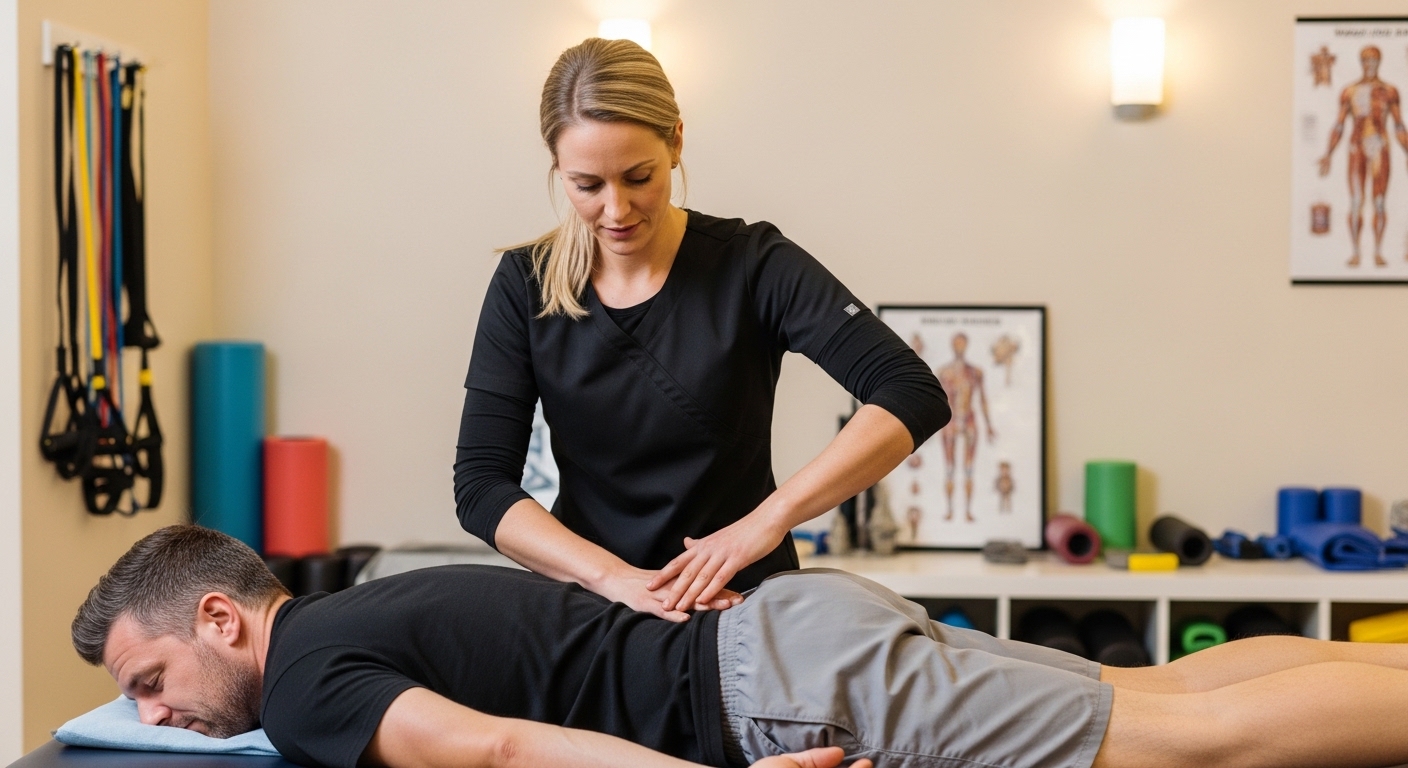
How Dry Needling Combined with Physical Therapy Can Help You
Combining dry needling with physical therapy can be a highly effective approach to managing and reducing pain. Dry needling involves inserting thin needles into trigger points within the muscles to release tension and improve blood flow. This technique can significantly reduce pain and improve muscle function.
When combined with physical therapy, the benefits multiply. Physical therapists use various methods to address pain, improve mobility, and strengthen the affected areas. Patients can expect a comprehensive treatment plan.
Techniques Commonly Seen in a Physical Therapy Plan
Manual Therapy
- Manual therapy involves hands-on techniques, such as soft tissue manipulation, joint mobilization, and myofascial release, performed by a physical therapist. These techniques help reduce muscle tension, improve circulation, and enhance tissue healing. Manual therapy can be particularly effective for breaking up scar tissue, improving range of motion, and relieving pain in areas affected by injury or chronic conditions.
Targeted Exercises
- Targeted exercises help to address weaknesses, imbalances, and stiffness in the muscles and joints. These exercises typically focus on restoring strength to weakened areas and improving flexibility in tight muscles. They are essential for promoting recovery, enhancing functional mobility, and preventing future injuries by ensuring the muscles and joints work together more efficiently.
Education
- Physical therapists educate patients on proper movement techniques to reduce the risk of re-injury. This education often includes instruction on body mechanics, posture, and ergonomics. By teaching patients how to move safely and efficiently during daily activities, work, and exercise, physical therapists help prevent the recurrence of injuries and promote long-term musculoskeletal health.
Dry Needling
- Dry needling is a technique used to target myofascial trigger points, commonly known as muscle knots, that cause pain and limit movement. By inserting thin needles into these trigger points, the physical therapist can help release tension, increase blood flow, and reduce pain. Dry needling is particularly effective for treating chronic pain, muscle stiffness, and conditions, including tendinitis and tension headaches.
Take the First Step Towards Pain Relief Today with The Fitness Lab
Our team is highly trained and experienced in these techniques. We ensure that every treatment plan is tailored to your needs and goals, helping you return to your normal activities quickly and safely. We’re here to listen to your concerns, answer your questions, and work with you to achieve the best possible outcomes. If you’re experiencing pain, don’t wait to seek relief.
Call us to learn more about dry needling and physical therapy. Learn if this treatment is for you and take the first step towards a pain-free life today!
Patient Testimonial
They created a tailored plan for my recovery!
“Hayden has been my PT through my recovery after a knee surgery. He is extremely understanding and very knowledgeable. I appreciate him and would recommend to anyone! Ronnie has also always been helpful with scheduling and any questions I have!”
—Rylie G.
Get Ready for Marathon Season with The Fitness Lab
Prepping for a marathon requires a lot more than just logging miles. Your training needs to help you build a body that can handle the demands of intense, long-distance running. Fortunately, the The Fitness Lab team is here to help.

Five Ways We Can Help You Get Ready for the Starting Line
Movement Assessments to Catch Early Issues
- Subtle imbalances, like limited ankle mobility or weak glutes, can lead to pain and dysfunction over time. A comprehensive assessment helps identify and correct these before they become bigger problems.
Manual Therapy for Mobility and Recovery
- Hands-on techniques can improve tissue mobility and decrease stiffness. This supports better stride mechanics and helps you recover between runs.
Strength Training for Injury Prevention
- Targeted strengthening, especially of the glutes, core, and calves, helps reduce joint strain and improve running efficiency, both of which play a major role in lowering injury risk and improving performance.
Load Management and Smart Progression
- Gradually increasing mileage and intensity is essential for smart marathon training, as it allows tissues to adapt. Sudden spikes in training are a leading cause of overuse injuries, such as tendonopathy.
Neuromuscular Training
- Drills that improve coordination and balance help your body absorb impact more efficiently and optimize your running economy as fatigue sets in.
Ready to Run Stronger?
The key to a successful marathon season is ample training time–and the right kind of training. The The Fitness Lab team can help you build a marathon training program that supports both performance and long-term health.
Ready to feel stronger with every mile? Schedule an initial session today and take the next step toward a successful race season.
Make the Most of Your Warm-Ups and Cool-Downs
Protect Your Joints and Improve Performance
We know you’re eager to start your workout, but jumping straight into high-intensity activity can increase your risk of pain, stiffness, and injury. For that matter, so can skipping recovery at the end!
That’s why a structured warm-up and cool-down are essential for good health and performance.

Warm-Ups: Prepare Your Body to Perform
A good warm-up increases blood flow, improves joint mobility, and activates key muscles.
Start with light aerobic movement.
- 5–10 minutes of walking, cycling, or light jogging raises body temperature and prepares tissues for activity.
Incorporate dynamic stretching.
- Movements like leg swings or arm circles improve range of motion without reducing strength, helping the joints move more freely.
Practice workout-related movement patterns.
- Rehearse the specific movements you’ll be doing during your workouts. This improves neuromuscular control while ensuring you activate the key muscle groups you’ll be using.
Cool-Downs: Support Recovery and Reduce Stiffness
Cooling down helps your body shift out of high-intensity mode and begin recovery.
Gradually lower intensity.
- Slow walking or gentle cycling helps regulate heart rate and circulation.
Incorporate static stretching.
- Cool-downs are the place for static stretches. Hold stretches for major muscle groups 20–30 seconds to help reduce muscle tightness and improve flexibility over time.
Address problem areas early.
- Foam rolling or guided mobility work can improve tissue quality in areas you know tend to be sore.
Stay Consistent to Stay Active
Small changes in how you start and finish your workouts can make a measurable difference in your performance. However, if pain or stiffness persists, the The Fitness Lab team can identify the cause and guide your plan. Schedule an appointment to learn more.
Exercise of the Month
Hamstring Stretch (Hamstrings, Low Back)
Sit on the floor with legs extended straight in front of you. Loop an exercise band around the ball of your foot and gently pull back on the band while keeping your back straight. You should feel a stretch in the back of your thigh. Hold, then switch sides. 3 Sets, 30-Second Hold (each leg). (Materials needed: exercise band, floor mat)

30 Minute Honey Garlic Chicken.
Easy, homemade crispy chicken tossed in a spicy-sweet honey garlic sauce. Serve this dish with asparagus, broccoli, or a combination of the two, cooked up right alongside the chicken.
Ingredients:
- 2 pounds chicken breasts or thighs, cut into cubes
- 1 tablespoon garlic powder
- black pepper and chile flakes
- 1/4 cup flour or gluten-free flour
- 4 tablespoons extra virgin olive oil
- 3 cups broccoli florets or chopped asparagus
- sesame seeds, for serving
Honey Garlic Sauce:
- 1/3 cup tamari or soy sauce
- 2 tablespoons lemon juice
- 3 tablespoons honey
- 6 cloves garlic, grated
- 3-4 tablespoons chili paste (gochjang) (gochujang)
- 2 tablespoons chopped green onion
- 1 tablespoon toasted sesame oil
Instructions:
- Preheat the oven to 450° F. Line a baking sheet with parchment paper or rub with oil.
- On the sheet pan, mix the chicken, garlic powder, pepper, and chile flakes. Add the flour and toss again. Add 2 tablespoons olive oil, tossing to coat. Arrange the chicken to one side of the baking sheet. Add the broccoli/asparagus to the other side. Toss with olive oil, salt, and pepper. Bake for 10-15 minutes until the chicken is cooked through.
- Meanwhile, make the sauce. In a bowl or glass jar, combine all ingredients.
- Remove the vegetables from the sheet pan. Then pour the honey garlic sauce over the chicken and toss the chicken up in the sauce. Bake for another 5 minutes, until the sauce is baked onto the chicken.
- Serve the chicken, vegetables, and honey garlic sauce with green onions and toasted sesame seeds. I love this over rice, but it’s also great as an appetizer too!
Our Team

Matt Oster
MS, NKT, MEP

Dr. Bill Gregoire
Clinic Manager, PT, DPT

Dr. Spencer Barnes
PT, DPT, OCS

Dr. Alex Brateman
PT, DPT

Dr. Laike Damman
PT, DPT

Dr. Alice M Davis
PT, DPT, OCS, FAAOMPT

Dr. Connor Devin
PT, DPT
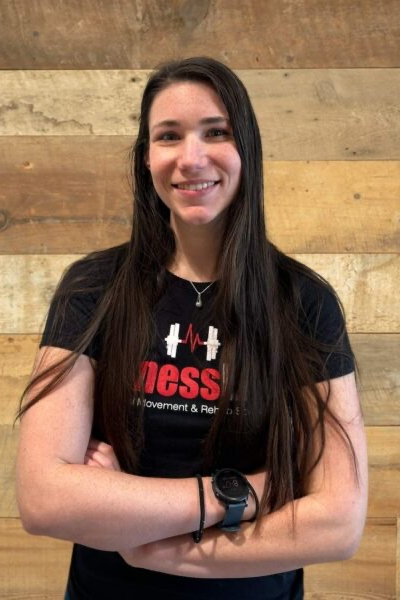
Dr. Kaitlyn Dobbertin
PT, DPT, CSCS, SCS

Dr. Kamryn Klepper
PT, DPT

Dr. John Lee
PT, DPT, OCS

Dr. Colton Litle
PT, DPT
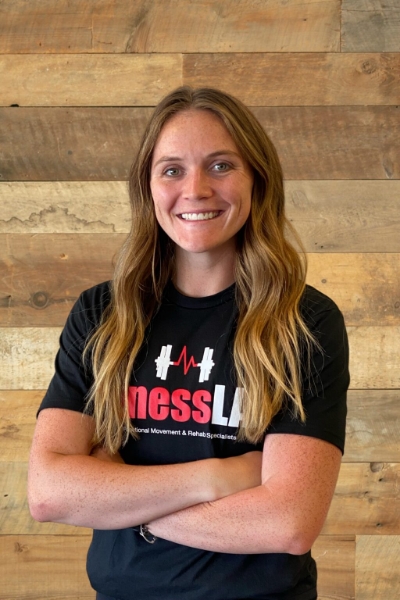
Dr. Caroline Marnin
PT, DPT

Dianna Cole McNitt
PT, COMT

Dr. Allison Shane
PT, DPT, OCS, FAAOMPT
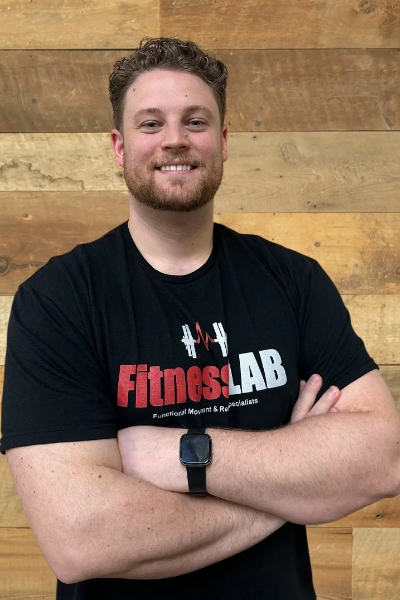
Dr. Hayden Ray
PT, DPT

Dr. Reilly Reed
PT, DPT

Dr. Melanie Kos
PT, DPT
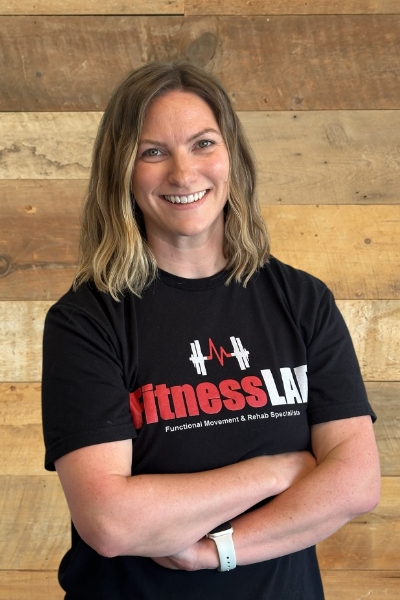
Dr. Kristen Templin
PT, DPT
Clinic / Admin
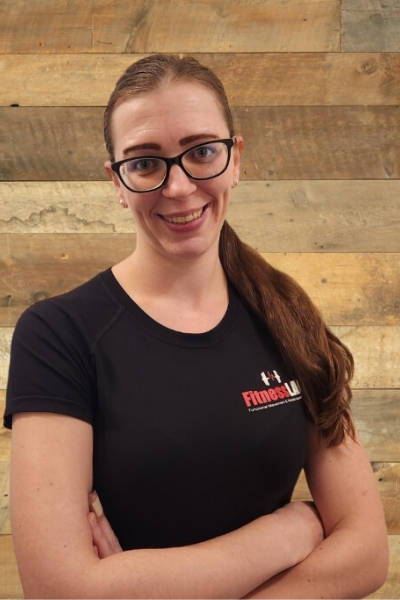
Amanda Mundt
Patient Care Coordinator

Veronica Jennings
Patient Care Coordinator
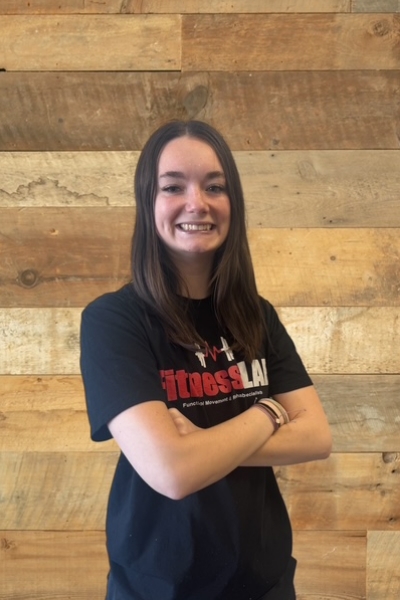
Sage Underwood
Patient Care Coordinator