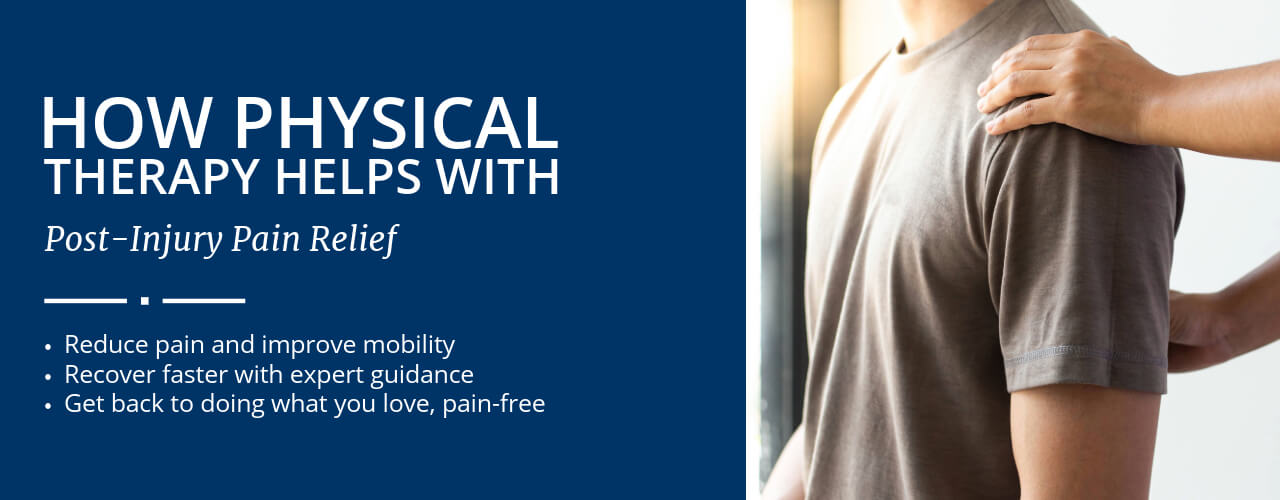
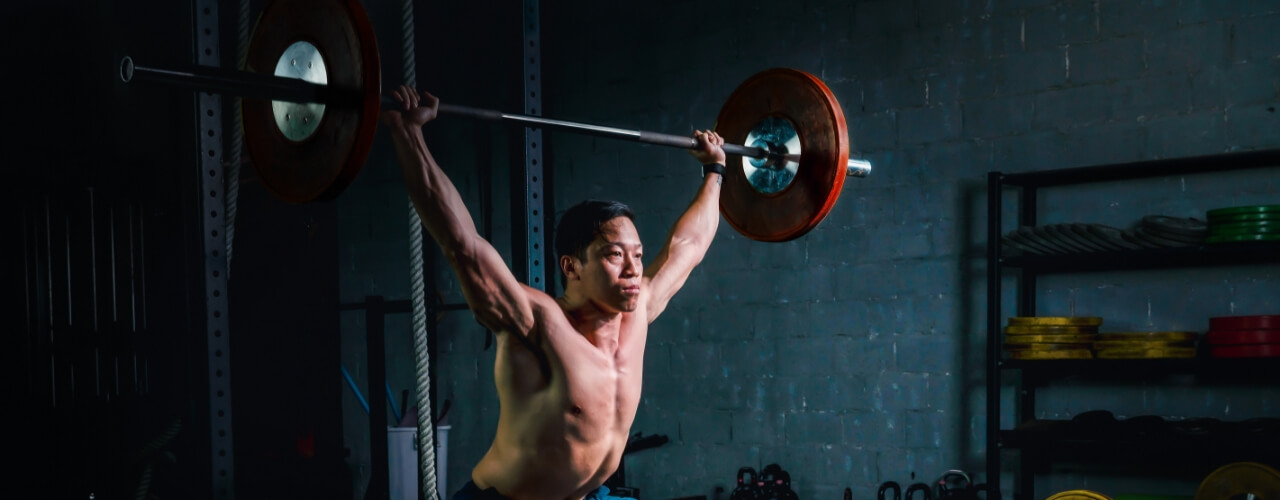
Recovery can be challenging, but we’ll have you back to beating those PRs in no time!
Were you going hard in the gym, trying to beat your personal best–only for a sharp, shooting pain to suddenly radiate through your back, shoulder, and knee? Injuries happen, even if you try to use perfect form every time. Fortunately, the physical therapists at The Fitness LAB can help get you back in the weight room.
Weightlifting is a fantastic form of exercise. It builds strength and muscle mass, helping to boost metabolism and improve your heart health. However, it’s not without its risks, particularly when lifting heavy.
At The Fitness LAB, we’re experts in movement and body mechanics, and we can help even the most seasoned weightlifters recover after injury. If you’re struggling with a weightlifting-related injury, whether it’s a strained muscle or pain in your lower back, we can help.
Common weightlifting injuries
Most weightlifting injuries are caused by muscle strains, whether through overuse or by lifting more than you can handle. Certain areas are more prone to these strains, especially the back, shoulders, and knees, although bicep strains also make up a significant portion of weightlifting injuries.
A muscle strain is an injury to a muscle or a tendon, the tissue connecting your muscles to your bones. In mild cases, the tissue may simply be overstretched, but in more extreme cases, the tissue might be torn. Symptoms of a muscle strain include:
- Pain
- Muscle spasms
- Redness, bruising, or swelling
- Limited range of motion
- Muscle weakness
Weightlifters are also at risk for herniated discs, in which one of the discs between the vertebrate bulges out, causing pain and weakness in the lower extremities. However, using proper form when lifting significantly reduces your risk of developing a herniated disc.
The role of physical therapy in recovering from a weightlifting injury
The first step in treatment for muscle strains is generally resting the injured area and icing it to help reduce pain. However, physical therapy at The Fitness LAB offers treatment beyond the basics, allowing you to recover safely and efficiently.
Your exact treatment option will depend on your specific needs and goals, but our therapists will likely recommend one or more of the following:
- Pain management: If you’re struggling with pain, our therapists can advise you on a variety of pain management solutions.
- Manual therapy: This hands-on treatment involves gently manipulating the muscles to encourage healing.
- Mobility exercises: Muscle strains often make the muscles feel stiff and, over time, can lead to a reduced range of motion. Our therapists will help you gently work the affected muscle, so you don’t lose functionality during the rehabilitation–plus, this mobility work will help encourage the healing process.
- Return-to-sport schedule: We know how eager you are to return to lifting. Our therapists will help you do so safely, providing progressive exercises and modifications to ensure you don’t re-injure yourself.
The physical therapists at The Fitness LAB are experts in the musculoskeletal system with a keen understanding of the ways that system can be injured. We’ll evaluate your symptoms, determine the exact cause of your injury, and provide a customized treatment program to get you back in the gym faster.
What to expect from your appointment at The Fitness LAB
If you suspect you’ve strained a muscle, make an appointment with us as quickly as possible! The sooner you begin treatment, the sooner you can return to the gym.
At your initial appointment, one of our physical therapists will conduct a comprehensive physical exam so we can determine the exact nature of your injury. We’ll also talk to you about your health history and recovery goals. This information will help us develop the best possible treatment option for you.
The exact details of your treatment plan will vary, but you can expect a stretching and gentle strengthening regimen to facilitate healing. Our therapists will walk you through the exercises at subsequent appointments, ensuring you’re doing them safely and correctly.
If needed, we can also speak with you about proper lifting techniques and help explain lifting mechanics, giving you stronger insight into your sport.
Schedule an appointment with The Fitness LAB today!
It’s important not to let muscle strains–or any weightlifting injury–linger. If you’ve hurt yourself in the gym, schedule an appointment with The Fitness LAB and learn how physical therapy can make you a better, stronger, injury-free lifter.