While many people associate physical therapy with injury recovery, it’s also a powerful tool for athletic performance enhancement. Whether you’re training for a marathon, gearing up for the next big game, or simply looking to level up your workouts, PT may be the key to unlocking your full potential.
By focusing on strength, mobility, injury prevention, and movement mechanics, the team at The Fitness Lab helps athletes move smarter and perform better.
Five Common Questions about Physical Therapy and Athletic Performance
How Does Physical Therapy Improve Athletic Performance?
Different sports have different demands, and so not all athletes move the same. When it comes to athletic performance enhancement, customization is key.
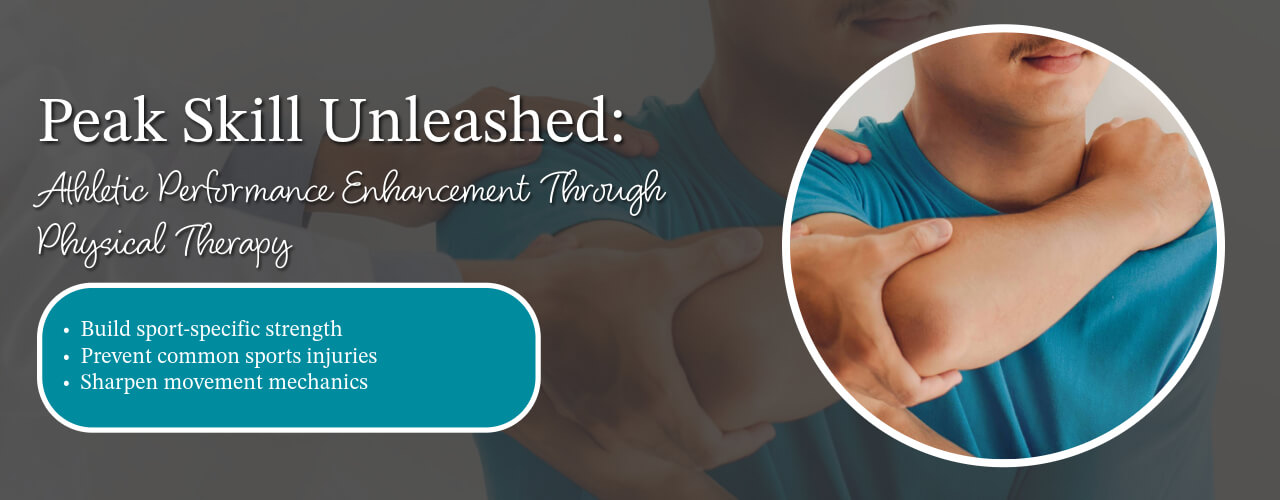
The good news is that our physical therapists assess how you run, jump, lift, and pivot to identify inefficiencies or muscle imbalances that can impact your performance or lead to injury. We’ll then develop a personalized program based on your sport and skill level, pulling from a range of different techniques:
- Functional movement screening to spot weak links in your kinetic chain
- Strength training to build power in areas specific to your sport
- Mobility work to improve range of motion and reduce joint stress
- Neuromuscular re-education to sharpen reaction time and coordination
Can Physical Therapy Help Prevent Sports Injuries?
Yes! In fact, injury prevention is one of the most significant benefits of proactive PT, which is why physical therapy can be crucial to consistent training. Small issues, like tight hips or poor posture, can eventually lead to strains, sprains, or worse. Our physical therapists help athletes correct these issues before they turn into setbacks.
Some of the preventive strategies we might suggest include:
- Identifying and addressing poor movement patterns
- Developing stability in vulnerable joints (like shoulders, knees, and ankles)
- Teaching proper warm-up and cool-down techniques
- Structuring sport-specific prehab routines
These methods reduce the risk of injury while supporting athletic performance enhancement through consistent, uninterrupted training.
What Kinds of Athletes Can Benefit from PT?
Whether you’re a high school soccer player, a weekend warrior, or a seasoned triathlete, targeted physical therapy can benefit you. This is largely because we tailor your program to your sport, goals, and body type.
Specifically, physical therapy is ideal for athletes who:
- Are recovering from a sports injury
- Want to improve performance in a specific area (speed, agility, power)
- Struggle with recurring aches or mobility issues
- Need expert guidance for safe strength training
- Feel “stuck” in their performance gains
How Is Physical Therapy Different from Personal Training?
Many athletes will seek help from a personal trainer rather than a physical therapist to improve their athletic performance. While personal training can help you achieve fitness goals, physical therapy digs deeper into biomechanics, tissue health, and injury history. It’s especially valuable when athletes are dealing with lingering pain or want to prevent a relapse.
The good news is that, at The Fitness Lab, you don’t have to choose between physical therapy and personal training. Here, PTs and trainers work together to create seamless programs that support athletic goals while keeping the body healthy and resilient.
What Does a Typical Athletic Performance PT Program Include?
Our athletic performance programs are built around your sport and your needs. After a thorough evaluation, your PT will create a plan to improve weak spots and maximize strengths. This program might include:
- Dynamic mobility drills
- Core and lower-body strength training
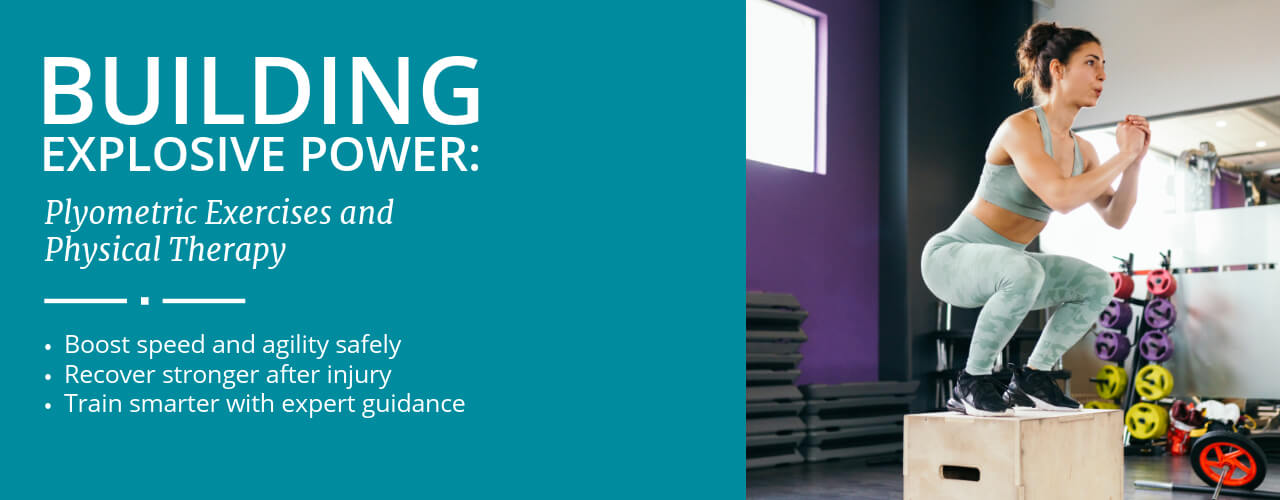
- Plyometrics for explosive power
- Gait or running mechanics analysis
- Manual therapy for tight or overused tissues
Ready to Unlock Your Peak Performance?
If you’re looking for a smarter way to train, recover, and perform at your best, physical therapy could be the game-changer you need. The team at The Fitness Lab specializes in helping athletes reach new levels through science-based strategies that actually work.
Contact one of our Highlands Ranch, CO, Parker, CO, and Greenwood Village, CO clinics today to schedule a performance consultation and start reaching your goals—faster, safer, and stronger.