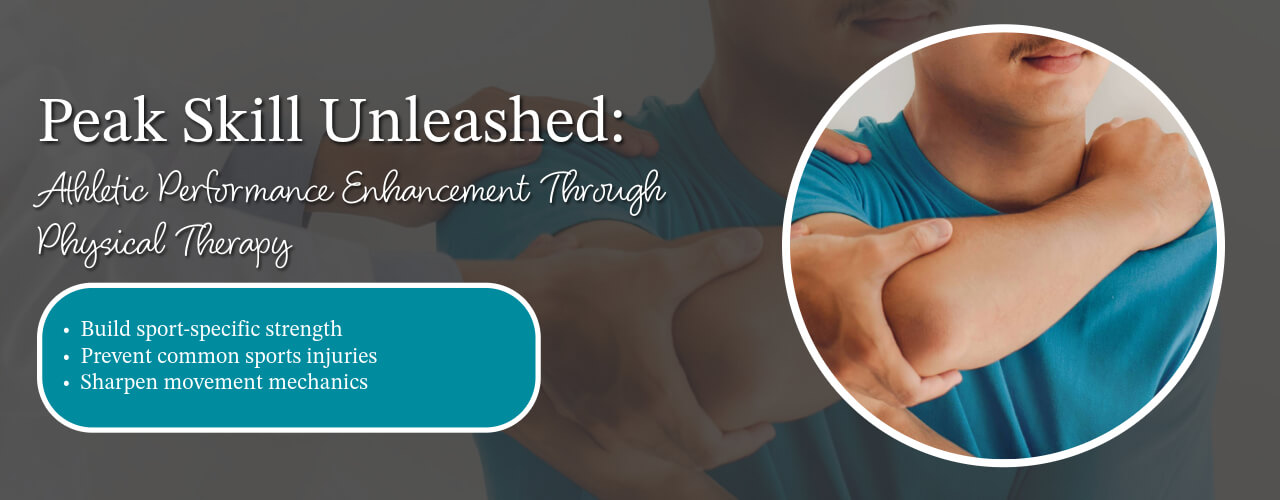

Mobility is one of the most overlooked components of athletic performance. Whether you’re a runner, lifter, or team sport athlete, optimal joint mobility helps you move efficiently, generate power, and avoid injury. At The Fitness Lab, our physical therapists work with athletes at every level to improve mobility for athletes, ensuring they maintain peak function through a combination of targeted treatment, movement analysis, and individualized plans.
Improving mobility takes more than just stretching. It requires an understanding of movement quality, control, and strength across joints. Below is a practical checklist of physical therapy techniques and strategies that help athletes move better and stay healthy.
Checklist: 10 Physical Therapy Strategies to Improve Mobility for Athletes
1. Perform Movement Assessments Regularly
Mobility issues often go unnoticed until they cause pain or affect performance. Physical therapists can assess how each joint moves and identify limitations in hip, shoulder, ankle, or spine mobility. Schedule periodic check-ins to catch tightness or restrictions early.
2. Incorporate Dynamic Warmups Before Training
Static stretching before workouts can reduce power output. Instead, use dynamic mobility drills that mimic sport-specific movement patterns. Controlled leg swings, hip circles, and thoracic rotations help prepare joints for full-range movement and reduce stiffness.
3. Address Joint-Specific Restrictions
Mobility for athletes must be joint-specific. Tight hips affect squat depth. Limited shoulder rotation can alter throwing mechanics. Your physical therapist can target specific joint capsules and soft tissue areas using manual therapy or guided mobility drills tailored to your sport.
4. Strengthen Through Full Range of Motion
True mobility includes both flexibility and strength. Training muscles to control motion across the entire joint range ensures your body can use that mobility under load. Deep squats, full arm circles with resistance, and eccentric control exercises can support this goal.
5. Integrate Soft Tissue Techniques
Foam rolling, instrument-assisted soft tissue mobilization or therapist-guided myofascial work can reduce restrictions that limit joint mobility. These techniques help loosen tight muscles and restore optimal tissue glide, especially after intense training sessions.
6. Use Active Mobility Rather Than Passive Stretching Alone
Passive stretching might temporarily lengthen tissue, but it doesn’t always translate to better movement. Focus on active mobility, where muscles create and control motion, such as controlled articular rotations (CARs) or bodyweight drills that require precision.
7. Improve Core Control for Better Joint Alignment
Poor trunk control can affect joint positioning and limit mobility. For example, if your pelvis tilts excessively, it can restrict hip motion or overload the knees. Core activation exercises can help stabilize the spine and support fluid, efficient movement patterns.
8. Prioritize Recovery and Tissue Hydration
Fascia and connective tissues need hydration and proper recovery time to stay elastic. Make sure you’re staying well hydrated, getting quality sleep, and balancing your training load with active recovery days. These habits support long-term mobility gains.
9. Reinforce Mobility Gains with Consistency
Mobility for athletes improves over time, not overnight. A few drills won’t undo months of restriction. Work with your physical therapist to develop a simple, consistent routine that reinforces progress. Just 10 minutes a day can make a big difference.
10. Avoid Overtraining Compensatory Patterns
When mobility is limited, athletes often find ways to compensate such as arching the back to make up for shoulder stiffness. These compensations increase injury risk. Your physical therapist can help you correct movement mechanics to use the proper form without shortcuts.
Why Prioritizing Mobility for Athletes Supports Long-Term Success
Athletes who focus solely on strength or endurance often overlook the role mobility plays in performance. Limited joint motion leads to altered mechanics, early fatigue, and a higher chance of overuse injuries. Prioritizing mobility for athletes helps prevent breakdowns and supports faster, smoother movement across all training demands.
Physical therapy offers athletes a way to train smarter. At The Fitness Lab, we help identify the root of mobility limitations and provide evidence-based interventions to address them. Whether you’re looking to improve your squat depth, your running stride, or your shoulder mechanics, we guide you through a plan that fits your sport and your body.
Need Help with Your Mobility Goals?
If you’re an athlete feeling limited by tightness, reduced range of motion, or movement inefficiency, you don’t have to push through it. A customized plan from The Fitness Lab can restore your mobility and elevate your performance.
Contact one of our Colorado physical therapy clinics located in Highlands Ranch, CO, Greenwood Village, CO, Parker, CO, or Denver, CO today to schedule an assessment and start building a stronger, more mobile foundation for everything you do.