
Recovering from a sports-related concussion with physical therapy
Are you currently a practicing athlete? Have you recently been diagnosed with a concussion? If so, chances are you’ve been experiencing uncomfortable symptoms that are starting to interfere with your daily life. And while concussions can take you out of the game fast, there’s a quicker way to recover! At The Fitness LAB, our licensed physical therapists treat post-concussion pain and restore healthy functions so you can safely return to athletics.
Contact one of our Colorado physical therapy clinics located in Highlands Ranch, Greenwood Village, Parker, or Rino.
Physical therapy helps patients reduce pain, improve functions, and overcome concussion symptoms without harsh medications or uncomfortable procedures. Instead, PT focuses on strengthening exercises.
What is a concussion, and how can physical therapy help?
A concussion is a minor traumatic brain injury that several sports accidents can cause, such as a helmet-to-helmet hit or a direct fall on the head and neck. Millions of people experience a traumatic brain injury each year who don’t know that physical therapy is one of the most effective ways to recover.
Most athletes want to stay away from medications because of issues like dependency and potential side effects. Luckily, PTs don’t focus on the use of drugs. Rather, we address your condition and treat symptoms directly with a series of effective healing methods. In some cases, however, concussions should be seen by a doctor first to make sure no other serious injuries have occurred.
Concussions in the world of sports
Aside from falls, the leading cause of concussions is sports-related injuries. You are especially susceptible to concussions if you play a contact sport such as football or soccer. Typically, people will fully recover from a concussion, but recovery can be prolonged if instructions aren’t followed, or rehab is delayed. Other causes of concussions include work accidents, playground injuries, and vehicle collisions.
Here are some examples of when a concussion would occur during sports:
- A gymnast falling on their neck and head after incorrect execution of a skill
- A head-on collision during a tackle in football
- A soccer player heading a ball incorrectly
- An accidental collision between two skiers
- A BMX biker landing on their head during an accident
Each of these events can easily cause a concussion, either mild, moderate, or severe.
Signs and Symptoms
Symptoms of a concussion can affect your mental, physical, and emotional health. While it may be tempting to return to sports as soon as possible, you must prioritize rest and nurture your recovery to avoid worsening your issue down the line.
You may notice concussion symptoms immediately after the event, while others will appear gradually. Symptoms of a concussion can include:
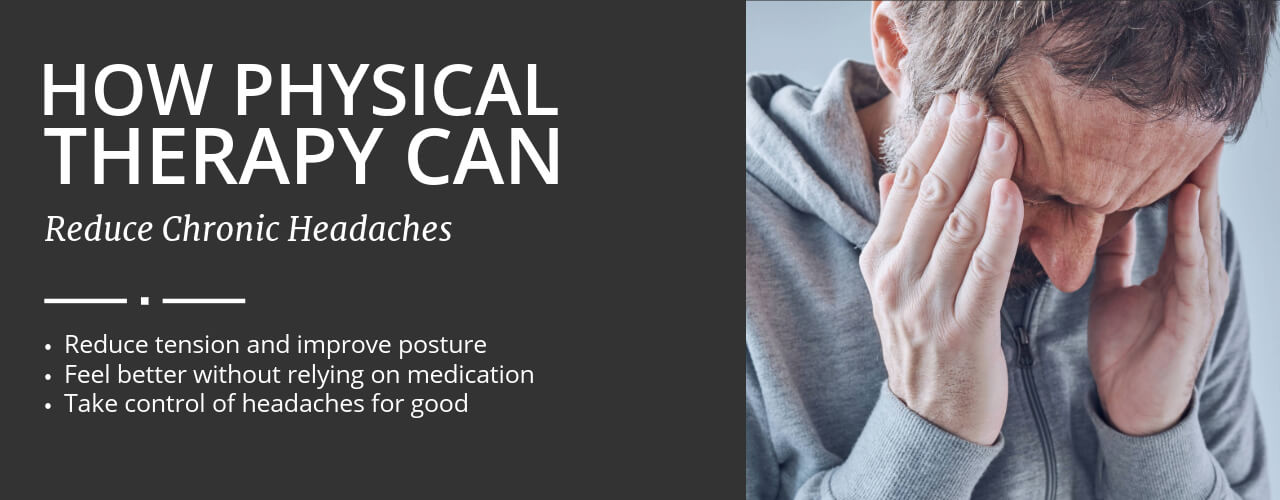
- Headache.
- Slurred speech
- Dizziness.
- Imbalance/coordination.
- Nausea/vomiting.
- Fatigue.
- Disrupted sleep patterns.
- Double or blurred vision.
- Sensitivity to light/sound
- Memory issues
- Confusion.
- Difficulty concentrating.
- Trouble in school.
Athletes who have suffered a concussion may also appear irritable, anxious, and stressed or display frequent mood swings and changes in behavior.
The majority of people with acute concussions should recover within a few weeks. However, in some cases, concussion symptoms can persist for weeks, months, or even years. Practitioners refer to this as post-concussion syndrome or PCS. PCS can be a frustrating issue that leaves patients desperate for a solution.
Thankfully, physical therapy can help you heal whether you have PCS or mild symptoms from a recent brain injury. The important thing is that concussions should be addressed as soon as possible.
What to expect during treatment
Physical therapists will look at your cardiovascular, neurological, and orthopedic systems to assess the root cause of your pain and design an appropriate treatment plan. Initially, you will start treatment with a comprehensive assessment in which your PT will analyze the event of your injury and other important medical details. Then, you will be provided with a rehabilitation plan that is tailored to your needs and recovery goals.
For post-concussion recovery, commonly practiced strategies include manual (hands-on therapy), therapeutic massage, strengthening exercises, vision therapy, cognitive therapy, and more. As your recovery progresses, you may participate in light cardio exercises such as walking or jogging on a treadmill, which will help ease your way back into athletics.
Get started at The Fitness LAB today.
We know that waiting isn’t easy, which is why our experienced physiotherapists at The Fitness LAB are eager to help you heal as quickly, safely, and efficiently as possible.
If you or anyone you know has recently suffered from a concussion, call our clinic today!