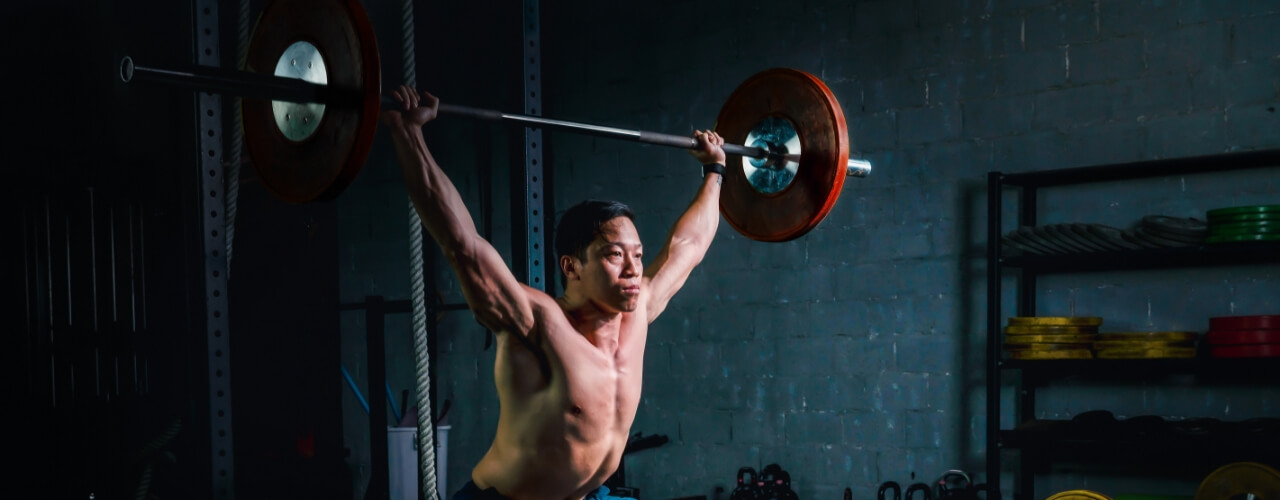

Squats are a common way to tone the legs and glutes while simultaneously toning the arms with added weights. There are some common rumors that float around about squats – “they’re bad for the knees,” “doing too many will create too much bulk,” “the weights are hard on the wrists,” etc. However, it is time we put these rumors to rest.
When performed correctly, squats are completely safe and they can provide some of the best physical results. Squats are a great exercise for building core and lower body strength, improving speed, and even supporting improved dexterity, making it possible to jump higher, faster, and farther than before.
If your form is incorrect, squats can certainly take a toll on your body, much like any other exercise. Consulting with a physical therapist can help you learn the proper form and technique for performing squats correctly. Front squats and back squats both have their own pros and cons, and it is important to know the difference between the two so you can learn how to do both of them the right way.
How can I improve my form?
Having proper technique while doing a squat is extremely important, especially if you are holding extra weight. A physical therapist can help you improve your form and technique in order to achieve optimum results and prevent the risk of injury.
Physical therapy treatments can also provide additional tips and techniques for building muscle strength and increasing your range of motion.
What’s the difference between front and back squats?
The first step to doing a proper front squat is placing the barbell across the front of your shoulders, just below your neck. Make sure your fingertips are underneath the barbell, just outside your shoulder width. Your elbows should form a sharp point. Keeping your chest up and your core tight, begin to lower yourself toward the floor using your hips and knees. Keep lowering yourself until your thighs are parallel to the ground, then hold the position for a few seconds. Slowly bring yourself back up to a standing position using your hips and knees once again.
The fundamentals of a back squat are the same as a front squat. You move your body in the same motion for both, bending at your hips and knees until your thighs are parallel with the ground, and then slowly returning to a standing position. The biggest difference between a front squat and a back squat is the way in which you hold the barbell.
While a front squat requires holding the barbell in front of your shoulders, a back squat requires holding the barbell OVER your shoulders, just behind your neck. One of the most imperative parts of a back squat is making sure the weight is not resting on your neck at all, as that can lead to neck pain or injury. Instead, make sure the barbell is being held on your shoulders and that you keep your chest up so your neck doesn’t hunch forward during the squat. Attempting to lift too much weight and accidentally relying on your neck instead of your shoulders could lead to severe injury.
Adding weight to your squats
Front and back squats can be done with or without weights added to the barbell. It is also possible to perform squats with hand weights or kettlebells if you desire to do so. If you decide to add more weight, ensure you are comfortable holding the additional weight on your shoulders before you squat.
If it feels too heavy on your shoulders beforehand, be sure to remove some, in order to avoid unnecessary injury. If you are just getting started, doing a squat without weight is a good way to become familiar with the movement and to prepare your muscles for the activity without adding too much intensity at once.
Contact us for more help!
If you are looking to improve your technique, or you’d like to learn more about adding squats to your exercise regimen, give The Fitness LAB a call today. We’ll create a personalized exercise plan for you to reach your goals and maintain your peak level of physical performance!