From weekend warriors to professional athletes, those of us concerned with maintaining a high level of fitness rely on a strong set of core muscles to stabilize the body and allow us to perform at our best. Athletes are attempting to improve their form in order to perform this critical activity more effectively. This means keeping the hips at or below knee level, minimizing forward lean, and keeping the thighs close to horizontal. What happens to the feet is debatable. Some people believe that your feet should be flat on the ground. Others believe the heel should be slightly raised. Those who believe in heel elevation frequently wear running or weightlifting shoes.
Continue reading to learn more about the significance of proper squat form and wearing appropriate footwear. Don’t forget that our clinic is here to help you in any way we can. If you’d like to learn more about staying safe during athletic activity, please contact one of our Colorado physical therapy clinics located in Highlands Ranch, Greenwood Village, Parker, or Rino.
How are weightlifting shoes and running shoes different?
Running shoes and weightlifting shoes are very different and provide varying degrees of support.
At first glance, weightlifting shoes appear to be the better option. Most weightlifting shoes provide lateral stability that running shoes do not due to a wider base and structural variations such as a less flexible midsole. Running shoes are also cushioned, absorbing energy as you exercise.
The weightlifter’s goal during the exercise is to redirect as much energy as possible vertically.
We believe that the shape, cushioning, and structure of weightlifting shoes differ from those of other types of footwear, resulting in a different outcome when wearing weightlifting shoes.
However, scientific studies can pinpoint the exact kinematic differences that will occur when wearing either type of shoe!
Why you should wear weightlifting shoes while squatting
For weekend athletes and non-professionals doing squats, the benefits of weightlifting shoes may be negligible. To focus on good form, it may even be preferable for the novice to wear shoes with a lower heel lift. Weightlifting shoes can assist strength athletes and powerlifters in maintaining form while heavy lifting or competing.
Squats should be performed with proper form to avoid injury. According to the study findings, weightlifting shoes promote better form, which should help avoid injury. This aspect of wearing weightlifting shoes while performing squats can benefit athletes of all levels of experience.
The importance of maintaining proper form during squats
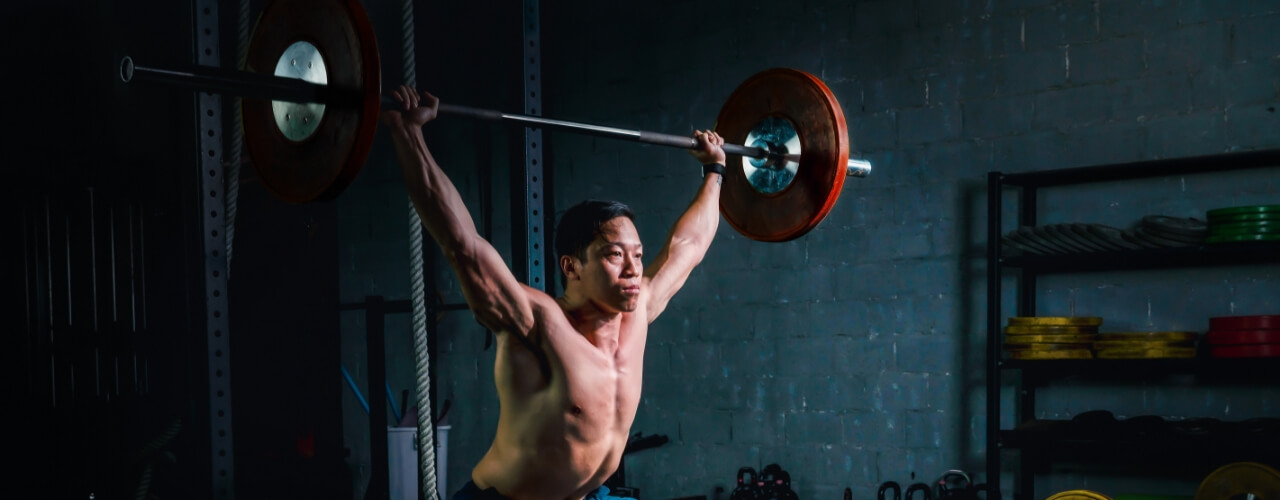
The first step in performing a perfect front squat is to place the barbell across the front of your shoulders, just below your neck. Check that your fingertips are just outside your shoulder width and beneath the barbell. Your elbows should have a sharp point.
Begin by lowering yourself to the floor on your hips and knees while keeping your chest up and your core firm. Continue moving down until your thighs are parallel to the ground, and then hold for a few seconds. Return to a standing position by gradually raising your hips and knees.
The fundamentals of a back squat are the same as a front squat. You move your body in the same motion for both, bending at your hips and knees until your thighs are parallel with the ground and then slowly returning to a standing position. The most significant difference between a front squat and a back squat is how you hold the barbell.
While a front squat requires holding the barbell in front of your shoulders, a back squat requires holding the barbell OVER your shoulders, just behind your neck. One of the most imperative parts of a back squat is making sure the weight is not resting on your neck at all, as that can lead to neck pain or injury.
Instead, keep the barbell on your shoulders and your chest up to prevent your neck from hunching forward during the squat. Lifting too much weight and inadvertently relying on your neck instead of your shoulders could result in serious injury.
What are the benefits of the right weightlifting shoe?
A study conducted by three researchers at the University of Northern Colorado looked at the differences that occurred when fit, college-aged males performed squat repetitions at 60% of their maximum ability. Participants in the study alternated between running shoes and an unnamed brand of weightlifting shoes at random.
The range of motion (ROM), trunk displacement, and ankle flexion were all measured by the researchers.
Running shoes caused less trunk displacement than weightlifting shoes. This means that the athletes in the study leaned forward less during the exercise. They were successful in redirecting the energy upward. The researchers hypothesized that this was due to less strain on the lower back.
Peak ankle flexion was affected by the weightlifting shoes. This was to be expected given the raised heel position of weightlifting shoes. As a result, the study participants found it easier to maintain proper squat form during the exercise, with the thighs and hips closer to vertical and less forward lean. The knees moved more easily over the toes, reducing hip flexion and promoting better form and performance.
Participants in the study stated that they thought squats were easier to perform in weightlifting shoes than in running shoes. This could be due to less stress on the lower back or other factors, such as mental conditioning from being told you’re wearing shoes designed for weightlifting rather than running.
Ready to perfect your technique? Contact The Fitness Lab today!
Do you want to learn more about how to maximize your squats while minimizing your risk of injury? Do you want to know if you’re wearing the right shoes for your athletic activities? Don’t look any further, the help you need is right here.
Contact one of our Colorado physical therapy clinics located in Highlands Ranch, Greenwood Village, Parker, or Rino today if you have any questions or to schedule an appointment with one of our movement specialists to improve your lifting technique!